
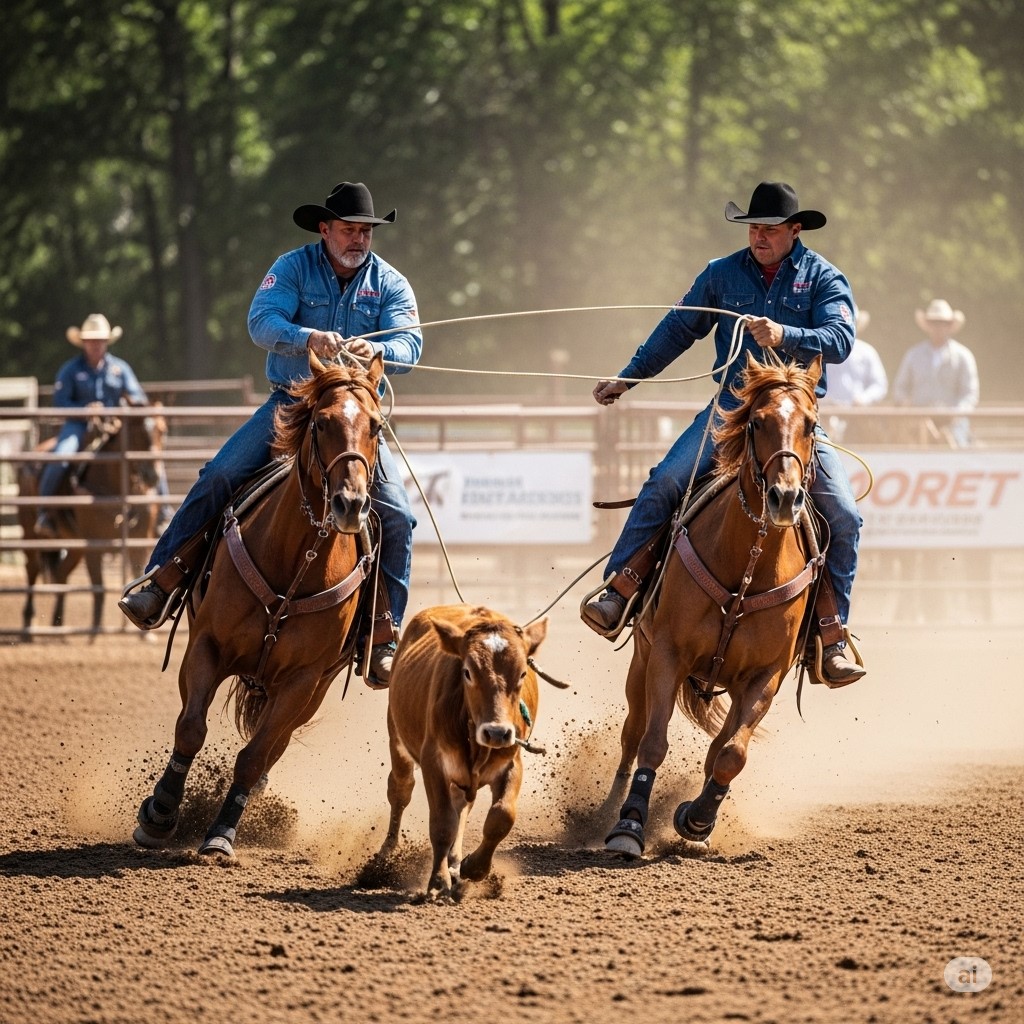
The Timeless Tradition of Team Roping: A Deep Dive into the Sport
Team Roping, a thrilling rodeo sport rooted in ranch life, combines precision, speed, and teamwork. Originating from practical cattle-handling methods, Team Roping showcases the cowboy’s enduring legacy. Today, it thrives both professionally and recreationally. The sport continues to grow in popularity across the globe. From dusty arenas in Texas to youth rodeos in Australia, Team Roping unites people of all ages. This blog post explores the fascinating history, global appeal, rules, leagues, and social impact of Team Roping.
Origins and History of Team Roping
Team Roping dates back to the early days of cattle ranching in the American West. Cowboys worked together to brand, treat, or doctor cattle. One would rope the head, the other the heels. This partnership allowed quick and safe immobilization of animals. Over time, this necessity turned into a competitive skill.
By the late 1800s, ranch hands began to test their roping abilities at local gatherings. These informal contests evolved into organized rodeos. As rodeos grew in popularity, Team Roping became a staple event. The event mirrored the teamwork required on ranches, making it both authentic and entertaining.
In the 20th century, rodeo associations began forming. These groups helped create uniform rules and promote the sport. The Professional Rodeo Cowboys Association (PRCA), established in 1936, standardized events including Team Roping. Since then, it has remained a featured event in nearly every major rodeo.
Global Popularity and Participation
While Team Roping has deep roots in the United States, its influence has spread globally. Canada boasts a strong rodeo culture, especially in provinces like Alberta and British Columbia. Mexican charreadas, similar to rodeos, also include events resembling Team Roping.
In South America, countries like Brazil and Argentina have seen a surge in interest. Their own cattle traditions make Team Roping a natural fit. Australia’s outback culture mirrors the American West, and rodeo is quite popular there as well.
Europe has smaller pockets of enthusiasts. Germany, France, and Italy host rodeos and clinics. These events attract riders eager to learn Western-style horsemanship. While not as widespread as soccer or basketball, the sport continues to grow steadily.
Social media and streaming services have played a key role in its expansion. Fans worldwide can now watch events like the National Finals Rodeo or the World Series of Team Roping. This visibility helps draw interest from new countries each year.
Amateur and Youth Team Roping
At the grassroots level, Team Roping has a strong following. Local arenas, county fairs, and regional circuits offer opportunities for amateurs to compete. These events welcome riders of all ages and skill levels. They provide a foundation for the sport’s future.
Youth involvement is particularly strong. Programs like the National High School Rodeo Association (NHSRA) offer students a chance to compete at a young age. These events teach discipline, responsibility, and sportsmanship. Many top professionals began in these programs.
Schools and universities also support Team Roping through rodeo clubs and competitions. The National Intercollegiate Rodeo Association (NIRA) promotes college-level competition across the United States. Young ropers can balance academics with high-level sport.
Outside the U.S., similar programs exist. In Australia, youth rodeo leagues foster talent. Canadian 4-H clubs offer horsemanship education, including roping skills. Even in smaller markets, young riders find ways to get involved.
Professional Leagues and Organizations
Professional Team Roping enjoys significant organizational support. The PRCA remains the most recognized sanctioning body in North America. Each year, the top 15 teams compete in the National Finals Rodeo (NFR) in Las Vegas. This event draws thousands of fans and millions of viewers.
Another major league is the World Series of Team Roping (WSTR). It began in 2006 and now hosts the richest roping event in the world. Unlike the PRCA, which focuses on elite athletes, the WSTR is open to a wider range of skill levels. Amateurs and semi-pros can qualify for high-stakes competition.
USTRC (United States Team Roping Championships) also plays a big role. Founded in 1990, it offers a structured system for ropers across the country. It includes a rating system, which helps ensure fair competition.
Internationally, similar organizations are growing. In Brazil, the Liga Nacional de Rodeio promotes events and athlete development. Australia’s National Rodeo Association governs many roping competitions. While still developing, these leagues provide important platforms for international talent.
Rules and Structure of the Sport
Team Roping involves two riders: the header and the heeler. Their goal is to rope a steer as quickly and cleanly as possible. The header ropes the front of the steer, usually around the horns. The heeler ropes both hind legs. If only one leg is caught, a time penalty applies.
A typical run starts when the steer is released from a chute. The header leaves the box, ropes the head, and turns the steer to the left. This maneuver sets up the heeler’s shot. Once both ropes are tight and the horses face each other, time stops.
Runs are timed to the hundredth of a second. Fast times win, but penalties can alter the results. A five-second penalty applies for catching only one hind leg. A ten-second penalty may apply for breaking the barrier too early.
Ropers are classified by skill level. Ratings help pair evenly matched teams. This system maintains competitive balance, especially in amateur and semi-pro events.
Horse quality is also crucial. Horses must be quick, agile, and responsive. Many professionals invest heavily in training and breeding top-tier horses. Good horsemanship is often the difference between winning and losing.
Political and Social Significance
Team Roping holds cultural and social value beyond the arena. It celebrates the traditions of rural life and cowboy heritage. Many rural communities identify closely with rodeo and ranch culture. These events often serve as annual highlights for small towns.
Politically, the sport connects to issues like land use, animal welfare, and agricultural policy. Rodeo associations work closely with lawmakers to preserve access to public lands and protect livestock practices. Advocacy groups defend the sport from criticism by emphasizing safety and tradition.
Socially, Team Roping fosters community and family bonds. Events often resemble reunions, bringing together generations of participants. Youth programs create strong mentorship networks. The sport teaches responsibility, perseverance, and respect for animals.
In many ways, it also provides an alternative to urban sports culture. Rural youth may lack access to football or basketball teams. Roping offers them a competitive and rewarding outlet.
The economic impact should not be overlooked. Rodeo events boost local economies through tourism, hospitality, and retail. Towns hosting major competitions benefit from increased visibility and revenue.
The Spirit of Team Roping
The appeal of Team Roping lies in its balance of skill, speed, and cooperation. Unlike solo events, it requires trust between partners. That dynamic creates a deeper sense of teamwork and camaraderie.
Participants develop a strong bond with their horses as well. Training and caring for these animals is a full-time responsibility. Riders often describe their horses as true teammates.
Fans appreciate the sport’s authenticity. There’s little pretense in a Team Roping arena. What you see is genuine athleticism and grit. That honesty makes the sport accessible and relatable.
It also maintains a connection to the past. While other sports evolve rapidly, Team Roping stays true to its roots. That consistency appeals to both traditionalists and newcomers alike.
The Road Ahead for Team Roping
As Team Roping expands internationally, more people are discovering its appeal. Clinics and training programs continue to grow. Riders from non-traditional backgrounds are entering the sport.
Technology will play a larger role. Training tools, video analysis, and virtual coaching are becoming more common. These resources make it easier for beginners to learn and improve.
Inclusivity is another focus. Female ropers now compete at the highest levels. Events like the Women’s Professional Rodeo Association (WPRA) are gaining attention. The sport is becoming more diverse and representative.
Sponsorships and media deals are on the rise. Major brands see value in aligning with the sport’s rugged image. This support helps grow prize money and event quality.
Environmental sustainability is also gaining attention. Responsible land use and animal care are key topics. Rodeo associations are working to promote eco-friendly practices.
Conclusion
Team Roping, with its rich history and vibrant community, remains one of the most captivating rodeo events. It continues to evolve while honoring its roots. The sport’s global rise, youth participation, professional structure, and cultural impact make it truly unique.
As more people discover Team Roping, its legacy only grows stronger. Whether you’re a seasoned rider or a curious fan, there’s something deeply rewarding about this timeless tradition.