
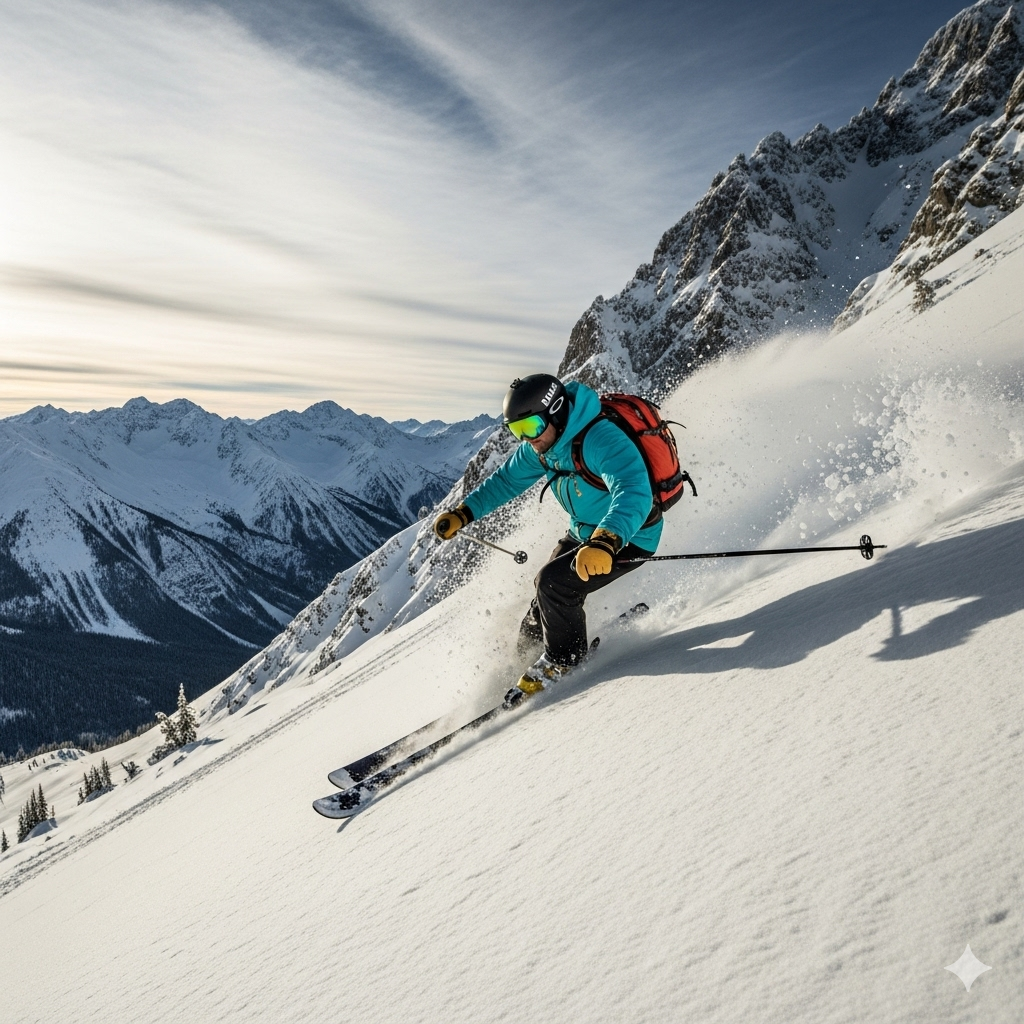
Telemark Skiing: History, Growth, and Global Impact
Telemark Skiing is one of the most fascinating winter sports in the world. It blends grace, endurance, and tradition. This style of skiing stands apart because of its unique turning technique, which requires strength and balance. Telemark Skiing attracts both amateurs and professionals, and it continues to grow worldwide. In this article, we will explore its origin, history, global popularity, amateur involvement, professional leagues, social significance, and rules in detail.
The Origin and History of Telemark Skiing
The roots of Telemark Skiing reach back to the 19th century in Norway. The sport was born in the Telemark region, a mountainous area known for snow-covered winters. Local farmers and hunters needed a way to travel quickly through snow. Traditional skis were long and difficult to control. Skiers wanted more maneuverability in deep powder and steep slopes.
Sondre Norheim, often called the father of modern skiing, changed everything in the 1860s. He designed a binding that secured the heel yet allowed flexibility. His innovation let skiers bend their knees deeply and make fluid turns. This new style, named after his home region, became known as Telemark Skiing.
Word of the technique spread quickly across Norway. Ski competitions began featuring the Telemark turn, and crowds loved the flowing style. Unlike rigid downhill skiing, Telemark created elegance on the slopes. By the late 19th century, international visitors to Norway noticed the technique. Soon after, it spread across Europe.
During the early 20th century, alpine skiing became dominant in many resorts. Telemark Skiing nearly faded away as technology favored locked-heel bindings. However, a revival occurred in the 1970s. Ski enthusiasts in North America and Europe rediscovered the beauty of the free-heel turn. They appreciated the challenge and artistry of the style. Since then, Telemark Skiing has become a permanent branch of winter sports.
The Popularity of Telemark Skiing Around the Globe
Today, Telemark Skiing is practiced on nearly every continent. Europe remains its strongest base. Norway, France, Germany, and Switzerland all have large Telemark communities. Resorts in these countries regularly host Telemark-specific events.
In North America, the United States and Canada have vibrant scenes. Enthusiasts in Colorado, Utah, and Vermont promote Telemark culture. Ski festivals often include competitions and workshops for beginners. Canadian resorts in British Columbia and Alberta also support thriving Telemark groups.
Asia has seen growth as well. Japan’s Hokkaido region features deep powder and attracts Telemark skiers. In recent years, China has introduced the style at winter sports academies. With its booming ski industry, the potential for growth in Asia is immense.
South America offers opportunities in the Andes. Resorts in Chile and Argentina have Telemark clubs that welcome international visitors. Even Australia and New Zealand include Telemark sections in ski resorts during their winter months.
This global spread shows the sport’s resilience. Despite competing with alpine and freestyle skiing, Telemark continues to thrive. Its combination of tradition and athleticism keeps it alive in modern snow culture.
Amateur Telemark Skiing: Youth and School Involvement
Amateur participation forms the foundation of Telemark Skiing. Young skiers often encounter it through schools and clubs. In Norway, Telemark programs are part of winter physical education. Children learn balance, endurance, and coordination through free-heel skiing.
In the United States, youth programs are growing. Local ski schools now offer Telemark lessons alongside alpine and snowboard training. Many parents choose Telemark for its focus on technique. It develops strong lower-body muscles and teaches patience.
Europe has dedicated youth leagues. France runs several regional competitions for young Telemark athletes. These events help prepare skiers for future international competition. Germany and Switzerland also encourage Telemark in schools with snowy regions.
Universities play an important role. In North America, college ski clubs often introduce students to Telemark. Affordable rental gear and beginner workshops lower barriers. These initiatives keep the sport accessible to younger generations.
Community events also strengthen amateur involvement. Festivals celebrate Telemark culture with races, workshops, and music. These gatherings encourage newcomers to try the sport in a welcoming environment.
Professional Leagues and International Competitions
Telemark Skiing has a structured professional scene with international recognition. The International Ski Federation (FIS) oversees official competitions. World Cup events feature athletes from across Europe, North America, and Asia.
Professional races combine speed, endurance, and technical skills. A typical course includes giant slalom gates, jumps, and skating sections. Athletes must complete each element using the Telemark turn. Judges watch closely for proper form.
The FIS Telemark World Cup is the sport’s premier event. It includes multiple stops in countries like Norway, France, and Switzerland. The World Championships also draw elite athletes every two years.
National federations support professional leagues. Norway has its own series of competitions, as does France. The United States Telemark Ski Association promotes domestic events. These national bodies coordinate with FIS to train and prepare athletes.
Telemark has also been pushing for Olympic recognition. Advocates argue that the sport combines the best aspects of skiing. Though not yet included in the Winter Games, its global push continues. Olympic inclusion would be a breakthrough for Telemark Skiing.
Political and Social Significance of Telemark Skiing
Telemark Skiing holds deep cultural meaning in Norway. It represents independence, innovation, and a connection to nature. The sport honors rural traditions of survival and mobility. Norwegians take pride in its global influence.
Internationally, the sport has political value as well. Countries use winter sports to showcase national identity. By supporting Telemark athletes, nations promote cultural heritage and tourism. For example, France and Switzerland highlight Telemark festivals as part of alpine tourism campaigns.
Socially, the sport builds community. Telemark clubs foster strong friendships and cooperation. The shared challenge of mastering the turn brings people together. Events often blend sport with music, food, and cultural celebration.
Another significant element is inclusivity. Telemark Skiing welcomes diverse age groups and skill levels. Because the technique emphasizes style over speed, it attracts both recreational skiers and elite athletes. Its emphasis on balance makes it a lifelong activity.
Sustainability also ties into its significance. Telemark’s revival in the 1970s coincided with environmental awareness. Skiers valued the natural rhythm of the sport. They connected it with respect for mountains and winter landscapes. Many Telemark festivals today include eco-friendly practices.
Rules of Telemark Skiing
Telemark Skiing has precise rules, especially in professional competition. The cornerstone is the Telemark turn. Skiers must bend the inside knee while keeping the heel free. The trailing ski must be placed behind with noticeable separation. Judges penalize turns without proper form.
In slalom or giant slalom events, racers navigate gates using Telemark technique. Missing a gate results in time penalties. Precision and style are scored alongside speed.
Courses often include a jump. Athletes must land in Telemark position with one ski ahead. Failure to maintain form results in deductions. Distance of the jump also matters.
Another element is the skating section. Skiers push themselves across flat terrain using free-heel technique. Strength and endurance are tested here. Time penalties are applied if the section is not completed properly.
Races usually end with a sprint to the finish. Judges ensure that athletes maintain proper form until crossing the line. Final rankings combine time with penalties for technical errors.
Amateur rules are simpler. Recreational events emphasize learning and participation. Penalties are lighter, and beginners are encouraged to focus on balance. This flexibility keeps the sport fun for new skiers.
The Future of Telemark Skiing
Telemark Skiing faces challenges but also opportunities. Competing against more commercial winter sports is difficult. Equipment can be expensive, and the technique requires dedication. However, loyal communities keep the sport alive.
Technology is helping its growth. Lighter skis, stronger bindings, and better boots make Telemark more accessible. Social media spreads awareness, with videos showcasing elegant turns across powder fields.
Advocates continue to push for Olympic recognition. If achieved, the sport would gain global visibility. Sponsorships and funding would increase, attracting new generations of athletes.
Youth programs remain crucial. Schools, universities, and community clubs must continue to introduce children to the sport. With strong grassroots support, the professional level will grow naturally.
Most importantly, Telemark Skiing will endure because of its unique spirit. It combines freedom, tradition, and artistry. For skiers seeking more than speed, it offers a lifelong journey.
Conclusion
Telemark Skiing is more than a sport. It is a living tradition that began in Norway and spread across the world. From its roots in the 19th century to its modern professional leagues, it reflects resilience and innovation. Amateurs and professionals alike enjoy its challenges. Nations value its cultural and political impact. The rules emphasize both form and athletic skill.
As long as people seek connection with mountains and snow, Telemark Skiing will thrive. Its legacy of elegance and endurance ensures a bright future. The free heel and graceful turn remain symbols of human creativity on the slopes.v