
The Economics of Building a New Sports Stadium
The Economics of Building a New Sports Stadium
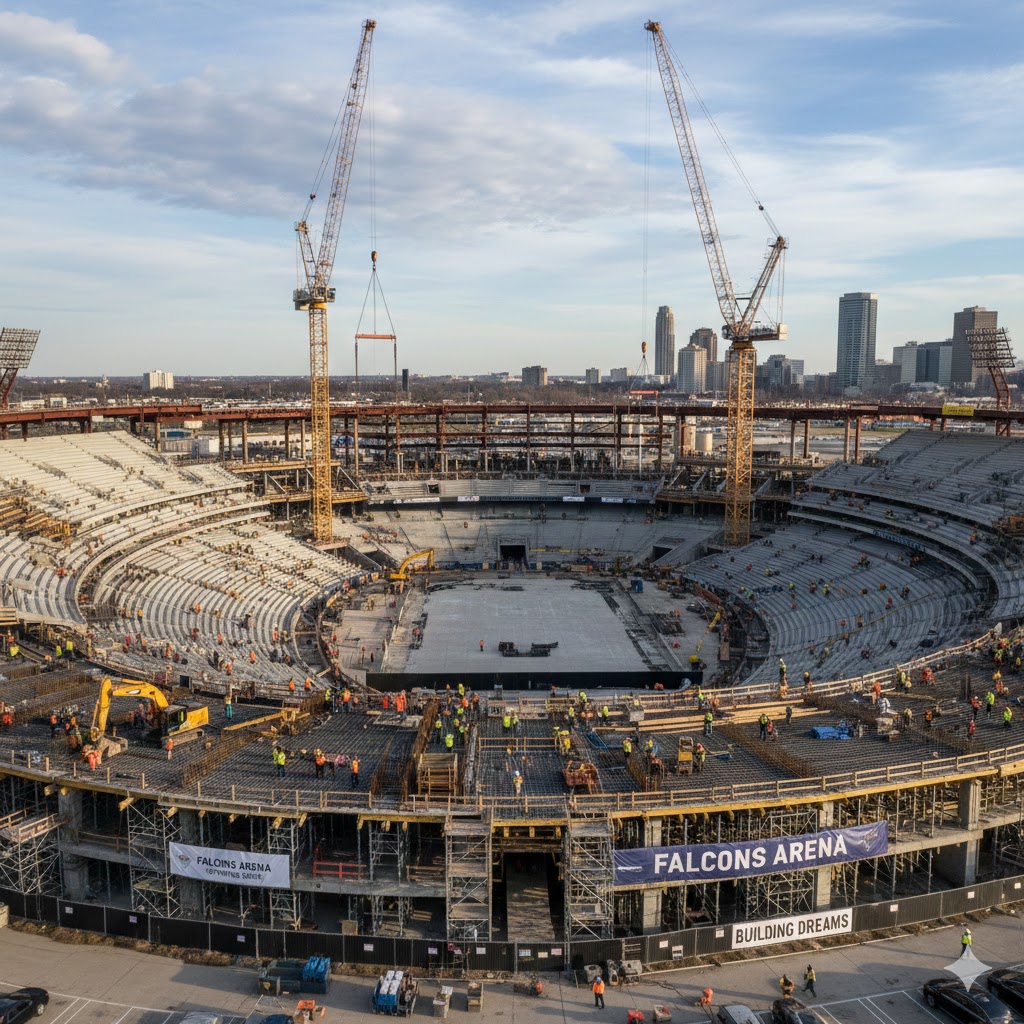
Building a new sports stadium is often framed as a bold statement of ambition. Cities advertise them as engines of economic growth. Teams promise enhanced revenue streams. Fans anticipate state-of-the-art experiences. However, I’ve learned through researching several stadium projects, the reality is far more complex. Stadium construction involves a delicate balance of financial risk, public interest, urban planning, and long-term strategy.
I’ve discovered stadiums that transform neighborhoods and others that struggle to justify the investment. Understanding the economics behind these massive projects is essential for anyone evaluating their true value.
Why Cities Build New Stadiums
Cities build new stadiums for multiple reasons:
- Job creation: Construction alone can employ thousands, often for years.
- Tourism and visitor spending: Stadiums attract national and international visitors, boosting hotels, restaurants, and local commerce.
- Team revenue growth: Modern facilities allow teams to increase ticket prices, sell premium suites, and expand merchandising opportunities.
- City branding and development: Stadiums are often centerpiece projects in urban revitalization, designed to signal progress and attract investment.
These motivations create tangible and intangible value, but they come with costs and trade-offs.
The Funding Challenge
Financing a stadium remains one of the most debated aspects of construction:
- Public funding: Cities may issue bonds or allocate taxpayer dollars. This creates risk, especially if projected revenues underperform.
- Private investment: Team ownership or private developers may contribute funds, sometimes in exchange for naming rights or revenue-sharing.
- Public-private partnerships: Combining resources can spread risk but requires careful negotiation to ensure fairness and accountability.
I’ve noticed that successful stadium projects often rely on a thoughtful combination of these sources, balancing taxpayer support with private incentives.
Major Risks of Stadium Projects
Stadium construction is not risk-free. Common challenges include:
- Cost overruns: Construction often exceeds initial budgets, sometimes by hundreds of millions.
- Attendance and revenue risk: Teams cannot guarantee sellouts or full utilization of premium seating.
- Poor ROI for cities: Taxpayer-funded portions may fail to generate the projected economic benefits.
- Community disruption: Stadiums can displace residents or contribute to gentrification, creating social costs.
Being aware of these risks is essential. They often determine whether a stadium becomes an asset or a financial burden.
Economic and Non-Financial Benefits
While risks are real, the upside can be substantial:
- Community pride: Modern stadiums provide a sense of identity and civic pride.
- Local business stimulation: Restaurants, bars, and retail benefit from game-day traffic.
- Sports tourism: Big events attract visitors who spend on lodging, dining, and entertainment.
- Urban revitalization: Stadiums can anchor redevelopment projects, creating long-term value in previously underutilized neighborhoods.
I’ve seen cities leverage stadium projects to revitalize areas and attract complementary investments, though results vary.
Revenue Streams That Make Stadiums Profitable
For teams, new stadiums generate multiple income channels:
- Premium seating and suites: Luxury boxes remain a major revenue driver.
- Ticketing flexibility: Dynamic pricing and season packages increase sales.
- Concessions and merchandise: Modern facilities boost per-capita spending.
- Sponsorships and naming rights: Partnerships generate substantial annual revenue.
Teams that maximize these streams often recoup construction costs faster and sustain long-term profitability.
Balancing Short-Term Gains with Long-Term Sustainability
I believe the best stadium projects are those that consider both immediate impact and enduring value. A few key principles include:
- Realistic projections: Avoid overly optimistic attendance or revenue forecasts.
- Multi-use facilities: Hosting concerts, events, and non-sporting activities maximizes utilization.
- Community integration: Parks, retail, and public spaces ensure the stadium benefits more than just fans.
- Adaptive planning: Designs that allow for renovation and technology upgrades maintain relevance.
Sustainable stadiums contribute economic, social, and cultural value for decades.
Lessons From Successful Stadiums
Some stadiums exceed expectations because they combine careful planning with strategic location and fan engagement:
- They leverage transportation infrastructure to improve access.
- They integrate mixed-use developments for year-round activity.
- Fan-first experiences are high priorities to ensure high attendance.
- They align team strategy with city objectives, creating mutual benefit.
Conversely, projects that ignore any of these elements often underperform financially and socially.
Final Thoughts
Building a new sports stadium is more than brick and steel. It is a complex economic venture that demands careful planning, balanced financing, and long-term vision. When executed correctly, a stadium can revitalize neighborhoods, boost team revenue, and energize a city. When mishandled, it can become a cautionary tale of overspending and unmet expectations.
From my perspective, success requires understanding both sides of the equation: the tangible financial returns and the intangible community and cultural value. Only by respecting that balance can a new stadium truly deliver the impact it promises.
The economics of building a stadium will always spark debate, but one thing is clear: the stakes are high, and the potential rewards — for cities, teams, and fans — can be enormous.