The State of the WNBA
The State of the WNBA is stronger than ever. The league is growing in popularity, performance, and influence thanks to players who are more skilled, athletic, and marketable than ever before. Yet challenges remain, including internal player bickering and questionable officiating that frustrate fans. Overall, it’s a story of progress, promise, and the occasional growing pain for a league still finding its full stride.
Rising Popularity and Growing Crowds
Every season, more fans are filling arenas, buying merchandise, and following their favorite WNBA teams. The 2025 season has been record-breaking in attendance and engagement. Over 2.5 million fans have attended games this year—the most in league history. That number represents a double-digit increase from last season, proving that interest in women’s basketball is booming.
Average attendance has climbed to 11,127 fans per game, up about 15 percent from 2024. The Golden State Valkyries, in their inaugural season, have shattered records by averaging more than 18,000 fans per home game. That’s comparable to many NBA teams. This momentum shows how a strong mix of talent, marketing, and fan enthusiasm can drive growth.
These attendance gains are not random. They’re the result of dedicated players, smart leadership, and creative marketing. Television coverage, streaming, and social-media buzz have combined to reach younger audiences. When fans see great basketball, they respond enthusiastically.
Better Players, Better Product
Today’s WNBA athletes are better than ever. Skill level, athleticism, and basketball IQ have all improved dramatically. Players train year-round, investing in strength, nutrition, and skill development. Many also play overseas in the offseason, which keeps them sharp and competitive.
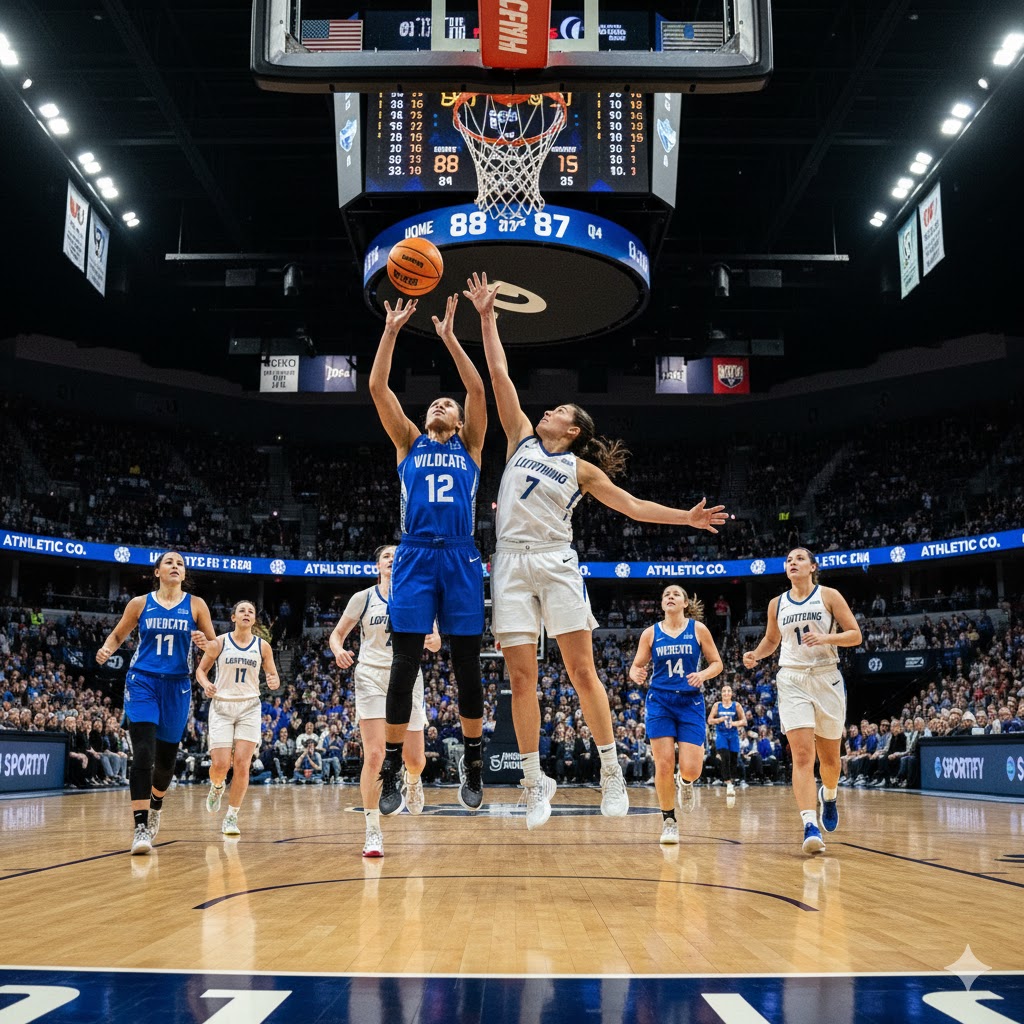
The results are obvious. Games are faster, more physical, and more entertaining. Players like A’ja Wilson, Caitlin Clark, Breanna Stewart, and Sabrina Ionescu have become household names. Their shot-making, leadership, and creativity rival anything seen in professional basketball.
That progress has improved the overall product. Every game feels meaningful. Rivalries are emerging naturally. Highlights trend daily on social media. For the first time, casual sports fans are watching the WNBA for the pure joy of the game, not just as a novelty.
Marketing and Fan Connection
The WNBA’s marketing strategy has also matured. Social media has become the league’s heartbeat. Players share authentic moments and engage with fans directly. That transparency builds loyalty and gives the league a unique identity.
Jersey and merchandise sales are soaring. Partnerships with major brands like Nike, Gatorade, and State Farm amplify visibility. Endorsements now help players build personal brands that cross over into pop culture.
Community engagement adds another layer. Players and teams host youth clinics, charity drives, and mentorship events. These initiatives give fans reasons to care beyond wins and losses. They also reinforce that this league represents something bigger—empowerment, representation, and resilience.
The Problem Beneath the Surface
Still, not everything is smooth within the WNBA. Internal bickering among players has become an unwelcome subplot this season. In my opinion, much of it stems from jealousy and frustration.
Superstars dominate headlines and endorsements, leaving others feeling overlooked. That dynamic exists in every professional league, but the public nature of the complaints in the WNBA is alarming. Some players take grievances to social media, where negativity spreads quickly.
This behavior damages the league’s reputation. Fans want unity, not division. The league and its players must recognize that infighting benefits no one. Media training and leadership initiatives could help players manage their frustrations more constructively.
Officiating Concerns
Another concern is the officiating, which has been, frankly, atrocious this year. Inconsistent foul calls, questionable technicals, and missed violations have drawn widespread criticism.
Officiating mistakes happen in every sport, but the frequency and impact in the WNBA have been extreme. When games are decided by whistles rather than play, credibility suffers. Players lose confidence in referees, and fans lose patience.
The league must demand accountability. Implementing a transparent review system, similar to the NBA’s, would be a strong start. Officials should be evaluated openly, with performance reports made public. That level of transparency would restore trust among fans and players alike.
Financial Health and Salaries
Financially, the WNBA is healthier than ever. Revenues, sponsorships, and TV rights are all trending upward. In 2025, player salaries range from about $66,000 for newcomers to roughly $250,000 for veterans and stars.
Each team operates under a $1.5 million salary cap, which ensures financial parity while promoting competitive balance. The rise in sponsorships from household brands has strengthened the league’s stability.
The new 11-year broadcast deal with Versant Sports and USA Network, beginning in 2026, will bring at least 50 nationally televised games per season. Combined with digital streaming on ESPN+ and Amazon Prime, this deal guarantees unprecedented visibility.
Streaming accessibility has been vital. Fans can now follow their favorite teams and players from anywhere, which modernizes the viewing experience and expands the fan base.
Expansion on the Horizon
With this strong foundation, expansion feels inevitable. The WNBA plans to grow to 18 teams by 2030, with confirmed additions in Cleveland, Detroit, and Philadelphia.
Expansion carries both opportunity and risk. It could stretch talent and finances, but the timing feels right. College and international basketball are producing more elite players than ever, providing enough depth to fill new rosters.
More teams also mean new markets, sponsors, and storylines. Fresh rivalries create excitement. New fan bases bring energy. If the league continues to manage its finances wisely, expansion could be the next major step toward sustained prominence.
The NBA Connection
The NBA’s relationship with the WNBA remains pivotal. The NBA owns about 50 percent of the league and still provides vital operational, marketing, and logistical support. This partnership has been essential since the WNBA’s founding in 1997.
Shared arenas, joint events, and cross-promotion campaigns have helped the WNBA gain visibility. NBA players frequently advocate for their WNBA counterparts, which raises awareness.
Still, independence must remain a goal. The WNBA should continue developing its own identity and revenue streams. The NBA’s support offers stability, but self-sufficiency will define the league’s long-term success.
Media, Image, and Perception
Media exposure plays a massive role in shaping perception. Broadcast quality, commentary, and storytelling have improved dramatically in recent years. Games now feel like top-tier productions. Presentation matters, and the WNBA finally looks and feels like a major league product.
Social media amplifies everything. Every dunk, buzzer-beater, or controversial call becomes instant content. Players like Caitlin Clark have made the WNBA trend daily, which fuels awareness but also scrutiny.
The league must control the narrative. It should celebrate accomplishments, not controversies. Players and officials alike need to recognize how public perception influences growth.
Leadership and Vision
Commissioner Cathy Engelbert has done an admirable job guiding the league through this transitional era. Under her leadership, the WNBA has achieved record revenues, expanded sponsorships, and improved travel conditions for players.
However, challenges remain. The officiating problem demands direct action. Communication between the commissioner’s office and players could also be stronger. Collaboration, transparency, and shared goals will drive further progress.
Long-term, leadership must keep the focus on the product. Fans come for basketball first. Everything else—endorsements, debates, and social issues—should enhance, not overshadow, the game.
Looking Forward
So where does this leave us? The WNBA is at a fascinating crossroads. The foundation is solid, but continued growth will depend on maintaining professionalism and fairness. If officiating improves and internal unity returns, the ceiling is unlimited.
Financial stability and media exposure have positioned the league for a breakout decade. Expansion markets, new stars, and global streaming opportunities will all help push the WNBA further into mainstream sports culture.
To reach its potential, the league must also think globally. International exhibitions and partnerships could open new doors. Basketball is universal, and the WNBA has the talent to capture audiences worldwide.
My Take
From my viewpoint, the league is producing its best basketball ever. The athletes are remarkable, the games are competitive, and the fan energy is electric. The growth is undeniable, and the product deserves the spotlight it’s getting.
But to sustain this rise, the WNBA must eliminate distractions. Player infighting and poor officiating tarnish what could be a golden era. The focus should always return to teamwork, competition, and sportsmanship.
If those priorities remain clear, the WNBA’s next decade could be historic. The foundation is strong, the fans are passionate, and the momentum is real.
Final Thoughts
The State of the WNBA today is one of both strength and opportunity. The league has proven that women’s professional basketball can thrive financially and culturally. Attendance, salaries, and sponsorships are all rising.
However, growth brings challenges. Leadership, officiating standards, and player harmony will decide how far this success goes. If the league can solve those internal issues, it will continue ascending as one of the most exciting properties in sports.
In my view, based on what I’ve watched, read, and heard, the WNBA stands on the brink of something special. It has earned respect, attention, and momentum—and now it must protect that progress through discipline and unity.
That’s my take on the current landscape, and in every measurable way, the state of the WNBA has never looked brighter.