
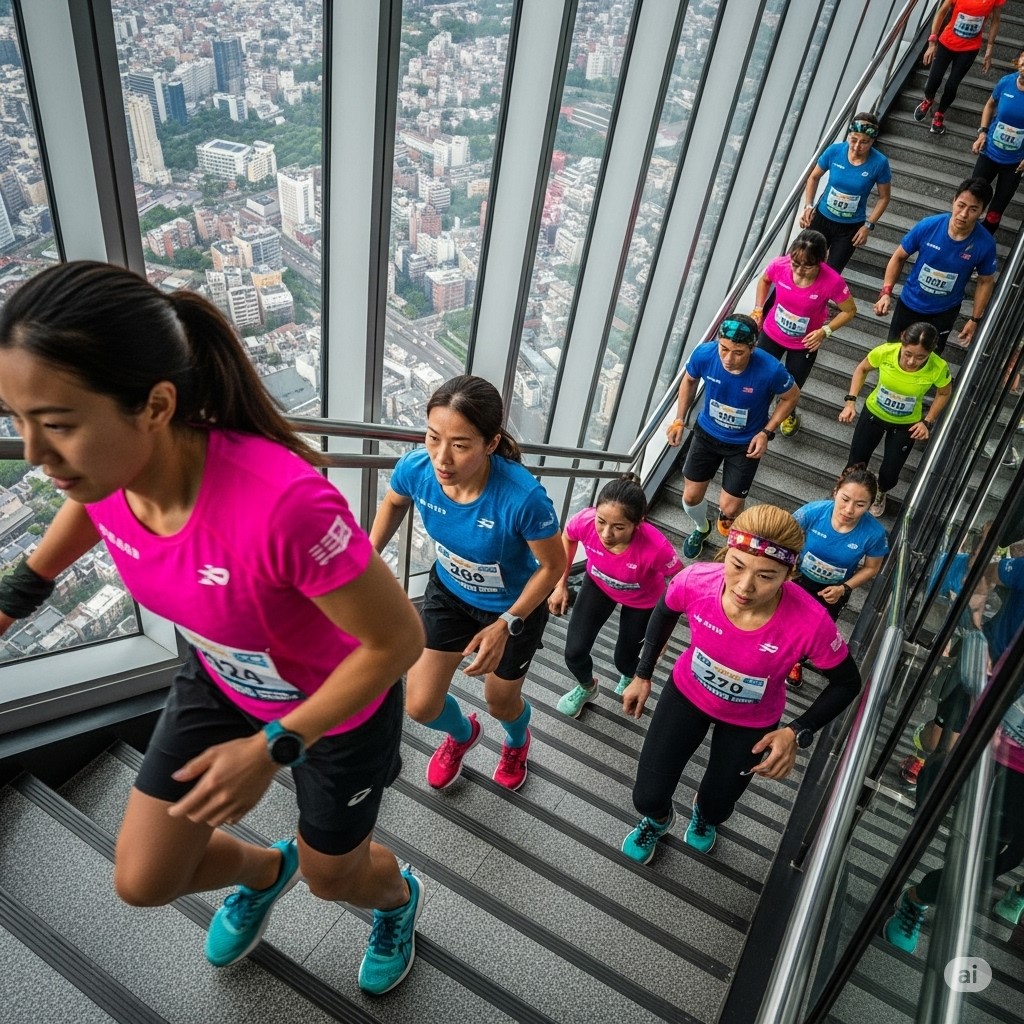
Tower Running: Racing to the Sky
Tower Running is a competitive sport that challenges athletes to race up the stairwells of the world’s tallest buildings. It combines extreme physical endurance with mental grit. Over the years, this vertical discipline has evolved from quirky novelty to global sporting phenomenon. With its unique blend of simplicity and intensity, Tower Running attracts elite athletes, amateurs, and fitness enthusiasts alike.
The Origins of Tower Running
Tower Running began in the early 20th century. The first recognized race took place at the Eiffel Tower in 1905. Participants sprinted up the iconic landmark’s 720 steps in a public event that drew thousands of spectators. The concept remained a curiosity for several decades.
During the 1970s, the sport experienced renewed interest. The Empire State Building Run-Up, launched in 1978, became a landmark event. This race reintroduced stair racing to a modern audience. Participants raced up 1,576 steps to the building’s 86th-floor observatory. The success of the event helped popularize the concept internationally.
Interest in vertical running gained momentum in the 1990s. Events spread across Europe and Asia. Races in Berlin, Milan, Taipei, and Kuala Lumpur showcased skyscraper stair racing to a global audience. Athletes began training specifically for the vertical challenge.
Global Popularity and Growth
Today, Tower Running enjoys international recognition. More than 300 races take place each year in over 40 countries. These include famous races in New York, Paris, Dubai, and Shanghai. The sport appeals to people of all ages and fitness levels.
Urban centers serve as ideal hosts. Skyscrapers are everywhere, offering natural venues. Major cities host competitive circuits. Local governments and corporate sponsors support events that promote health, tourism, and civic pride.
Social media has further boosted the sport’s appeal. Videos of stair races go viral. Highlight reels and athlete profiles attract new fans. Events are now live-streamed to global audiences. Viewers cheer as racers push past exhaustion to reach the summit.
Athletes from all backgrounds participate. Marathoners, triathletes, and cyclists often cross-train with stair racing. The sport requires leg power, cardio endurance, and mental toughness. Competitors must pace themselves smartly to avoid burnout.
Tower Running for Amateurs and Youth
Amateur Tower Running is thriving. Community events welcome beginners. Shorter races in office buildings or sports stadiums serve as introductions. Some include relay formats for teams.
Fitness centers host practice sessions. Stairwells provide an accessible and affordable training ground. Clubs offer training programs. Trainers teach pacing, technique, and breathing strategies. Enthusiasts share tips and race strategies online.
Youth participation is growing. Schools in urban areas have introduced stair racing as a fitness challenge. PE teachers incorporate stair drills into conditioning routines. Some host mini stair races in school buildings. These programs foster interest at a young age.
University clubs in Asia and Europe have emerged. College competitions serve as talent pools for the sport. Students bring creativity and energy to the events. Social media helps amplify their efforts.
Amateurs compete in city leagues. These events are often organized as charity fundraisers. Participants raise money while challenging themselves physically. The combination of fitness and philanthropy increases the sport’s appeal.
Professional Leagues and Organizations
At the professional level, Tower Running is governed by the Towerrunning World Association (TWA). Founded in 2009, the TWA oversees international rankings and standards. The association sanctions races and maintains a global calendar.
The Towerrunning Tour is the sport’s premier league. It features 25 to 30 top-tier races annually. Athletes earn points based on placement and race difficulty. Top performers qualify for the Towerrunning World Championships.
Several countries have national federations. Germany, Poland, and Italy lead in Europe. China and Japan dominate the Asian circuits. The United States hosts elite events in cities like Chicago, Las Vegas, and Miami.
Athletes travel the world to compete. Sponsorships cover travel and gear expenses. Some races offer prize money. Leading athletes train full time. They follow strict regimens involving stair intervals, resistance training, and cardio workouts.
Broadcast coverage has improved. Networks now feature races in sports highlight reels. Documentaries and interviews explore athletes’ lives. These stories help grow public interest and support.
Political and Social Impact
Tower Running carries social and political significance. The sport promotes urban fitness. City dwellers often lack access to natural trails. Stair running offers an alternative within the built environment.
Governments use events to encourage public health. Races coincide with wellness campaigns. Municipalities celebrate milestones by hosting races. Examples include national holidays or building anniversaries.
The sport also promotes environmental awareness. Many events support green initiatives. Organizers reduce carbon footprints. They limit plastic use, promote public transport, and plant trees.
Charities benefit significantly. Tower Running events raise funds for hospitals, education, and disaster relief. Participants often race in honor of loved ones. The emotional stakes boost participation and donations.
Diversity and inclusion are visible in the sport. Athletes of all backgrounds compete side by side. Events welcome people with disabilities. Adaptive races allow wheelchair users to join using ramps and lifts.
Women have strong representation. Many compete at the elite level. They hold records in iconic races. Gender parity in prize money is standard in most major events.
Tower Running symbolizes modern resilience. Climbing skyscrapers represents overcoming adversity. The sport resonates with global themes of grit, ambition, and upward mobility.
Rules and Race Format
Tower Running has a standardized format. Most races follow time trial or mass-start models. In time trials, athletes start at intervals. This format reduces congestion in narrow stairwells.
Mass-start races begin with all runners at once. These occur in wider staircases. Elite heats separate top competitors from the general field.
Participants must ascend without using elevators or escalators. Handrails may be used for balance. Pushing or obstructing other runners is prohibited. Violations result in disqualification.
Athletes wear lightweight clothing and running shoes. No special gear is required. Timing chips track results. Sensors at the bottom and top stairs ensure accuracy.
Water stations are rare due to space limits. Racers must manage hydration beforehand. Most events last between 5 to 20 minutes. Elite racers complete tall towers in under 10 minutes.
Warming up is essential. Athletes stretch and jog before ascending. Stairwell temperatures vary. Proper breathing technique helps avoid fatigue.
Spectators view from observation decks or live feeds. Some buildings install cameras in stairwells. Real-time tracking allows fans to follow racers virtually.
Training and Strategy
Training for Tower Running is specialized. Athletes focus on leg strength, aerobic fitness, and stair technique. Interval workouts are key. Repeated sprints up and down stairs build endurance.
Strength training complements stair work. Squats, lunges, and core exercises improve stability. Flexibility routines prevent injury.
Mental focus is vital. Racers visualize each floor. They break long climbs into smaller goals. Visualization helps maintain pace.
Nutrition and recovery matter. Balanced diets fuel performance. Runners hydrate well and avoid heavy meals before races. Sleep and rest aid muscle recovery.
Strategy plays a role. Runners choose a pace that avoids burnout. They use handrails on steep turns. Downhill segments are rare, but when present, they require careful footwork.
Each building presents unique challenges. Step height, lighting, and ventilation affect performance. Veterans study course layouts in advance.
The Future of Tower Running
The sport continues to grow. New cities add events yearly. Technology improves race management and fan engagement.
Virtual races emerged during the pandemic. Apps allowed people to simulate stair climbs at home. This innovation kept the community connected.
Esports and fitness apps now incorporate stair challenges. Gamified leaderboards engage new demographics. Younger athletes enter through digital platforms.
Olympic recognition remains a long-term goal. Advocates promote inclusion by highlighting the sport’s accessibility. Anyone with stairs can compete. This simplicity aligns with Olympic values.
Collaboration with urban developers may increase. Future skyscrapers could include designated race stairwells. This integration supports year-round training and event hosting.
Final Thoughts
Tower Running offers a unique blend of challenge, accessibility, and spectacle. From its humble origins at the Eiffel Tower to its global professional circuit, the sport continues to evolve. Communities unite around the shared struggle of climbing. Racers test their limits in pursuit of the summit. With its growing popularity, Tower Running may soon become a household term in global sport.