
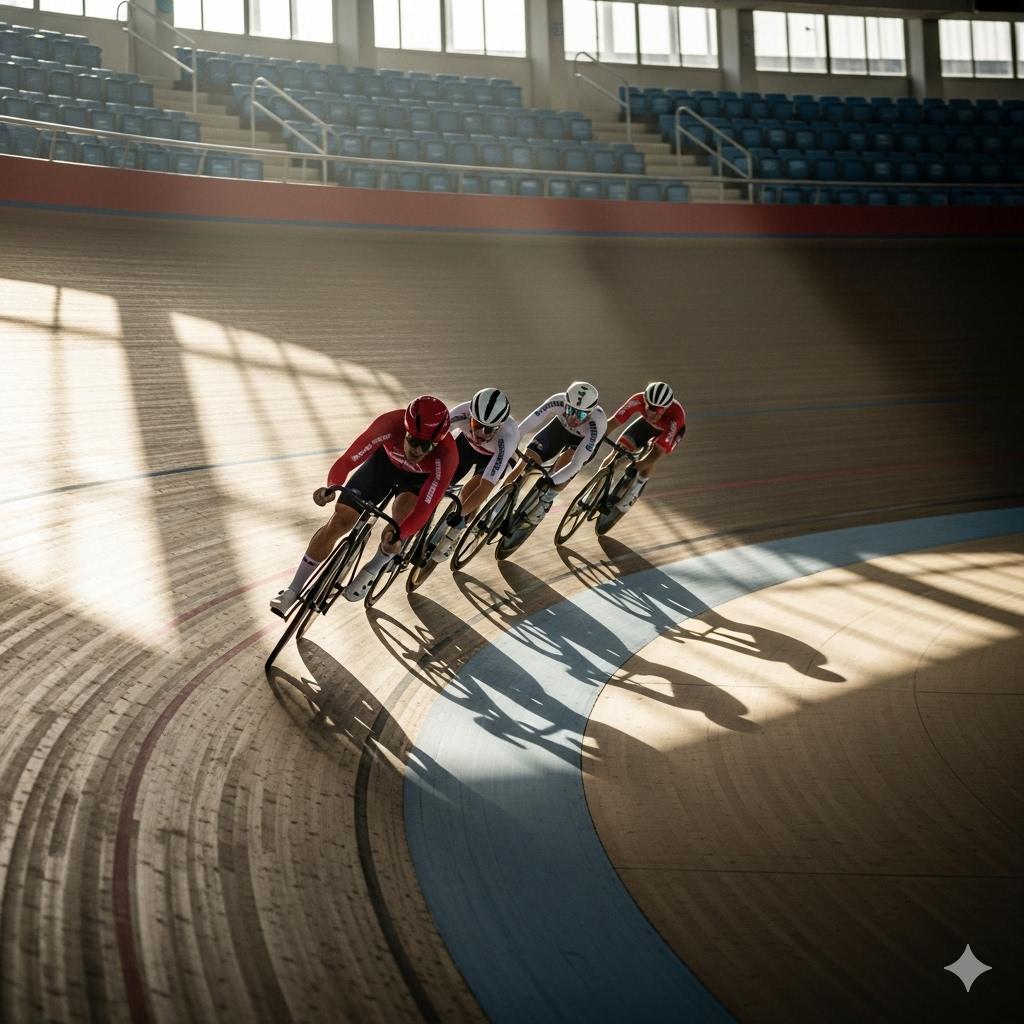
Track Cycling: Speed, Precision, and Strategy on the Velodrome
Track Cycling is one of the most thrilling sports in the world. The blend of speed, precision, and strategy sets it apart. Riders push the limits of endurance while showcasing incredible technical skills. This sport has a fascinating history, a strong global presence, and deep cultural significance. The story of Track Cycling offers lessons in athletic excellence, international cooperation, and the human drive to go faster.
The Origin and History of Track Cycling
The story of Track Cycling begins in the 19th century. Cycling itself became popular after the invention of the pedal-driven bicycle in the 1860s. Early riders quickly realized the potential for competition. Races were held on open roads, but safety concerns soon grew. Organizers began building closed circuits for safer competition.
Wooden tracks called velodromes first appeared in France. By the late 1870s, purpose-built arenas were spreading across Europe. The banking of the track allowed higher speeds, creating the thrilling spectacle we recognize today. Spectators loved the view, as every rider remained in sight. This design made Track Cycling an ideal spectator sport.
In the 1890s, the sport spread across Europe and North America. Velodromes became popular in cities like Paris, London, and New York. At this time, six-day races became a cultural phenomenon. These endurance competitions tested the physical and mental toughness of riders. Crowds packed arenas to watch teams compete for days at a time.
Track Cycling entered the Olympic Games in 1896. The Athens Olympics featured the first official events, including the sprint and time trial. This inclusion established Track Cycling as a core Olympic discipline. Over the decades, more events were added, such as the pursuit, keirin, and madison. Each format highlighted different skills, from sprinting power to tactical teamwork.
By the mid-20th century, Track Cycling had matured. European countries like France, Italy, and Belgium dominated the sport. Japan introduced keirin racing, which blended gambling with athletic competition. This variation quickly gained popularity and became a staple of the international calendar. The sport’s global footprint grew even further after World War II.
Today, velodromes exist on nearly every continent. The UCI (Union Cycliste Internationale) governs the rules and oversees international competitions. Modern velodromes use advanced materials like Siberian pine for track surfaces. Banking angles can reach up to 45 degrees, allowing speeds above 70 kilometers per hour. The combination of technology and tradition keeps Track Cycling both historic and modern.
Global Popularity of Track Cycling
Track Cycling thrives worldwide. In Europe, it is part of sporting culture. Countries like France, Germany, and the United Kingdom regularly produce champions. British dominance in the 2000s showcased how investment in facilities and coaching can deliver success. The Manchester Velodrome, built in the 1990s, became a training hub that produced multiple Olympic gold medalists.
Japan remains unique with its keirin culture. Keirin racing is not only a sport but also a betting industry. Strict training schools prepare riders, and races attract millions in wagers each year. Japanese fans support both the sporting and gambling aspects, making keirin central to national cycling culture.
Australia also plays a major role in Track Cycling. Cities like Melbourne and Sydney host world-class events. The Australian Institute of Sport developed strong programs, leading to Olympic medals. Indoor velodromes across the country provide excellent training grounds for athletes at every level.
In North America, Track Cycling has a loyal but smaller following. The Lehigh Valley Velodrome in Pennsylvania has trained many U.S. riders. Canada invests in cycling through the Mattamy National Cycling Centre, which hosted events during the 2015 Pan American Games. These facilities help maintain a competitive North American presence on the global stage.
Track Cycling also thrives in South America. Colombia has emerged as a powerhouse, producing both road and track stars. Strong domestic programs have elevated the nation in international competitions. Argentina and Chile also contribute to the growth of the sport in the region.
Globally, the UCI Track Cycling World Championships and Olympic Games remain the pinnacle. Nations compete for medals, prestige, and national pride. Television broadcasts reach millions, highlighting the sport’s continuing appeal. The blend of speed, tension, and tactics keeps audiences engaged across cultures and continents.
Amateur Track Cycling Around the World
At the grassroots level, Track Cycling continues to grow. Youth programs introduce riders to the sport in many countries. Velodromes often host beginner sessions, where young athletes learn technique and safety. Coaches emphasize bike handling, group riding, and sprinting skills.
Schools and clubs in Europe provide clear pathways. In the UK, British Cycling runs structured programs. Children as young as 10 can start learning the basics. They progress through local and regional races before advancing to national events. This system has produced Olympic champions.
Australia also promotes youth development. Programs focus on encouraging participation, not just competition. Many schools organize introductory sessions at local velodromes. These efforts help build a strong base of future riders.
In Japan, the keirin system plays a major role. While professional keirin is for adults, training academies inspire young athletes. Youth riders aspire to join the ranks of professional keirin racers. The cultural prestige of the sport encourages early involvement.
North America faces challenges due to fewer velodromes. However, clubs and associations work hard to promote the sport. Summer camps and development programs give children the chance to experience the excitement of riding the boards. Community-driven programs keep the sport alive at the amateur level.
Amateur racing includes local track leagues, national championships, and youth festivals. Events feature sprints, pursuits, and scratch races. Each race format teaches different skills. Riders gain tactical awareness, teamwork, and mental resilience. These lessons prepare them for higher competition and also benefit them outside of sport.
Professional Leagues and Global Competitions
Professional Track Cycling has multiple layers. At the top are international competitions governed by the UCI. The Track Cycling World Championships gather the best riders annually. Athletes compete in events like the sprint, keirin, omnium, and madison. Winners earn the rainbow jersey, a symbol of global dominance.
The Olympic Games represent the highest honor. Only the best riders qualify to represent their countries. Olympic medals bring recognition and sponsorships. Nations invest heavily in preparation, knowing the impact of success on the global stage.
Japan’s keirin league is unique. It functions both as a sport and a betting industry. Professional riders must complete strict training. Once licensed, they compete in daily races across Japan. Fans place wagers, making it one of the most profitable cycling circuits. Riders who succeed can earn significant income.
The UCI Track Champions League launched recently to expand professional opportunities. This league brings together top riders for short, exciting formats. Events are broadcast worldwide, designed to attract new audiences. The league blends tradition with modern presentation, highlighting the sport’s evolution.
National leagues also play a role. In countries like Germany, France, and the UK, track events fill indoor arenas. National championships feed into international selection. Sponsors and media support professional teams, keeping the circuit active year-round.
Political and Social Significance of Track Cycling
Track Cycling carries political and social weight beyond sport. Historically, it reflected industrial progress. Velodromes in the late 19th century symbolized urban growth and modern engineering. Hosting races brought prestige to cities.
During the Cold War, cycling became part of the battle for dominance. Eastern Bloc nations invested heavily in the sport. Success on the track was seen as proof of national strength. Rivalries between East and West played out in velodromes across Europe.
Socially, Track Cycling has promoted inclusivity. Women were initially excluded, but progress came slowly. Women’s events were added to the Olympics in 1988. Since then, equality has grown. The sport now features a balanced program of men’s and women’s races at major championships.
Track Cycling also fosters community. Local velodromes bring people together. Families watch races, while clubs offer social connections. The sport helps build healthy lifestyles by encouraging cycling for fitness and fun.
In Japan, the social significance of keirin cannot be overstated. It provides jobs, entertainment, and community identity. The strict training schools also represent discipline, respect, and tradition.
Track Cycling also contributes to sustainability goals. By promoting cycling as both sport and transport, it supports environmental initiatives. Governments often invest in velodromes as part of broader cycling infrastructure programs.
The Rules of Track Cycling
Track Cycling includes many disciplines, each with specific rules. However, some core principles apply across all events.
The Velodrome
Tracks are usually 250 meters long with steeply banked curves. Riders must stay within designated lanes. Blue and black lines on the track guide positioning. The innermost lane is the sprinter’s lane, reserved during sprints.
The Bikes
Track bikes are unique. They have no brakes and use fixed gears. Riders control speed through pedaling. Gear selection varies by event, with sprinters choosing higher ratios for power.
Race Types
- Sprint: Two or more riders compete over a short distance. Tactics are crucial, as positioning determines success.
- Team Sprint: Teams of three ride together. Each rider leads for one lap before peeling off.
- Pursuit: Riders start on opposite sides of the track. Victory comes by catching the opponent or posting the fastest time.
- Team Pursuit: Four riders race in formation, with the time taken on the third rider to cross the line.
- Keirin: Riders follow a motorized pacer that gradually increases speed. The pacer leaves with a few laps remaining, and a sprint decides the winner.
- Scratch Race: A simple race over a set distance. The first rider across the line wins.
- Omnium: A multi-event discipline testing versatility. Riders compete in several races, and points determine the overall winner.
- Madison: Teams of two alternate racing and resting, exchanging positions with a hand-sling. Strategy and endurance define success.
General Rules
Riders must respect track etiquette. Dangerous riding leads to disqualification. Officials enforce lane rules and monitor conduct. Timing is precise, often measured to thousandths of a second.
Conclusion
Track Cycling combines history, culture, and pure athleticism. From its 19th-century origins to today’s global championships, the sport has continued to evolve. It entertains millions while inspiring communities and shaping cultures. Amateur and professional pathways give opportunities to riders of all levels. Political and social dimensions add depth beyond the competition. The strict rules and unique bikes create a sporting spectacle unlike any other.
For those who love speed and precision, Track Cycling remains one of the most exciting sports in the world.