
Why the Zone Defense Is Making a Comeback in Football
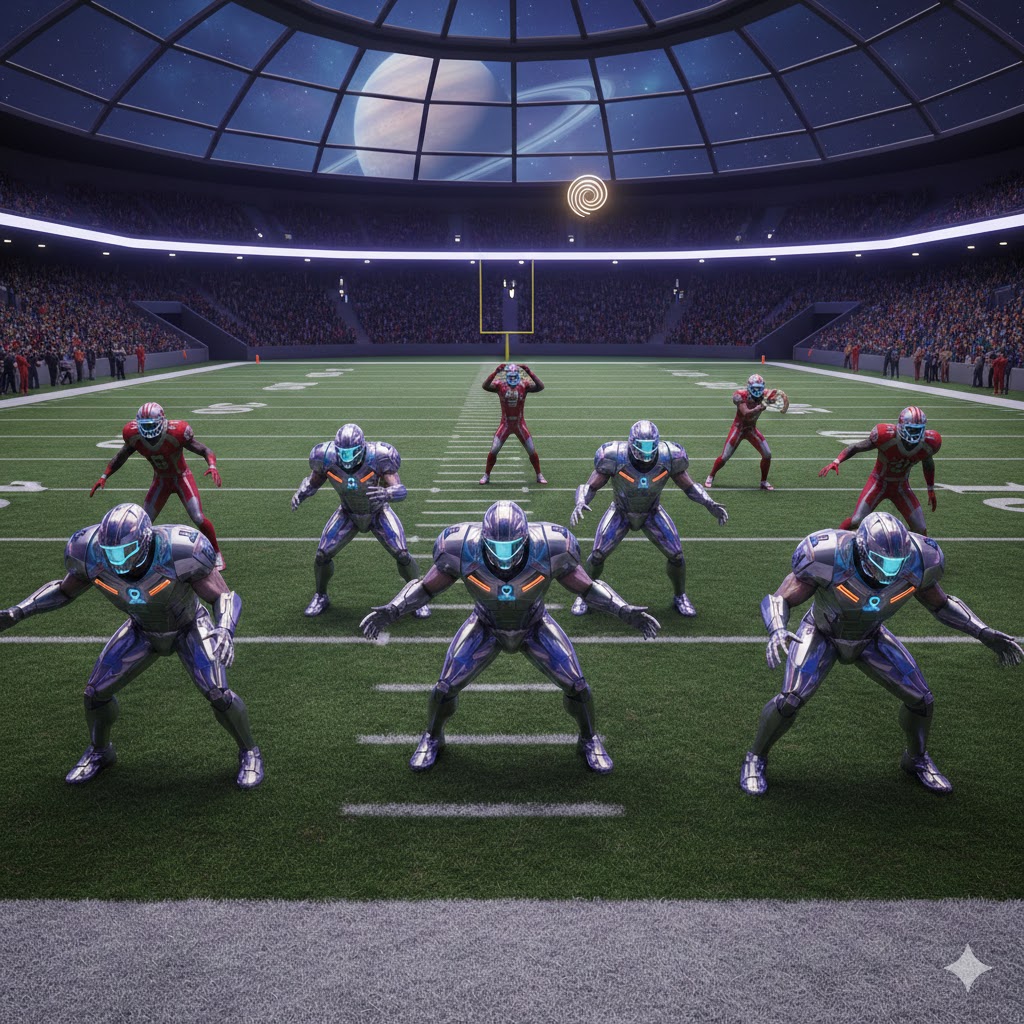
Why the Zone Defense Is Making a Comeback in Football
In recent years, defenses across football have shifted back toward zone schemes in a way that feels like both a blast from the past and a modern strategic evolution. What was once seen as a situational coverage choice has become a cornerstone of many game plans — from the NFL to top college programs.
This resurgence isn’t accidental. It reflects how the game has changed — strategically, athletically, and analytically — and how defenses are responding to the explosive offenses of today.
Zone Coverage Is More Prevalent Than Ever
Recent tracking shows NFL defenses relying on zone coverage at historically high rates. One analytics study reported that teams played zone on over 70% of defensive snaps, a notable increase from tracking data five years ago when the rate hovered closer to 58‑60%.
Those numbers tell a clear story. Defenses are choosing area‑based coverage far more than traditional man‑to‑man.
Why the Shift Back to Zone?
Modern offenses have grown more dynamic and complex. Spread concepts, quick‑trigger passing games, pre‑snap motion, RPOs, and multi‑receiver sets create matchup nightmares for defenses that rely solely on one‑on‑one coverage. In that environment, zone coverage offers several key advantages:
1. Limiting Explosive Plays
Zone defenses naturally keep the ball in front of defenders, forcing offenses to gain yards methodically rather than through vertical shots. Analysts point to this as a reason leagues are seeing fewer explosive plays and more parity. Dropping help into layers reduces big gains, which in turn increases game volatility and keeps more teams in contention.
2. Compensating for Personnel Limitations
Elite man‑to‑man coverage requires exceptional cornerbacks and defensive backs — a luxury few defenses can sustain on every down. Today’s rules favor receivers and quarterbacks, making tight man coverage even harder. Zone schemes allow defenses to hide weaknesses and maximize strengths by emphasizing communication, anticipation, and teamwork over individual matchups.
3. Adapting to Pre‑Snap Motion and Deception
Offenses use motion to create mismatches and to diagnose coverage pre‑snap. Zone defenses can adjust more fluidly than rigid man assignments, allowing defenders to reset and carry routes based on movement patterns. Modern zone concepts often incorporate pattern‑matching techniques, where defenders initially align in zones but “match up” with receivers once they enter their area of responsibility — essentially blending zone and man principles into a hybrid scheme.
4. Analytics Support Zone Effectiveness
Data now plays a central role in defensive play‑calling. Analytical trends show that zone coverage can:
- Reduce opponent passing yards
- Increase turnover opportunities
- Limit quarterback efficiency
Some analysts note that zone defenses have produced a higher turnover rate and fewer yards allowed compared to heavy man coverage.
While neither scheme is perfect in every situation, analytics increasingly show that zone coverage can control more variables and defend diverse passing attacks.
5. Emergence of Hybrid Defenders
The modern defender is not confined to traditional positional labels. Linebackers can cover backs, safeties can align in boundary slots, and cornerbacks can rotate onto underneath routes. This versatility fuels complex zone shells that disguise coverage intentions and force offenses to adjust on the fly.
Zone Coverage in Action: Real‑World Examples
Teams across the NFL are embracing zone coverage in distinct ways:
- Some defensive coordinators lead the league in zone usage, rotating players into confusing alignments that force the quarterback to read multiple layers before delivery.
- Others combine zone coverage with creative pass rush tactics, like simulated pressures, to disrupt timing while still keeping eyes on the ball.
In every case, the intent is the same: avoid one‑on‑one vulnerabilities, force difficult reads, and control the field position battle.
College’s Influence on the Trend
The NFL isn’t alone. College defenses have long used zone to defend spacing offenses that spread the field with three‑wide sets and RPO concepts. As players move to the pro level, those patterns and philosophies carry over — further accelerating the trend. Coaches emphasize discipline and communication, skills that translate well into professional zone concepts.
Not All Zone Is Created Equal
One reason zone defenses feel more robust today is that they’re not the “flat, stationary zones” of old. Modern coverage schemes often blur the line between zone and man with techniques like:
- Pattern matching, which gives a man‑coverage feel within zone shells
- Hybrid zones, which rotate responsibilities depending on offensive releases
- Split coverage tactics that mix multiple zone types on a single play
These updated schemes maintain the benefits of zone while reducing its weaknesses — especially against quick, short passing games.
Criticisms and Limitations of Zone Coverage
No scheme is perfect. Zone coverage has downsides worth noting:
- It can surrender underneath completions that churn yards after the catch.
- Miscommunication in zones can open gaps that offenses exploit.
- Some offenses use sharp route combinations and motion to manipulate zones effectively.
These weaknesses keep man coverage and hybrid schemes relevant — but they no longer dominate defensive philosophy as they once did.
Why Zone’s Comeback Is Real and Sustainable
The modern game has changed. Offenses are faster, more creative, and more analytical than ever. Defenses have responded by prioritizing strategic adaptability over pure athletic matchups. Zone coverage offers:
- Better coverage flexibility
- More disruptive disguises
- The ability to defend multiple threats from the same personnel
- Analytical backing for limiting explosive plays
In today’s NFL and college game, the teams that can execute complex zone defenses with discipline and communication give themselves a better shot at controlling modern offenses.
Zone isn’t old‑school anymore. It’s evolved — and it’s thriving in the modern era of football.