Skateboarding Vertical
Skateboarding Vertical: The Evolution, Culture, and Rules of a Gravity-Defying Sport
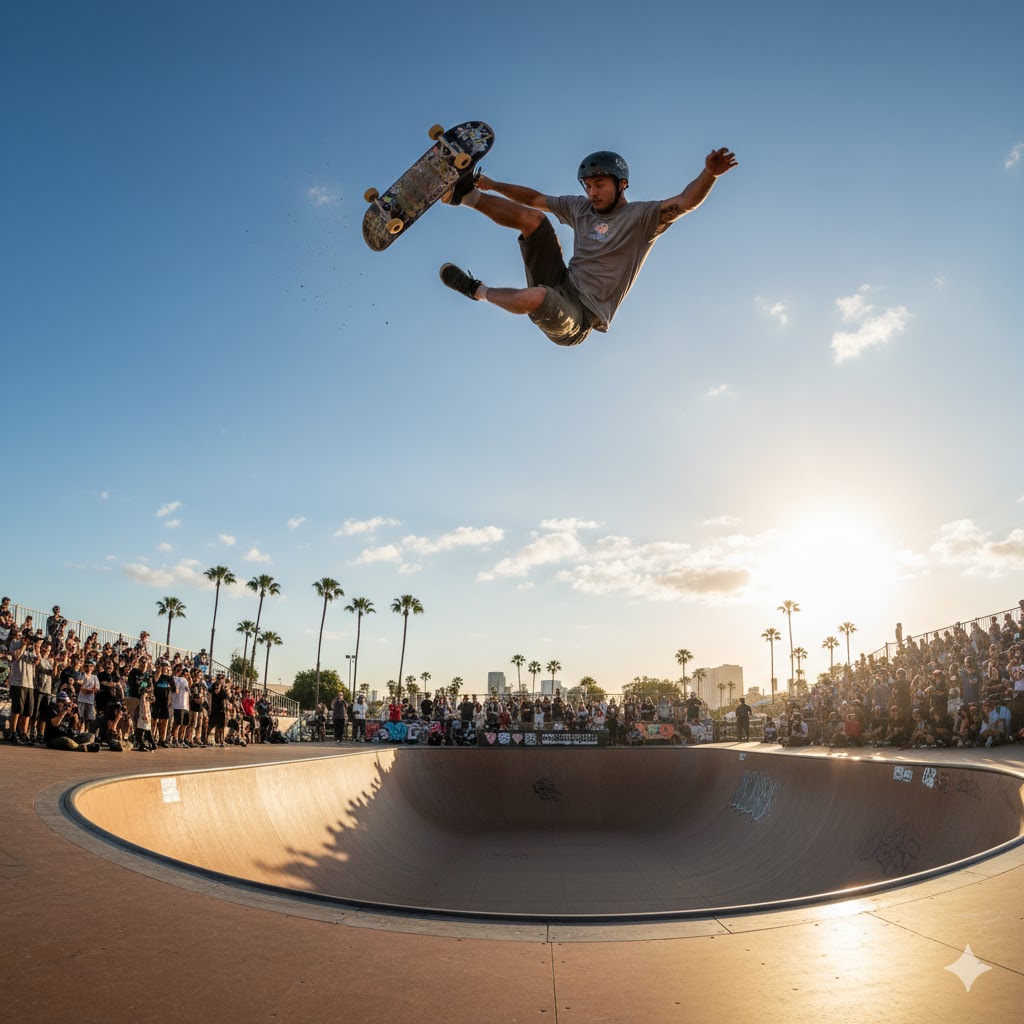
Skateboarding Vertical is one of the most thrilling and daring forms of skateboarding ever created. Riders climb massive ramps, soar through the air, and perform breathtaking tricks that test skill, creativity, and courage. The sport combines athletic precision with artistic flair. Over the decades, it has evolved from backyard pools to global arenas. Skateboarding Vertical now represents freedom, rebellion, and self-expression across the world.
The Origin and Early History of Skateboarding Vertical
The roots of Skateboarding Vertical reach back to the 1970s in Southern California. At the time, skateboarding itself was undergoing a massive transformation. Riders were looking for new challenges beyond flat ground and simple street tricks. When a severe drought hit California in the mid-1970s, many homeowners drained their backyard swimming pools. Young skaters quickly saw opportunity in those curved walls.
Pioneers like Tony Alva, Jay Adams, and Stacy Peralta, known as the Z-Boys from Dogtown, began experimenting with riding the vertical surfaces of these empty pools. They discovered that the transition between the flat bottom and the steep sides allowed them to gain speed and perform radical maneuvers. This was the birth of vertical skating, or “vert,” as it came to be called.
By the late 1970s, ramp builders began constructing wooden half-pipes to mimic the shape of those pools. These ramps allowed skaters to practice anytime, not just when they could find an empty pool. Early competitions soon followed. Riders pushed each other to go higher, faster, and bolder.
The 1980s marked the golden age of vert skating. Skateboard companies exploded in popularity. Magazines and videos spread the culture. Legendary riders like Tony Hawk, Christian Hosoi, and Steve Caballero elevated Skateboarding Vertical into a global phenomenon. The vert ramp became a symbol of ambition and creativity.
The Growth and Global Popularity of Skateboarding Vertical
Skateboarding Vertical gained international fame as it became a centerpiece of professional skateboarding events. In the 1980s and 1990s, major competitions like the NSA (National Skateboard Association) and the X Games introduced vert skating to millions. Television coverage transformed it from an underground pursuit into a mainstream sport.
Audiences were captivated by the gravity-defying height of the tricks. Moves like the “McTwist,” the “540,” and the “Kickflip Indy” became part of popular culture. Tony Hawk’s famous “900” spin at the 1999 X Games marked a defining moment. That event turned Skateboarding Vertical into a household name around the world.
Today, vert skating thrives on every continent. North America remains its spiritual home, with iconic ramps in California, Florida, and Arizona. In Europe, countries like the UK, Spain, and Germany host world-class facilities and events. Australia has produced elite riders and massive crowds. In Japan and Brazil, a new generation of skaters is bringing fresh energy and creativity to the sport.
Social media has also fueled vert skating’s reach. Platforms like Instagram and YouTube allow riders to share videos instantly. Fans from every corner of the globe can follow their favorite athletes. This accessibility has made the sport truly global.
Moreover, Skateboarding Vertical became an Olympic discipline when skateboarding debuted at the 2020 Tokyo Olympics. While the Olympic format focused mainly on park and street events, vert-style elements appeared in the park course. This recognition boosted the visibility of vert skating worldwide.
Amateur Skateboarding Vertical Around the World
At the amateur level, Skateboarding Vertical provides a thrilling challenge for skaters seeking progression beyond flat-ground tricks. Young riders are drawn to vert ramps because they offer endless possibilities. The transition between the ramp’s curved walls allows riders to gain speed naturally. That speed creates the lift needed for spectacular aerial moves.
Many skate parks across the world include mini-ramps or smaller versions of full-size vert ramps. These let beginners learn the basics safely. Youth programs, schools, and community centers increasingly support skateboarding as a positive outlet for energy and creativity. Some schools even include skateboarding in their physical education programs.
Amateur contests have become stepping stones to professional careers. Local competitions allow young riders to test their skills in front of audiences and judges. The emphasis is on flow, style, and control rather than just big tricks. Riders are encouraged to develop unique approaches to the ramp.
Countries like the United States, Brazil, and Japan have thriving youth scenes. Skateboarding camps and workshops teach technique, safety, and sportsmanship. Equipment manufacturers often sponsor talented amateurs, providing boards, helmets, and pads. This support helps grow the community and ensures the sport’s future.
Social media has also made it easier for amateurs to gain recognition. Riders can post videos, receive feedback, and attract sponsorships. The digital age has democratized the pathway from local ramp sessions to global fame.
Professional Leagues and Major Competitions
Professional Skateboarding Vertical competitions attract the world’s best athletes and massive audiences. These events celebrate skill, style, and innovation. They also showcase the diversity of riders from different nations and cultures.
The X Games remains the most prestigious stage for vert skating. Since its debut in 1995, it has hosted the sport’s most memorable moments. Tony Hawk, Bucky Lasek, and Bob Burnquist became household names through their jaw-dropping performances on the X Games vert ramp. The event features both men’s and women’s divisions, highlighting the sport’s inclusivity.
Another major competition is Vert Attack, held annually in Malmö, Sweden. This event draws professionals and amateurs alike. Its unique energy and creative atmosphere have made it a beloved fixture in the skateboarding world.
Dew Tour, hosted in the United States, includes vert and park events that attract elite skaters. It combines competition with lifestyle elements, music, and culture. Many riders view the Dew Tour as a gateway to broader recognition and sponsorship.
In Asia, countries like Japan and China are investing in vert facilities and hosting major contests. Japan’s professional league has introduced new talents who blend traditional vert style with modern park techniques. Brazil also hosts vibrant competitions where passionate fans celebrate their heroes.
Sponsorship plays a vital role in professional Skateboarding Vertical. Companies like Vans, Red Bull, and Monster Energy support riders financially and promote events globally. Their involvement ensures that vert skating remains a viable career path for top athletes.
Professional vert skaters often cross over into other disciplines, such as street and park skating, or even into entertainment. Many appear in video games, films, and brand campaigns. Their influence extends far beyond the ramp, shaping popular culture and inspiring future generations.
The Social and Political Significance of Skateboarding Vertical
Beyond the tricks and competitions, Skateboarding Vertical holds deep social and political meaning. It embodies freedom, creativity, and resistance to conformity. From its origins in California’s rebellious youth culture to its global reach today, vert skating symbolizes independence and individuality.
In many countries, skateboarding began as a countercultural movement. Riders built ramps in backyards and abandoned lots. They turned public spaces into creative playgrounds. This do-it-yourself spirit continues to define the sport. It teaches young people that they can build, create, and express themselves outside traditional structures.
Socially, vert skating has created inclusive communities. Skaters come from all backgrounds, united by a shared passion. The culture encourages mutual respect and support. It values creativity over competition, expression over perfection. Many organizations now use skateboarding as a tool for youth empowerment. Nonprofits build ramps in underprivileged areas to give children safe spaces to play and grow.
Politically, the sport has challenged stereotypes. Once seen as rebellious or even delinquent, skateboarding has earned legitimacy and respect. Cities that once banned it now fund public skate parks. Governments recognize its positive impact on youth engagement and mental health.
The inclusion of skateboarding in the Olympics represented more than athletic achievement. It symbolized acceptance. Skateboarding Vertical, in particular, demonstrates how art and sport can merge. The athletes are not just competitors—they are performers, innovators, and cultural ambassadors.
In some countries, skateboarding movements have even become forms of social protest. Riders have used ramps and boards to reclaim public spaces and promote messages of equality and freedom. Vert skating’s visible, high-flying nature makes it a powerful metaphor for overcoming obstacles.
The Rules and Format of Skateboarding Vertical
Although Skateboarding Vertical celebrates creativity, it still follows structured rules during competitions. These ensure fairness, safety, and consistency. The ramp itself is central to the format. A standard vert ramp stands around 10 to 14 feet tall, with vertical sections of about 2 to 3 feet. The flat bottom connects two opposing transitions, forming a U-shape.
Each rider performs a “run” lasting between 30 and 60 seconds. During this time, they execute a series of tricks, airs, and grinds. Judges score each run based on difficulty, style, execution, and overall flow. Landing tricks cleanly and maintaining control are crucial for high scores.
Common tricks include the air, grind, lip trick, and spin. Riders launch into the air from the ramp’s coping (the metal edge), perform spins or flips, and land back smoothly. The higher and cleaner the trick, the more impressive the run.
Competitions typically follow a heat system. Riders compete in groups, and the top scorers advance to the finals. Each skater’s best run counts toward their final ranking. Some contests use jam formats, allowing multiple skaters to share the ramp simultaneously, encouraging interaction and creativity.
Safety rules are strict. Helmets, knee pads, elbow pads, and wrist guards are mandatory. Ramps are regularly inspected for damage. Spotters and medical staff remain on standby at all times. While injuries can occur, safety awareness and proper training greatly reduce risks.
In addition to judged runs, some events feature best trick contests. Riders get multiple attempts to land a single difficult maneuver. This format rewards innovation and technical mastery.
Unlike many traditional sports, vert skating leaves room for personal interpretation. There are no fixed routines. Riders can invent new tricks and combinations. This freedom keeps the sport evolving and exciting.
Equipment and Setup
To perform at their best, vert skaters need specialized gear. Vert boards differ from street boards in several ways. They are wider, usually between 8.25 and 8.75 inches, for stability. The wheels are larger and softer, allowing smooth transitions on ramp surfaces. Trucks, which attach the wheels to the board, are heavier and stronger to handle high-impact landings.
Protective gear is equally important. Helmets designed for vert skating cover more of the head and offer extra padding. Knee pads with thick caps protect against hard falls. Many riders also wear padded shorts and wrist guards. Safety is viewed not as weakness but as a mark of professionalism.
Vert ramps require maintenance. Wooden ramps are sealed to prevent moisture damage, while indoor facilities often use smooth composite materials. Lighting and ventilation play key roles in indoor arenas. Skaters also practice regularly on smaller ramps to perfect their timing and balance before attempting full-size runs.
The Future of Skateboarding Vertical
The future of Skateboarding Vertical looks bright. New technologies, rising talent, and cultural acceptance are driving its growth. With global exposure from the Olympics and major streaming platforms, more people are discovering the beauty of vert skating.
Innovations in ramp design continue to push limits. Portable and modular ramps make events easier to host anywhere in the world. Virtual reality training tools are emerging, helping riders visualize tricks before performing them.
Female participation is also on the rise. Skaters like Sky Brown, Lizzie Armanto, and Poppy Starr Olsen have inspired young women everywhere. Their success shows that vert skating is for everyone.
The sport also connects with environmental movements. Many ramp builders now use sustainable materials. Skating communities promote recycling and responsible construction. Vert skating’s outdoor roots naturally align with a respect for the environment.
As brands invest in youth development and international outreach, more countries will produce elite riders. The next generation is growing up with better training, technology, and opportunities than ever before.
Cultural Legacy of Skateboarding Vertical
Skateboarding Vertical’s influence extends far beyond competition. It shapes art, music, fashion, and lifestyle. The aesthetic of the ramp—its curves, speed, and flow—has inspired countless creative works. Skate videos, photography, and graffiti all draw from the energy of vert skating.
Music has always been part of the culture. Punk rock and hip-hop have fueled sessions and competitions alike. The combination of sound and motion creates an experience that’s both raw and powerful.
Fashion, too, reflects the sport’s legacy. Loose-fitting clothes, protective pads, and signature skate shoes became global trends. Even high-end designers have borrowed elements of skate style.
For many people, vert skating represents freedom from routine. It’s not just about tricks or trophies. It’s about community, creativity, and courage. It teaches balance—both physical and mental. Every fall becomes a lesson. Every success builds confidence.
The sport’s journey from empty pools to international stages mirrors the power of persistence. Skateboarding Vertical started as a hobby for outcasts and became a respected global discipline. That transformation continues to inspire countless young dreamers.
Conclusion
Skateboarding Vertical stands as one of the most dynamic and expressive sports in the world. Its history is rich, its culture deep, and its impact undeniable. From backyard pools in 1970s California to Olympic arenas today, it has captured the imagination of millions. The sport continues to evolve, combining athletic skill with creativity and heart.
Across continents, Skateboarding Vertical brings people together. It encourages freedom, resilience, and joy. Whether at a local park or a professional contest, the feeling of soaring above the ramp remains timeless. Every skater, young or old, shares that moment of flight—a pure connection between body, board, and motion.
In a world that often values conformity, Skateboarding Vertical reminds us to defy gravity, follow passion, and embrace individuality. That’s why it will always remain more than a sport. It’s a way of life, a culture, and a celebration of what it means to truly live without limits.