
The Era of Positionless Basketball
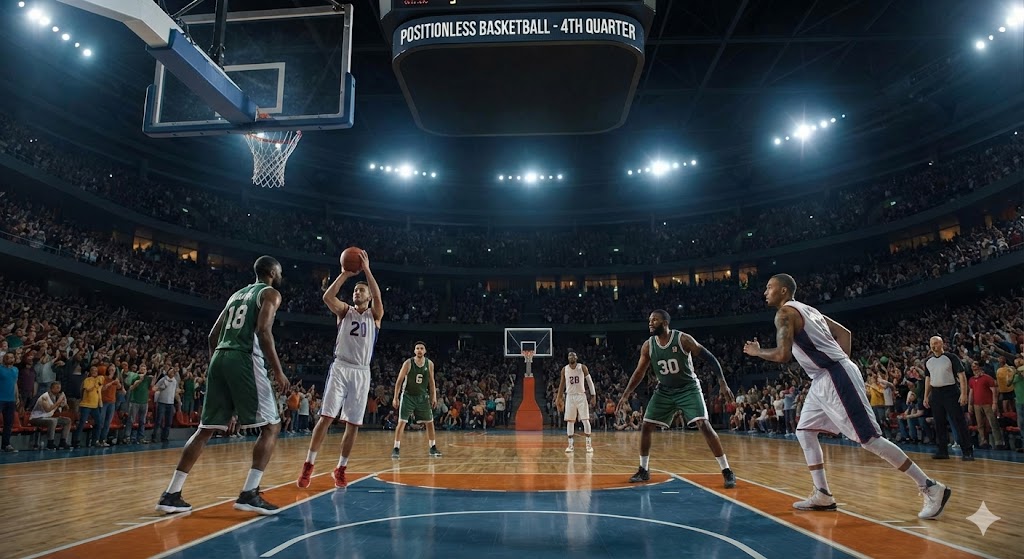
The Era of Positionless Basketball
Basketball keeps evolving in bold and exciting ways. Yet no trend has reshaped the game more than the Era of Positionless Basketball. This movement has changed how players train, how coaches strategize, and how teams build rosters. It has also changed the overall feel of the game. Fans now watch a faster pace, smoother spacing, and more creativity. The sport feels more fluid. The roles seem less rigid. Players flow in and out of spots with confidence and freedom. This transformation continues to reshape basketball at every level.
The idea behind this movement is simple. Modern players must handle the ball, make decisions, guard multiple positions, and create advantages in space. Traditional roles still matter, but they no longer define players the way they once did. Instead, coaches look for skill, length, movement, and versatility. Because of that shift, players train differently, and teams compete differently.
My own experience supports this modern perspective. I played as a 6-foot-2-inch guard, yet I had a 6-foot-6-inch wingspan. That length allowed me to defend taller players and rotate across different spots. Coaches valued my motor, but they also valued my ability to slide into several defensive matchups. That flexibility has now become the expectation for almost every player.
The Origin and Rise of Positionless Concepts
Basketball has been moving toward this moment for decades. Early legends hinted at the future. Magic Johnson handled the ball like a point guard, yet he dominated every position. Scottie Pippen defended the entire floor with grace and toughness. Later stars pushed the trend even further. LeBron James became a point forward for an entire generation. Kevin Durant introduced a blend of size, shooting, and mobility that once seemed impossible. Draymond Green set new standards for defensive versatility. Nikola Jokić changed expectations for big men with his elite playmaking.
You can also find this shift in college basketball. Skilled forwards often run the offense. Athletic guards rebound like power forwards. Lineups stretch, switch, and swap roles throughout the game. Coaches love players who can dribble, pass, shoot, and defend in space. Roster building now revolves around hybrid skills.
Even role players show remarkable versatility. Wings handle pick-and-roll actions. Bigs shoot threes. Guards crash the glass. Everyone rotates on defense and reacts. Everyone moves.
Basketball has become a skill-first sport, and versatility drives every major system.
Why Offenses Thrive in Positionless Systems
Positionless concepts shine on the offensive side. Spacing becomes the primary weapon. When five players can dribble, pass, and shoot, defenders cannot overload one area. The floor opens. Passing lanes widen. Driving lanes expand. Shot quality improves.
Moreover, spacing turns ordinary possessions into dangerous opportunities. For example, a forward who handles the ball forces opposing teams into tough decisions. Should the defense switch or should they collapse? Should they trap? The offense gains leverage with every skilled player on the floor.
Even more important, modern offenses start actions from several spots. Ball handlers attack from the top, wings, or the post. Shooters relocate with ease. Screeners pop or slip into space. Every action depends on movement rather than a rigid structure.
Players also communicate more. In many lineups, any player can bring the ball up the floor. Breaks start faster. Transition attacks hit quickly. Defenses scramble. Fans love the speed and rhythm because the game moves naturally and aggressively.
This freedom allows players to show creativity. It also helps teams adjust to matchups without changing lineups.
How Defense Adapts in a Positionless World
Defense has changed at the same rapid pace. Teams now value players who can switch screens and guard multiple positions. Coaches prioritize wingspan and footwork. They search for players who can close out quickly, guard in space, and rotate without hesitation.
Versatility creates an important defensive advantage. Switching prevents clean looks. It also forces offenses to work harder to create mismatches. A defender with long arms, strong lateral movement, and solid instincts can neutralize several different offensive threats.
My own long wingspan helped me defend taller players. I learned that wingspan gives defenders a wider margin for error. It allows better recovery. It increases deflection opportunities. Coaches now analyze wingspan almost as much as height.
This shift also impacts scouting. Teams hunt for athletic wings who can defend inside and outside. They want guards who fight through screens yet can still hold their own in the post. Bigs must protect the rim while defending the perimeter.
Despite these advantages, positionless defense requires strong communication. Players must talk. They must recognize screens early. They must trust teammates. Because switching only works when defenders stay connected, communication becomes the most important defensive skill.
The Main Weakness: Rim Protection
However, this movement is not perfect. Every trend brings trade-offs, and the era of positionless basketball includes a real limitation. Rim protection becomes a challenge when teams rely on multiple versatile wings instead of true big men.
Not every team has a player like Victor Wembanyama. His size, length, and mobility allow him to guard everywhere while blocking shots at a historic rate. Most teams lack that type of anchor. Without elite rim protection, defenses break down more often. Guards attack the paint repeatedly. Opponents score efficiently in transition. Rotations stretch thin.
Coaches respond by teaching team-based rim protection. They ask players to rotate early and ask wings to contest shots with verticality. They rely on help from multiple angles. Yet those strategies cannot fully replace a dominant rim protector.
Therefore, teams must balance their lineups. They need length, versatility, and mobility. At the same time, they must protect the paint. Striking that balance remains one of the biggest challenges of this era.
How Positionless Basketball Enhances Entertainment
Fans have embraced this trend quickly. The pace feels faster. The movement feels smoother. Every player touches the ball. Every player attacks space and contributes to the offense.
Modern games feature more transition opportunities. They also showcase more ball movement and more creativity. Viewers now see tall players run the fast break and small players post up. This unpredictability makes the sport more exciting.
Furthermore, the increased pace increases scoring. Fans enjoy high-energy games with dynamic highlights. Coaches appreciate the rhythm because it helps maintain offensive flow. Players enjoy the freedom because it lets them express their full skill sets.
Spectators also appreciate the effort required to defend in this system. Switches happen quickly. Rotations never stop. Teams battle across the entire floor. The intensity makes each possession feel meaningful.
As a result, the style attracts new viewers while keeping longtime fans invested.
Positionless Concepts Across Different Levels of Play
This trend extends far beyond the NBA. College teams rely on hybrid players to compete against elite athleticism. Smaller programs use versatile wings to match size disadvantages. Coaches at every level search for players who can create mismatches.
High school basketball now follows this direction as well. Larger schools develop players with guard-like skills regardless of height. Forwards learn ball handling early. Centers learn to shoot threes and make decisions. Guards rebound aggressively. Everyone shifts through multiple offensive and defensive roles.
Youth programs also explore these concepts. Coaches teach fundamentals to every position. They encourage players to expand their skill sets rather than stay locked in a single role. Young players now grow up with a broader understanding of the game.
This development pathway strengthens the trend. The next generation of athletes will be more skilled, smarter, and more versatile. The rise of positionless basketball will accelerate even faster.
Team Building and the Modern Roster Strategy
Front offices and scouting departments now search for broad skill sets. They want height and wingspan, but they also want ball handling, spacing, and defensive versatility.
Rosters built around strict positions rarely succeed today. Instead, teams search for players who fit multiple roles. A wing might play as a guard one night and as a small-ball big the next. A point guard might defend shooting guards or small forwards. A center might stretch to the perimeter and initiate offense.
Versatility improves roster flexibility. Injuries become easier to manage. Matchups become easier to attack. Coaches adjust lineups quickly without sacrificing structure.
Positionless concepts also change practice routines. Teams drill switches repeatedly. They train every player in ball screens. They teach passing angles and spacing principles to all positions.
This approach demands skilled and disciplined athletes. However, it creates powerful teams with several lineup options.
How Coaches Design Positionless Systems
Coaches now design systems that flow through multiple players. Offenses begin with simple actions. They rely on spacing and movement. Players read and react based on advantages. Every player touches the ball. Every player makes decisions.
Defensively, coaches emphasize communication and rotation. They drill closeouts and switches. They design schemes that keep players engaged at all times.
Coaches also value length more than they once did. They believe wingspan disrupts passing lanes and improves overall coverage. Because of that belief, coaches look for athletic wings who can guard inside and outside.
These strategies redefine the game at every level. Teams with multiple hybrid players become incredibly difficult to defend.
Why the Traditional 1–5 System Still Matters
Although the game has evolved, the traditional 1, 2, 3, 4, and 5 positions still matter. Complete removal of roles does not work. Teams still need ball handlers, shooters, rebounders, and rim protectors. However, modern basketball requires those roles to blend.
A player may guard a center on one possession and initiate the offense on the next. A forward may run the offense when needed but also play as a screener. Guards may rebound and defend bigger opponents.
Flexibility defines the new model. Traditional roles support structure, while positionless concepts provide freedom. When combined, teams gain balance and versatility.
Where the Future Is Heading
The era of positionless basketball continues to expand, and the future looks bright. The trend moves upward each season. More teams adopt flexible systems. More players develop hybrid skill sets. Coaches embrace spacing, mobility, and switching.
High school programs continue to follow this direction. College teams strengthen their reliance on versatile lineups. The professional game evolves even faster.
Yet the NBA may never become fully positionless. Certain roles will always matter. Rim protection is still essential. Rebounding cannot be ignored. Elite playmaking remains valuable. Shooting always matters.
Therefore, the future likely blends traditional positions with modern versatility. Teams will continue searching for hybrids who handle the ball, defend multiple spots, and create in space. However, they will still value size, strength, and role-specific skills.
This combination creates a healthy, exciting balance.
Why This Era Will Continue to Shape the Game
The era of positionless basketball represents more than a trend. It reflects a deeper understanding of how basketball works. Versatility beats rigidity. Spacing creates opportunity. Movement creates confusion. Length boosts defense. Skill wins at every level.
Players train differently now. Coaches teach differently. Teams strategize differently. Fans enjoy the faster pace and creativity. The sport gains energy and momentum from this shift.
The movement also opens doors for athletes who might not fit traditional molds. Skilled wings thrive. Big guards dominate. Stretch bigs break old rules. Undersized players contribute in several ways. Hybrid athletes find a home in the modern game.
Because of these advantages, positionless concepts will continue to influence how basketball develops. Young athletes will train to handle the ball. They will learn advanced footwork and how to defend multiple positions. They will grow into players capable of doing nearly everything on the floor.
This era strengthens basketball’s identity. It makes the game smarter, faster, and more exciting.
Final Thoughts
Basketball keeps moving forward. The era of positionless basketball defines this moment in the sport. Players take on multiple roles. Coaches design fluid systems that use spacing and movement. Teams build rosters filled with hybrid athletes. Fans enjoy an exciting style that showcases speed, skill, and creativity.
Although weaknesses exist, especially in rim protection, the benefits remain far greater. Offenses create space. Defenses switch effectively. Lineups shift without losing structure. The sport grows stronger and more dynamic.
The future will blend traditional positions with versatile skills. This combination will shape the game for decades. We now watch a sport driven by length, instinct, movement, and intelligence. That evolution keeps basketball thrilling at every level.