
Why Midfielders Control the Modern Game of Soccer
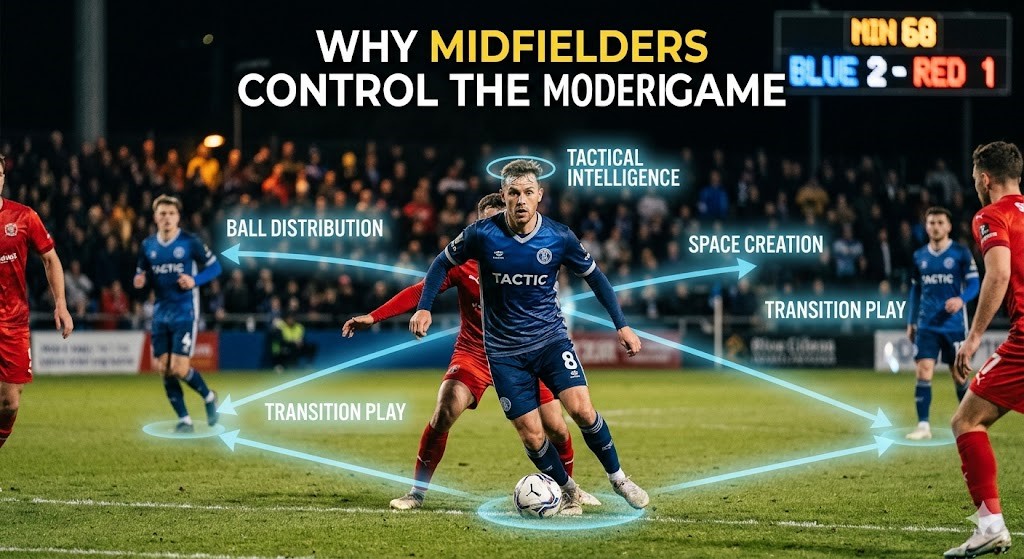
Why Midfielders Control the Modern Game of Soccer
Midfielders control the modern game of soccer more than any other position on the field. They dictate tempo, connect defense to attack, and influence every phase of play. As the sport has evolved, the importance of midfielders has only grown. Today, teams win and lose based on how well their midfield performs.
This shift did not happen overnight. Instead, it developed through tactical innovation, increased athletic demands, and a deeper understanding of space and possession. Now, if you want to understand soccer at a high level, you must start with the midfield.
The Evolution of the Midfield Role
In earlier eras, soccer relied heavily on direct play. Teams focused on getting the ball forward quickly. Midfielders existed, but their responsibilities were often limited.
However, as tactics became more sophisticated, coaches began to see the midfield differently. Instead of just supporting roles, midfielders became the engine of the team. They started controlling possession, dictating rhythm, and organizing play.
Over time, formations like 4-3-3 and 4-2-3-1 placed even greater emphasis on midfield structure. These systems rely on midfielders to maintain balance between attack and defense. Without strong midfield play, these formations fall apart quickly.
As a result, the modern game demands smarter, faster, and more versatile midfielders than ever before.
Controlling the Tempo of the Game
One of the primary reasons midfielders control soccer is their ability to dictate tempo.
Tempo refers to how fast or slow a team plays. A skilled midfielder can slow the game down to maintain possession or speed it up to catch the opponent off guard. This control creates opportunities and limits mistakes.
For example, when a team is under pressure, midfielders can recycle the ball. They pass sideways or backward to relieve tension and reset the attack. On the other hand, when space opens up, they can quickly transition forward.
This constant adjustment keeps opponents guessing. It also allows teams to stay in control regardless of the situation.
Without midfielders managing tempo, games become chaotic. Teams lose shape, possession breaks down, and scoring chances disappear.
Linking Defense and Attack
Midfielders serve as the critical link between defense and attack. This role alone makes them indispensable.
Defenders rely on midfielders to provide passing options when building from the back. Meanwhile, forwards depend on midfielders to deliver quality service in dangerous areas.
Because of this dual responsibility, midfielders must constantly read the game. They need to know when to drop deep and help defensively and when to push forward to support the attack.
This connection creates fluid movement across the field. Instead of isolated units, the team operates as one cohesive system.
When the midfield link breaks, everything else struggles. Defenders become exposed, and attackers become isolated. That is why strong midfield play often leads to overall team success.
Winning the Battle for Possession
Possession has become a defining feature of modern soccer. Teams that control the ball usually control the game. Midfielders play the biggest role in this battle.
They operate in the most congested area of the field. Because of this, they must handle pressure, make quick decisions, and execute precise passes.
Winning possession involves more than just tackling. It includes intercepting passes, positioning correctly, and anticipating the opponent’s next move.
Once the ball is won, midfielders must transition immediately. A slow reaction wastes the opportunity. A quick, smart decision can create a scoring chance.
This ability to win and retain possession gives midfielders a massive influence on the outcome of matches.
Tactical Intelligence and Awareness
Modern midfielders must think faster than ever. Physical ability still matters, but intelligence often separates good players from great ones.
They need to understand spacing, movement, and timing. They must also recognize patterns in the opponent’s play.
For instance, a midfielder might notice a defender stepping out of position. With one quick pass, they can exploit that space and create an attack.
Additionally, midfielders often act as on-field leaders. They communicate with teammates, organize positioning, and adjust tactics in real time.
This level of awareness allows teams to adapt during matches without relying solely on the coach.
Versatility in Roles
Not all midfielders play the same way. In fact, the variety of roles within the midfield highlights its importance.
Defensive midfielders focus on breaking up play and protecting the back line. They provide stability and shield the defense.
Central midfielders balance both defense and attack. They cover large areas of the field and contribute in all phases of play.
Attacking midfielders concentrate on creativity. They create scoring opportunities through vision, passing, and movement.
Box-to-box midfielders do everything. They defend, attack, press, and support their teammates across the entire field.
Because of this versatility, midfielders adapt to different game situations. This flexibility allows teams to change tactics without making substitutions.
Pressing and Defensive Contribution
Defense in modern soccer starts in the midfield. Pressing systems rely heavily on midfielders to disrupt the opponent’s build-up.
When a team loses possession, midfielders often react first. They close down space, apply pressure, and force mistakes.
This immediate response prevents opponents from settling into their attack. It also increases the chances of winning the ball back quickly.
Moreover, midfielders track runners and cover defensive gaps. Their work rate reduces the burden on defenders and keeps the team compact.
Without strong defensive contributions from midfielders, teams become vulnerable. Opponents find space easily and create more scoring chances.
Creating Scoring Opportunities
Midfielders are often the primary creators in soccer. They set up goals through passing, vision, and intelligent movement.
A well-timed through ball can split an entire defense. A quick combination can open space in tight areas. A long-range pass can switch the field and create an advantage.
In addition, many midfielders contribute goals themselves. They arrive late in the box, take shots from distance, and capitalize on second chances.
This ability to both create and finish makes midfielders extremely valuable.
Teams with creative midfielders tend to produce more scoring opportunities. As a result, they are more likely to win games.
Adapting to Modern Tactics
Soccer tactics continue to evolve. However, one constant remains: the importance of the midfield.
Modern systems emphasize fluidity and positional interchange. Players move constantly, and roles change throughout the match.
Midfielders are at the center of this movement. They must adapt quickly and understand multiple roles.
For example, a midfielder might start as a deep playmaker but push forward during attacks. Then, they might drop back again when defending.
This adaptability allows teams to maintain structure while remaining unpredictable.
As tactics become more complex, the demand for intelligent midfielders increases.
Physical Demands and Work Rate
The modern game is faster and more demanding than ever. Midfielders must cover significant distances during matches.
They sprint, jog, and change direction constantly. They also engage in physical battles for possession.
Because of this, fitness plays a crucial role. A midfielder who tires easily cannot maintain performance levels.
High work rate sets top midfielders apart. They contribute in every phase of play and remain active throughout the match.
This relentless effort influences the entire team. It sets the tone and raises the overall level of performance.
The Psychological Edge
Midfielders often control the mental side of the game as well.
By maintaining possession, they frustrate opponents. By controlling tempo, they dictate the pace of the match.
Confidence also flows through the midfield. When midfielders play well, the entire team feels more comfortable.
Conversely, when midfielders struggle, the team loses confidence. Passes become rushed, positioning breaks down, and mistakes increase.
This psychological impact further emphasizes the importance of midfield control.
Youth Development and the Midfield Focus
Coaches at all levels now prioritize midfield development. Young players are trained to be comfortable on the ball, make quick decisions, and understand tactics.
This focus reflects the demands of the modern game.
Instead of specializing early, many players learn multiple roles within the midfield. This approach builds versatility and game intelligence.
As these players progress, they bring a deeper understanding of the game.
This trend ensures that future generations will continue to emphasize midfield dominance.
Why Midfielders Truly Control the Game
When you combine all these factors, the conclusion becomes clear. Midfielders control the modern game of soccer because they influence every aspect of play.
They manage tempo. They link defense and attack. They win possession. They create chances. They adapt to tactics. They contribute defensively. They set the mental tone.
No other position has such a wide range of responsibilities.
As soccer continues to evolve, this trend will likely continue. Teams will rely even more on intelligent, versatile midfielders to gain an advantage.
Final Thoughts
If you want to understand why some teams dominate while others struggle, watch the midfield.
Pay attention to how players move, pass, and position themselves. Notice how they respond under pressure and how they control the pace of the game.
You will quickly see that midfielders are not just part of the action. They are the driving force behind it.
In the modern era, controlling the midfield means controlling the game.