
How Stadium Design Impacts Fan Experience
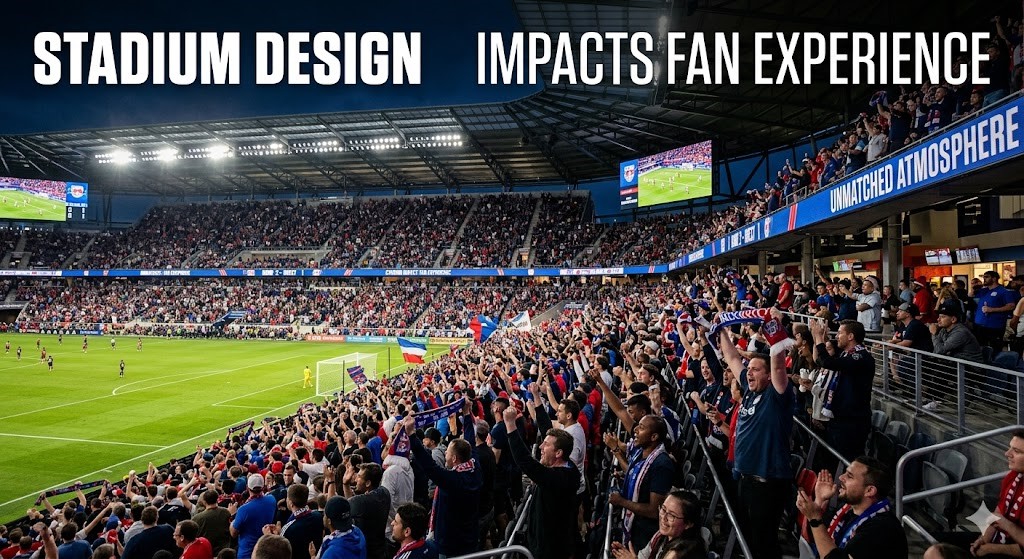
How Stadium Design Impacts Fan Experience
Stadium design impacts fan experience in ways that extend far beyond seating capacity and architecture. Modern sports venues are no longer just places to watch games. They are entertainment destinations designed to create emotion, comfort, excitement, and connection. Every detail, from sightlines and acoustics to food courts and technology, shapes how fans experience live sports.
As sports organizations compete for attendance and revenue, stadium design has become more important than ever. Teams understand that fans now expect more than simply watching the action. They want immersive experiences, convenience, atmosphere, and memorable moments.
Whether attending a football game at Lambeau Field or a soccer match at Wembley Stadium, fans immediately feel the impact of thoughtful stadium design.
The Evolution of Stadium Design
Sports venues have changed dramatically over time.
Older stadiums focused primarily on function. They provided seating, basic concessions, and little else.
Modern stadiums operate differently.
Today’s venues are designed to maximize comfort, engagement, and entertainment. Architects and teams carefully study fan behavior to create environments that enhance the overall experience.
This shift reflects broader changes in sports culture.
Fans now have countless entertainment options available at home, including high-definition broadcasts and streaming services. Because of this, stadiums must offer experiences that television cannot replicate.
As a result, venue design has become a critical competitive advantage.
Sightlines and Viewing Experience
One of the most important aspects of stadium design is visibility.
Fans want clear views of the action regardless of where they sit.
Great stadiums minimize obstructed views and ensure spectators feel connected to the game. Proper seating angles and elevation help create immersive viewing experiences.
Modern venues use advanced design techniques to bring fans closer to the action while maintaining comfort and safety.
For example, steep seating arrangements in many soccer stadiums create intense atmospheres while improving sightlines.
A poor viewing experience can frustrate fans and reduce overall enjoyment.
Because of this, sightline optimization remains one of the top priorities in stadium architecture.
Atmosphere and Crowd Energy
Stadium design heavily influences atmosphere.
Noise, crowd interaction, and emotional intensity all depend partly on architectural structure.
Some venues are specifically engineered to trap sound and amplify crowd noise. This creates intimidating environments for visiting teams and exciting experiences for fans.
For example, Arrowhead Stadium is famous for its loud atmosphere, partly because of how the stadium structure reflects sound back toward the field.
Similarly, enclosed stadiums often generate more intense crowd energy than open-air venues.
Atmosphere affects fan engagement significantly. Loud, energetic environments make games feel more dramatic and memorable.
This emotional impact keeps fans returning year after year.
Comfort and Seating Design
Comfort plays a major role in fan satisfaction.
Modern stadiums invest heavily in seating quality, legroom, climate control, and accessibility.
Fans attending live events often spend several hours inside venues. Uncomfortable seating or poor amenities can negatively impact the experience.
Luxury seating options have also expanded dramatically.
Premium suites, club seating, and hospitality areas generate major revenue while providing enhanced experiences for corporate guests and high-paying fans.
At the same time, stadiums must balance premium offerings with affordable seating options for general audiences.
A well-designed venue accommodates different fan needs without sacrificing atmosphere.
Accessibility and Crowd Flow
Efficient crowd movement is essential in stadium design.
Fans want easy access to entrances, concessions, restrooms, and exits.
Poor crowd flow creates frustration, long wait times, and safety concerns.
Modern venues use wide concourses, multiple access points, and digital navigation systems to improve movement throughout the stadium.
Accessibility also matters greatly.
Stadiums must accommodate fans with disabilities through ramps, elevators, accessible seating, and supportive services.
Inclusive design ensures all fans can enjoy the event comfortably and safely.
As expectations continue to rise, accessibility has become a central focus in modern venue planning.
Technology Integration
Technology has transformed the live sports experience.
Modern stadiums integrate massive video boards, high-speed Wi-Fi, mobile apps, and interactive features to enhance engagement.
Fans now expect constant connectivity during events.
They share experiences on social media, access instant replays, and order food through mobile devices.
Venues that fail to provide strong technological infrastructure risk falling behind.
Large video displays also improve the viewing experience by providing close-up replays, statistics, and entertainment between plays.
This integration keeps fans engaged throughout the event.
Technology therefore plays a major role in shaping modern fan expectations.
Food, Beverage, and Hospitality Experiences
Concessions have evolved far beyond basic hot dogs and soda.
Modern stadiums now emphasize high-quality dining experiences.
Many venues partner with celebrity chefs, local restaurants, and premium food vendors to create unique culinary offerings.
Fans increasingly view food as part of the entertainment experience.
Local cuisine and regional specialties also help create stronger connections between teams and communities.
Hospitality spaces have expanded as well.
Bars, lounges, rooftop decks, and social gathering areas encourage fans to spend more time inside the venue.
These amenities create more dynamic and enjoyable environments.
Creating Emotional Connection Through Design
Great stadiums create emotional experiences.
Architecture, lighting, traditions, and visual identity all contribute to the emotional atmosphere.
For example, historic venues often generate deep nostalgia and emotional attachment among fans.
Fenway Park and Wrigley Field are beloved not just because of baseball, but because of their character and history.
Modern stadiums attempt to balance innovation with emotional storytelling.
Design elements that reflect team history, local culture, and community identity strengthen fan loyalty.
This emotional connection becomes part of the overall experience.
Multi-Purpose Entertainment Venues
Today’s stadiums are designed for more than sports.
Concerts, festivals, conventions, and other events help venues generate year-round revenue.
Because of this, flexibility has become a major design priority.
Retractable roofs, movable seating, and adaptable event spaces allow stadiums to host diverse entertainment experiences.
This multi-purpose approach benefits both teams and communities.
It also increases the venue’s role as a cultural and social hub.
Modern stadiums therefore function as entertainment complexes rather than single-use facilities.
Sustainability and Environmental Design
Sustainability has become increasingly important in stadium construction.
Teams and cities now prioritize environmentally responsible design.
Modern venues incorporate solar energy, water conservation systems, recycling programs, and energy-efficient materials.
Green design benefits both the environment and long-term operational costs.
Fans also increasingly value sustainability efforts.
Venues that demonstrate environmental responsibility often strengthen public support and community relationships.
As climate concerns grow, sustainable stadium design will likely become even more important.
Safety and Security Considerations
Fan safety is a critical part of stadium design.
Modern venues incorporate advanced security systems, emergency evacuation planning, and crowd management strategies.
Security checkpoints, surveillance technology, and medical response areas all contribute to safer environments.
At the same time, venues must balance security with convenience.
Fans want to feel safe without experiencing excessive delays or restrictions.
Effective design helps achieve this balance.
Safety measures are now integrated into nearly every aspect of stadium planning.
The Economic Impact of Stadium Design
Stadium design also affects economic performance.
A well-designed venue increases attendance, fan spending, and event opportunities.
Teams generate revenue through ticket sales, concessions, sponsorships, and premium seating experiences.
Cities also benefit economically from tourism, hospitality, and local business activity.
Because of this, stadium projects often involve significant public and private investment.
Successful venues can become economic anchors for surrounding neighborhoods.
However, poorly designed or outdated facilities may struggle to remain competitive.
Home-Field Advantage and Psychological Impact
Stadium design can influence competition itself.
Crowd noise, proximity to the field, and environmental conditions all affect athletes and visiting teams.
Some venues intentionally create intimidating atmospheres.
Fans sitting close to the action increase intensity and pressure on opponents.
This psychological advantage can influence game outcomes.
Home-field advantage is therefore partly shaped by architectural design.
Teams recognize this and often work closely with architects during construction planning.
The Role of Tradition and Identity
Sports fans value tradition deeply.
Stadiums often become symbols of team identity and community pride.
Architectural features, traditions, and iconic visuals contribute to this identity.
For example, the “Green Monster” at Fenway Park has become one of the most recognizable features in sports.
These unique characteristics create emotional attachment and strengthen fan culture.
Even modern venues attempt to incorporate elements that feel authentic and distinctive.
This connection between stadium identity and fan loyalty remains extremely important.
Why Fan Experience Matters More Than Ever
The modern sports industry is highly competitive.
Fans can now watch games from home with incredible convenience and quality.
Because of this, live venues must provide added value.
A memorable stadium experience encourages repeat attendance and deeper fan engagement.
It also strengthens emotional loyalty to teams and events.
Organizations increasingly understand that fan experience directly impacts revenue and long-term success.
This reality drives continuous innovation in stadium design.
Final Thoughts
Stadium design impacts fan experience through atmosphere, comfort, technology, accessibility, and emotional connection.
Modern venues are carefully engineered to create immersive environments that go far beyond the game itself.
From the historic charm of Fenway Park to the electric atmosphere of Arrowhead Stadium, every stadium tells a story through design.
These venues shape how fans feel, interact, and remember sporting events.
As sports continue evolving, stadium design will remain a critical factor in creating unforgettable live experiences.
In the end, great stadiums do more than host games.
They create communities, memories, and emotional moments that last for generations.