
Why Sports Are the Ultimate Community Builder
Why Sports Are the Ultimate Community Builder
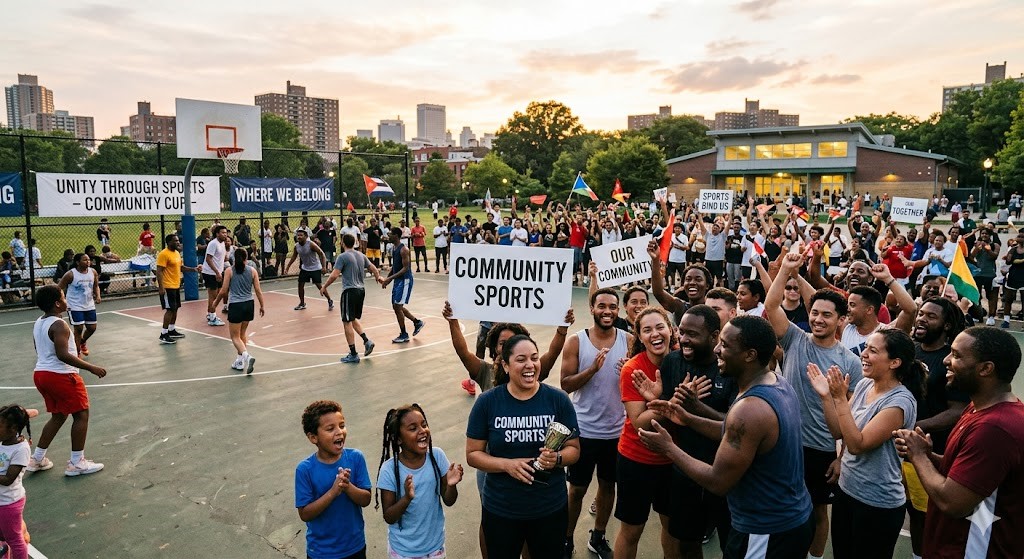
Sports are the ultimate community builder because they bring people together in ways few other activities can. They create shared experiences, emotional connections, and lasting relationships across different backgrounds, cultures, and generations. Whether it is a local youth team, a high school rivalry, or a global championship event, sports unite people through common passion and collective identity.
In today’s world, where division and isolation often dominate headlines, sports continue to serve as a powerful force for connection. They create spaces where people celebrate together, struggle together, and support one another.
From neighborhood parks to massive arenas hosting events like the Olympic Games, sports build communities at every level of society.
Shared Identity Creates Strong Bonds
One of the biggest reasons sports build communities so effectively is shared identity.
Fans and athletes rally around teams, schools, cities, and countries. This shared loyalty creates an immediate connection between people who may otherwise have little in common.
When fans wear the same colors, cheer for the same players, and celebrate the same victories, they feel like part of something bigger than themselves.
This sense of belonging is powerful.
For example, supporters of teams like the Green Bay Packers often describe the team as part of their identity and culture.
This creates emotional investment that strengthens community ties over time.
Sports Bring People Together Across Differences
Sports have a unique ability to bridge social divides.
People from different economic backgrounds, political beliefs, cultures, and age groups can all unite around a game.
Inside a stadium or gym, those differences often fade into the background.
Fans focus on the shared experience rather than personal divisions.
This ability to unite diverse groups is one of the most valuable aspects of sports culture.
It creates understanding, interaction, and mutual respect among people who might never connect otherwise.
In many ways, sports provide common ground in an increasingly divided world.
Youth Sports Strengthen Local Communities
Youth sports play a massive role in community development.
Local leagues bring families together regularly. Parents volunteer, coaches mentor athletes, and communities gather to support young players.
These interactions build relationships that extend beyond the field.
Friendships form between families. Businesses sponsor teams. Schools and parks become gathering places.
Youth sports also teach children valuable social skills, including teamwork, communication, and accountability.
These lessons strengthen communities over the long term by developing responsible and connected individuals.
Additionally, youth sports often create positive environments that keep children engaged in healthy activities.
Sports Create Traditions and Memories
Communities thrive on tradition.
Sports provide recurring events and shared memories that connect generations.
Families pass down team loyalties from parents to children. Friends gather annually for tournaments, championships, and rivalry games.
These traditions become part of community culture.
For example, events like the Super Bowl bring millions of people together every year through watch parties and celebrations.
The memories created during these moments strengthen emotional bonds between individuals and communities.
Over time, sports traditions become woven into the identity of entire regions.
Local Pride and Civic Identity
Sports often represent cities and regions on a national or global stage.
When local teams succeed, communities feel pride and excitement.
This civic identity creates unity.
Fans celebrate not just the team, but also what the team represents about their city or region.
Championship victories can energize entire communities and create lasting emotional moments.
For example, the success of the Chicago Cubs in ending their historic championship drought united generations of fans in celebration.
Sports give communities symbols and stories they can rally around together.
Volunteerism and Community Involvement
Sports rely heavily on volunteers and community support.
Coaches, referees, event organizers, and team supporters all contribute time and energy.
This involvement creates stronger social networks.
People who volunteer in sports often develop deeper ties to their communities.
These relationships increase trust and cooperation among residents.
Community sports programs also encourage leadership and civic engagement.
As a result, sports strengthen both social and organizational structures within communities.
Sports Teach Teamwork and Cooperation
One of the most important lessons sports teach is teamwork.
Athletes learn how to work toward shared goals, support teammates, and handle challenges collectively.
These lessons extend far beyond competition.
Communities function best when people cooperate and support one another.
Sports reinforce these values through direct experience.
Athletes learn that success depends on communication, trust, and shared effort.
This mindset contributes to healthier and more connected communities overall.
Emotional Connection Through Shared Experiences
Sports create powerful emotional moments.
Victories, losses, comebacks, and dramatic finishes all generate intense reactions.
Experiencing these emotions with others strengthens human connection.
Fans celebrate together after big wins and support one another after difficult losses.
These shared emotional experiences create lasting bonds.
In many cases, sports memories become tied to important life moments and relationships.
This emotional depth is one reason sports communities remain strong over generations.
Sports as a Tool for Social Change
Sports have often played important roles in social progress.
Athletes and teams frequently use their platforms to raise awareness about important issues.
Figures like Jackie Robinson and Billie Jean King helped drive social change through sports.
Their impact extended far beyond competition.
Sports also create opportunities for conversations about equality, inclusion, and justice.
Because sports attract large audiences, they can influence public opinion and inspire action.
This ability to spark change further strengthens their role within communities.
Economic Impact on Communities
Sports also contribute economically.
Local tournaments, school events, and professional games generate business activity.
Restaurants, hotels, retail stores, and transportation services all benefit from sports-related traffic.
Large sporting events can significantly boost tourism and local revenue.
For example, cities hosting events like the Olympic Games often experience major economic activity.
This financial impact supports jobs and local businesses.
As a result, sports become deeply connected to community development and stability.
Creating Safe and Positive Spaces
Sports programs often provide safe environments for young people and families.
Community leagues and recreational programs give individuals structured activities and supportive mentorship.
These environments help reduce isolation and encourage positive behavior.
Coaches frequently serve as role models and mentors.
Teammates provide friendship and support.
This sense of belonging can have a profound impact on personal development and mental well-being.
Communities with strong sports programs often experience stronger social cohesion overall.
Global Connections Through Sports
Sports also connect communities internationally.
Global events bring together people from around the world through shared passion and competition.
The FIFA World Cup and the Olympic Games unite nations through sport in ways few other events can.
Fans learn about different cultures while supporting athletes and teams.
This global interaction promotes understanding and appreciation across borders.
Sports therefore build not only local communities, but global ones as well.
Digital Communities and Modern Fan Culture
Technology has expanded sports communities even further.
Fans now connect online through forums, podcasts, social media, and streaming platforms.
These digital communities allow supporters from different countries to interact instantly.
Fans discuss games, share opinions, and celebrate victories together regardless of location.
This modern fan culture creates global networks built around shared sports interests.
Technology has therefore amplified the community-building power of sports dramatically.
Why Sports Continue to Unite People
At their core, sports are about shared human experience.
Competition creates drama, emotion, and connection.
People naturally come together around stories of effort, teamwork, perseverance, and achievement.
Sports provide hope, excitement, and belonging.
They create opportunities for interaction in a world where genuine connection is increasingly valuable.
That is why sports continue to thrive across cultures and generations.
Final Thoughts
Sports are the ultimate community builder because they connect people emotionally, socially, and culturally.
They create shared identities, traditions, and experiences that strengthen relationships and communities.
From local youth leagues to global events like the Olympic Games and the FIFA World Cup, sports unite people in powerful ways.
They teach teamwork, encourage civic pride, and create lasting memories.
Most importantly, they remind people that they are part of something larger than themselves.
In a world that often feels fragmented, sports continue to bring communities together better than almost anything else.