
Why Women’s Sports Media Is Booming
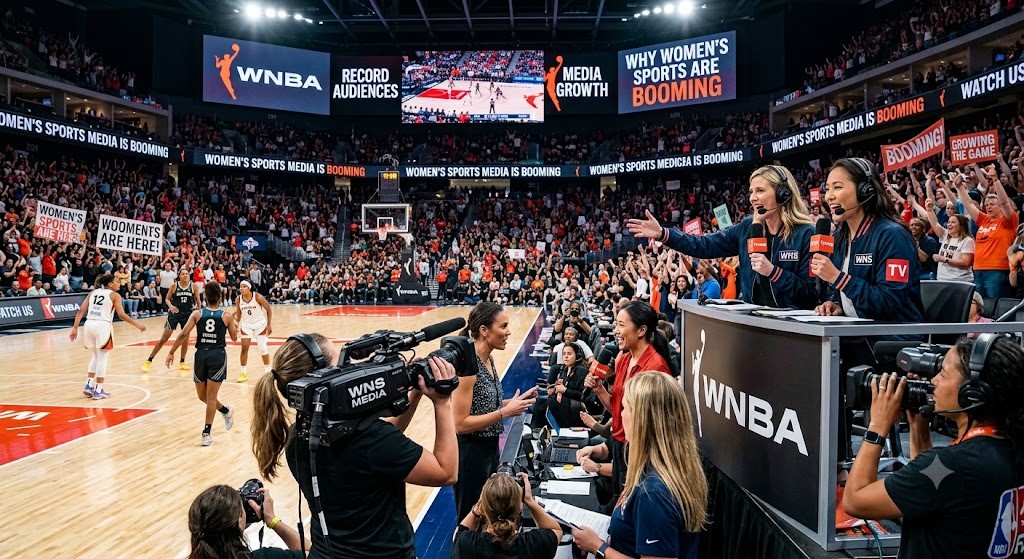
Why Women’s Sports Media Is Booming
Women’s sports have entered an exciting new era of growth. What was once considered a niche segment of the sports industry has become one of the fastest-growing areas in sports media. Television ratings continue to rise, attendance records are being broken, sponsorship investments are increasing, and digital engagement has reached unprecedented levels.
This surge in popularity is not the result of a single event. Instead, it reflects years of investment by athletes, leagues, broadcasters, sponsors, and fans who have worked to elevate women’s sports. As more people discover the incredible skill, competitiveness, and compelling stories found across women’s athletics, media coverage has expanded to meet growing demand.
Today, women’s sports are generating larger audiences than ever before. From basketball and soccer to tennis, volleyball, golf, hockey, and many Olympic sports, female athletes are attracting worldwide attention and reshaping the future of sports media.
Understanding why women’s sports media is booming reveals how changing audiences, improved accessibility, and greater investment are transforming the global sports landscape.
Audience Interest Has Reached New Heights
One of the biggest reasons women’s sports media continues to grow is simple: fans are watching.
Television ratings for major women’s sporting events have increased significantly over the past several years.
Attendance at professional and collegiate competitions has reached record levels.
Streaming platforms have introduced women’s sports to entirely new audiences.
As viewership increases, broadcasters naturally devote more coverage to women’s athletics.
Media organizations respond to audience demand.
Growing interest creates additional programming, which attracts even more fans.
This positive cycle continues fueling rapid growth throughout the industry.
More Media Coverage Creates More Fans
For many years, limited media coverage reduced public awareness of women’s sports.
Fans cannot follow leagues and athletes they rarely see.
Today, that situation has changed dramatically.
Television networks, streaming services, websites, podcasts, and social media platforms provide substantially more coverage than ever before.
Greater visibility introduces new fans to exciting competitions.
As audiences become more familiar with teams and athletes, long-term interest grows.
Expanded media coverage has become one of the primary drivers of participation and fan engagement.
Social Media Has Changed Everything
Social media has transformed how athletes connect with fans.
Female athletes now communicate directly with millions of followers around the world.
Platforms allow players to share:
- Training routines
- Game highlights
- Personal stories
- Community involvement
- Behind-the-scenes experiences
These connections build stronger relationships with fans.
Athletes no longer depend solely on traditional media for exposure.
Social media has democratized sports storytelling while increasing the visibility of women’s athletics.
Digital engagement continues expanding global audiences.
Star Athletes Attract Massive Audiences
Every sport benefits from recognizable stars.
Women’s sports now feature athletes who have become global icons through their performances, personalities, and leadership.
Stars inspire new fans, attract sponsors, and generate media attention.
Their success extends beyond competition.
Many athletes advocate for youth participation, equality, education, and community development.
These broader contributions increase public interest.
As more stars emerge across different sports, media coverage naturally expands.
Increased Investment Has Improved Competition
Investment has played a major role in the growth of women’s sports.
Professional leagues, governing bodies, sponsors, and broadcasters have increased financial support.
Improved investment provides:
- Better facilities
- Enhanced coaching
- Expanded marketing
- Improved player development
- Greater competitive opportunities
Higher-quality competition attracts larger audiences.
Fans enjoy watching elite athletes perform at the highest level.
Continued investment strengthens every aspect of women’s sports.
Corporate Sponsors Recognize the Opportunity
Businesses increasingly recognize the value of partnering with women’s sports.
Sponsors understand that growing audiences create powerful marketing opportunities.
Corporate partnerships provide financial support while increasing visibility.
Companies benefit from association with inspiring athletes and rapidly growing leagues.
Sponsorship revenue helps improve facilities, expand marketing campaigns, and enhance fan experiences.
The relationship benefits athletes, organizations, businesses, and fans alike.
Streaming Platforms Expand Access
Streaming services have dramatically increased access to women’s sports.
In the past, many competitions received little or no television coverage.
Today, fans can watch events from almost anywhere in the world.
Greater accessibility removes barriers that once limited audience growth.
Fans no longer need to rely on traditional broadcast schedules.
On-demand viewing allows supporters to follow their favorite teams more easily.
Streaming technology has become one of the most important factors driving media expansion.
Young Fans Are Driving Growth
Younger audiences have embraced women’s sports enthusiastically.
Many young fans value athletic excellence regardless of gender.
They consume sports through digital platforms, social media, streaming services, and mobile devices.
This generation also enjoys following athletes as individuals.
Personal stories, community involvement, and authentic engagement strengthen fan loyalty.
As younger audiences continue growing, women’s sports media is likely to expand alongside them.
Youth Participation Builds Lifelong Fans
Participation and fandom often develop together.
Millions of girls participate in organized sports worldwide.
Watching elite athletes provides inspiration and motivation.
Young athletes often become lifelong supporters of the sports they play.
Parents, families, and communities also become engaged.
Youth participation therefore contributes directly to audience growth.
As participation increases, so does demand for media coverage.
This relationship creates a sustainable foundation for future expansion.
Storytelling Has Become More Powerful
Modern sports media extends beyond scores and statistics.
Fans want compelling stories.
Women’s sports provide countless inspiring narratives involving perseverance, teamwork, leadership, resilience, and achievement.
Documentaries, interviews, podcasts, and feature stories introduce audiences to athletes’ journeys.
These human stories deepen emotional connections.
When fans understand athletes’ backgrounds and challenges, they become more invested in competitions.
Strong storytelling enhances the overall fan experience.
Competitive Balance Creates Excitement
Many women’s leagues feature outstanding competitive balance.
Championship contenders often emerge from multiple organizations.
Games remain unpredictable.
Close competition increases excitement.
Fans appreciate leagues where numerous teams have realistic opportunities for success.
Competitive balance encourages long-term interest and sustained engagement.
Media organizations benefit from compelling storylines throughout entire seasons.
International Competition Expands Global Audiences
Women’s sports enjoy strong international appeal.
Major global competitions attract audiences from numerous countries.
International tournaments introduce athletes to worldwide audiences.
Fans develop interest in players and leagues beyond their own countries.
Global exposure increases sponsorship opportunities and media coverage.
International success also encourages investment in youth development and professional competition.
The worldwide nature of women’s sports continues supporting media growth.
Technology Has Enhanced Fan Engagement
Technology allows fans to interact with women’s sports in new ways.
Mobile apps, advanced statistics, interactive broadcasts, fantasy sports, and social media discussions create richer experiences.
Fans can access highlights instantly.
Live updates provide constant engagement.
Technology strengthens connections between athletes, teams, media organizations, and supporters.
These innovations help maintain audience interest throughout the year.
Equality Efforts Have Increased Visibility
Efforts to promote greater opportunities in sports have contributed to increased attention for women’s athletics.
Many organizations have invested in expanding coverage, improving facilities, and increasing promotional efforts.
Greater visibility encourages broader participation while introducing new audiences to elite competition.
These initiatives have helped create a more balanced sports landscape.
The result has been increased recognition for athletes and growing public interest.
Broadcasters Recognize Strong Business Potential
Sports broadcasting is driven by audience demand.
As women’s sports generate higher ratings and stronger engagement, networks devote additional resources to coverage.
More broadcasts lead to more advertising opportunities.
Successful programming encourages additional investment.
This business cycle supports continued expansion.
Broadcasters increasingly recognize women’s sports as valuable long-term programming rather than occasional special events.
Athletes Inspire Communities
Women’s sports influence communities far beyond competition.
Athletes frequently participate in youth programs, charitable initiatives, educational outreach, and leadership development.
These activities strengthen relationships with fans.
Communities become emotionally connected to teams and players.
Positive role models attract new audiences while encouraging sports participation.
The impact extends well beyond the playing field.
The Business of Women’s Sports Is Growing
Women’s sports have become an increasingly important part of the global sports economy.
Media rights agreements continue expanding.
Sponsorship investments are increasing.
Merchandise sales have grown substantially.
Attendance records continue to fall as more fans attend live events.
These business trends reinforce one another.
Financial success encourages additional investment, which improves competition and increases audience interest.
The business momentum behind women’s sports continues accelerating.
Challenges Still Remain
Despite remarkable progress, opportunities for continued growth remain.
Some leagues still seek greater media exposure.
Investment levels vary across sports and regions.
Facilities and resources continue improving but are not always equal.
However, the overall direction remains overwhelmingly positive.
Every year brings new milestones in attendance, viewership, sponsorship, and participation.
The continued progress suggests that women’s sports media will remain one of the fastest-growing areas in the industry.
The Future of Women’s Sports Media
The future appears exceptionally bright.
Streaming platforms will continue expanding access.
Social media will strengthen athlete-fan relationships.
Corporate investment is expected to increase.
Youth participation will continue producing future athletes and fans.
Technological innovations will create even more engaging viewing experiences.
Women’s sports are positioned for sustained long-term growth.
Media coverage will likely continue expanding as audiences demand more content.
Final Thoughts
Women’s sports media is booming because fans have embraced the incredible talent, competition, and inspiring stories found throughout women’s athletics. Increased investment, expanded media coverage, streaming technology, corporate sponsorships, and social media have combined to create unprecedented growth across the sports industry.
As audiences continue growing, broadcasters, sponsors, and leagues are investing more heavily in women’s sports than ever before. These investments strengthen competition, improve fan experiences, and create new opportunities for athletes around the world.
Ultimately, the rise of women’s sports media reflects a simple reality: when talented athletes receive greater visibility, fans respond. As participation, investment, and media coverage continue to expand, women’s sports are poised to remain one of the most exciting and influential forces shaping the future of the global sports industry.