
Banana Ball
What the Rise of a New Baseball Twist Says About Sports Entertainment
Introduction: Why a New Baseball Concept Captures Attention
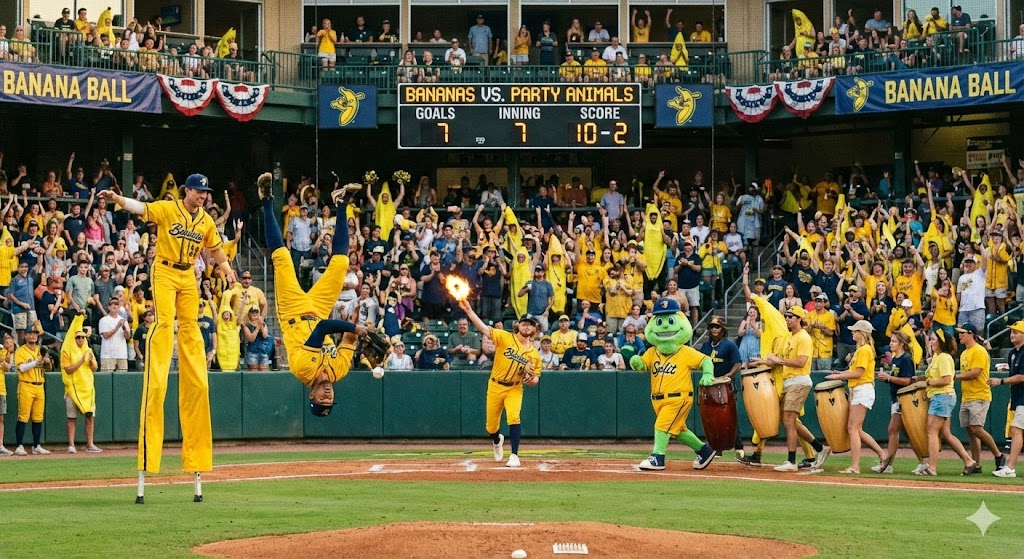
I have watched several short clips on YouTube, and the sport known as Banana Ball immediately stood out. The fast tempo, bright energy, and unexpected antics caught my attention within seconds. The players danced between pitches. The fans cheered nonstop. The entire event felt more like a family festival than a typical baseball game. Although it does not resemble a future version of baseball, it clearly fills its own space. The atmosphere is light. The energy is high. The entertainment flows from start to finish. The show seems designed for families who want fun at a fair price.
The Origin and Inventor of the Unique Baseball Experience
The concept began in Savannah, Georgia. Jesse Cole developed the idea in 2016 after years of promoting collegiate summer baseball. He realized that fans wanted something and that long games and slow action did not connect with younger audiences. He also saw that entertainment mattered more than tradition for many families. Because of that insight, he introduced a product built on nonstop motion, humor, and community. His belief centered on this idea. Sports could entertain while still respecting athletic skill. This simple idea helped the concept grow.
How Innovation Turned a Local Team Into a National Attraction
Cole pushed boundaries early. He explored wild promotions and added stunts. He created characters and even pushed players to express their personalities. Many fans loved the results. Crowds grew because every game offered new surprises. People returned because each event delivered a unique experience. That approach helped his product separate itself from typical baseball. Consequently, the demand increased beyond Savannah. The team expanded from a local feature to a national attraction. Tours soon became a central part of their growth strategy.
The Athletic Skill Behind the Entertainment
The players deserve recognition as well. They are legitimate athletes with real talent. Many have college experience. Several have independent league backgrounds. Others had short stints in professional baseball. Their skills give the product credibility. Yet their stage presence gives the show its heart. They learn dances.and practice comedic bits. They rehearse interactions with fans. It’s important that they stay sharp because timing matters during the games. Balancing athletics with entertainment requires focus. This combination keeps crowds engaged for every inning.
How Many Teams Exist and What the Structure Looks Like
The question often asked is simple. How many teams exist in this format? The answer remains clear. Only one traveling team anchors the operation. The players wear the well-known yellow uniforms. Their opponents include “The Party Animals,” who serve as a consistent foil. Other guest teams sometimes appear. However, everything revolves around one franchise that carries the brand everywhere it travels. This model mirrors touring entertainment groups rather than traditional leagues. Because of this structure, comparisons to the Harlem Globetrotters feel very natural.
Comparing This Baseball Show to the Harlem Globetrotters
The Globetrotters changed basketball by introducing entertainment. They mixed comedy with athletic skill and used choreography and played with audience expectations. They did not rely on a league format. Instead, they offered a touring show. That show still resonates decades later. Much like the Globetrotters, the Savannah Bananas built a product layered with humor, showmanship, and remarkable skill. Their players dance like performers. They move like entertainers. They compete like athletes. This blend creates a balanced experience that welcomes every age group.
Key Differences Between This Concept and the Globetrotters
The differences also matter. The Globetrotters focus heavily on trick basketball moves. Their routines dominate the experience. They do not follow traditional rules. They prioritize comedy. The baseball show, however, still resembles the sport at its core. Pitching matters. Fielding matters. Batting matters. The scoring system follows a new structure, yet the action remains competitive. Players want to win. They celebrate big plays. They treat the sporting element seriously. This balance gives the product more athletic intensity than people expect before seeing it live.
The Rules That Separate This Version of Baseball
Several rule changes create the product’s identity. The rulebook removes boring moments. Batters must stay ready. Pitchers must work fast. Walks turn into sprints. Foul balls caught by fans count as outs. Games use a point system based on innings won rather than total runs. Tie-breakers use one-on-one showdowns between pitcher and hitter. These changes reduce downtime. They also reward athletic creativity. Because the pace never slows, young fans remain engaged. Parents appreciate the short runtime. Families enjoy the steady action from start to finish.
Equipment: What Stays the Same as Traditional Baseball
The equipment stays similar to traditional baseball. Players use standard wooden bats. They also use traditional baseballs. Gloves match what professionals use. Bases and pitching mounds look the same. Uniforms add flair, yet function similarly. Because the equipment remains familiar, the athletic side feels authentic. Fans who love baseball still enjoy the action. People who prefer entertainment still appreciate the humor. This dual-purpose experience strengthens the product’s overall appeal.
MLB’s View and Relationship With This Growing Phenomenon
Major League Baseball recognizes the attention drawn by this touring show. Yet MLB does not appear threatened. The product serves a different purpose. It does not compete directly with MLB. It does not attempt to replace traditional baseball. Instead, it offers an alternate experience focused on fun and creativity. Several former MLB players have even joined the touring group. They enjoy relaxed expectations, constant fan interaction, and a supportive environment. Thus, the show becomes a soft landing spot for players leaving the professional ranks.
How Tryouts Work and What the Staff Looks For
Tryouts attract strong interest each year. The process remains competitive. Participants run drills, field ground balls, show their arms and take batting practice. Coaches evaluate performance. Staff members also watch personality traits. They need athletes who can entertain. They want individuals comfortable with crowds. Timing and charisma matter. Their final selections highlight players with skill and presence. This filtering ensures every show maintains consistent quality.
What Players Earn and Why Compensation Fits the Format
Player salaries vary by role and experience. Yet the organization describes pay as competitive for an entertainment-based operation. The travel schedule remains demanding. The expectations remain high. Players support the brand. They meet fans before and after games and they film social content. They rehearse new routines. Their pay reflects these broader responsibilities. While not comparable to MLB contracts, the compensation fits the entertainment industry model.
Attendance and Growth During 2025
Attendance numbers serve as the clearest indicator of success. Crowds have increased in 2025. Many shows sell out months ahead. Families travel across states to see the event. Social media highlights the experience. Fans share videos. People respond to the energy. Because of this, tour expansions continue. More cities appear on the schedule. Additional dates fill quickly. The organization announces new stops every year. Growth has become the normal expectation.
Media Coverage and Broadcast Exposure
Television coverage remains limited. Traditional sports networks rarely show full games. Highlights appear online. Clips circulate across social platforms. Long form content appears on YouTube. Streaming services may eventually explore the concept. Yet the show thrives without significant broadcast support. It relies on fan energy, direct marketing, and viral content. That approach keeps control in the hands of the organization. It also allows creative freedom that television often restricts.
International Reach and Global Interest
Global awareness continues to rise. The product attracts international viewers through social media. People from several countries watch clips online. Families across the world enjoy short videos. Yet full touring events remain concentrated in the United States. Expansion outside the country could happen later. It would require logistics, partnerships, and long-term planning. Still, the international interest suggests potential growth in the future.
Why Staying Fresh Matters for Long-Term Success
Sustaining momentum requires flexibility. The show must adapt to changing audience expectations. New routines must appear each season. Fresh ideas must rise to the surface. Families want novelty. Kids enjoy surprises. Because of this, the organization introduces new entertainment pieces regularly. They test new concepts and most importantly, they listen to fan feedback. They refine the product based on reactions. This cycle keeps the show relevant.
Does This Format Help or Hurt Traditional Baseball?
Baseball purists sometimes worry that entertainment-focused sports could distract from athletic tradition. Yet this traveling operation does not replace anything. It offers something extra and gives families another reason to enjoy baseball-style action. It might even bring new fans closer to the real sport. Kids who enjoy these shows may later explore traditional baseball. Parents who attend the shows may also visit MLB parks. The relationship between the two forms remains complementary, not competitive.
Why Young Fans Connect With This Unique Baseball Format
Young fans value pace. They want motion. They enjoy characters. This traveling format taps directly into that interest. The environment feels modern. The action feels fast. The players feel human. Fans connect with them. They laugh with them. They cheer for them. This sense of community becomes the product’s core strength. It creates loyalty that grows with every tour.
Similarities and Differences: A Deeper Look at the Globetrotter Comparison
Although comparisons to the Globetrotters remain strong, the baseball show has its own personality. It blends real athletic pressure with humorous creativity. It invites fans into the action. They use music, dancing and strong characters while maintaining genuine competition. The combination feels unique in the sports world. This uniqueness explains its rapid rise.
The Future Outlook and Expansion Possibilities
Sports evolve. Entertainment shifts. Families seek engaging experiences. This traveling show understands these forces. It captures attention through innovation. It respects tradition while bending rules. They celebrate community. That formula has worked since its creation. Its future depends on continued creativity. Its success depends on maintaining the family atmosphere that sparked its rise. If those elements remain strong, expansion will continue. Crowds will follow. Enthusiasm will stay high.
Why the Current Momentum Appears Strong
Now the broader question emerges. What does the future look like for this touring phenomenon? The answer depends on several factors. Fans must remain excited. The organization must continue innovating. Sponsors must support growth. Cities must welcome the events. Players must maintain the right balance of athletic ability and entertainment skill. These variables shape the long-term outcome.
Final Thoughts on Its Place in Modern Sports
Nevertheless, current signs point toward continued success. Social media engagement remains impressive. Attendance trends grow. Family demand rises. Community support remains strong. Kids love the energy. Parents appreciate the value. The organization maintains its identity. This foundation gives the show a strong platform moving forward.
Therefore, the future looks bright. The product stands on its own. It does not challenge MLB. It does not replace baseball. Instead, it offers entertainment for families who want something different. It gives kids a chance to laugh, cheer, and participate. It gives players a chance to shine both as athletes and performers. This dual purpose ensures relevance in a crowded entertainment landscape.
Conclusion: A Concept That Carved Its Own Niche
As 2025 continues, interest should remain steady. Innovation will drive new ideas. Fan feedback will influence changes. The touring model will open fresh markets. More cities will receive shows. More families will attend and more kids will connect with the experience. This growth cycle appears stable. If nothing dramatic shifts, the product will survive and thrive.
The entire operation represents a unique blend of sport and show. It showcases creativity, highlights personality, and pushes tradition in new directions. It entertains every age group. That combination rarely fails. Because of this, the concept stands out in today’s sports world.
My impressions remain consistent. I do not view this format as the future of baseball. I do not expect MLB games to follow these rules. Yet I do appreciate the creativity. I also appreciate the fun it provides. Families deserve enjoyable options. This product fills that space. It gives them something new and energetic. It gives them something worth sharing.
With this understanding, the entire concept finds its place. It becomes a touring entertainment product with a family-friendly experience. It becomes a unique chapter in the evolving landscape of modern sports. With strong fan support, creative leadership, and continued innovation, its presence should remain strong for years to come.