
How Wrestling Backgrounds Shape MMA Careers
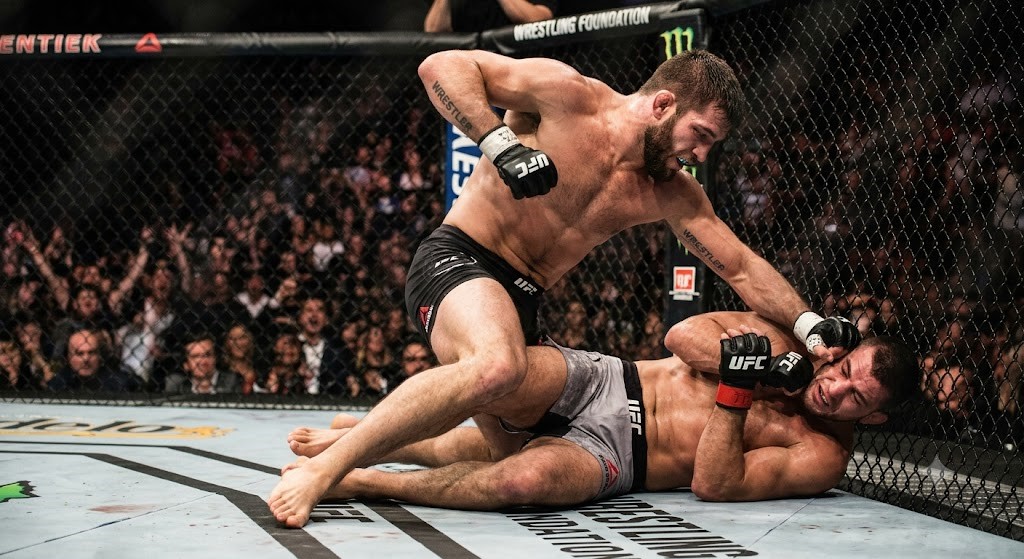
How Wrestling Backgrounds Shape MMA Careers
Mixed martial arts has become one of the fastest-growing sports in the world, bringing together athletes from a wide variety of combat disciplines. Fighters enter the cage with backgrounds in boxing, kickboxing, Brazilian jiu-jitsu, judo, karate, Muay Thai, taekwondo, and wrestling. While every discipline offers unique strengths, wrestling has consistently proven to be one of the most successful foundations for building an elite MMA career.
Throughout the history of the sport, many of the greatest mixed martial artists have relied on wrestling to control fights, dictate where the action takes place, and neutralize dangerous opponents. Wrestlers often possess exceptional conditioning, mental toughness, balance, and the ability to determine whether a fight remains standing or goes to the ground.
From amateur wrestling programs to international competitions and collegiate championships, wrestling develops skills that translate remarkably well into mixed martial arts. While wrestling alone is not enough to become a complete MMA fighter, it provides a foundation that allows athletes to build well-rounded skill sets capable of competing at the highest level.
Understanding how wrestling backgrounds shape MMA careers reveals why so many champions have first developed their competitive instincts on the wrestling mat.
Wrestling Builds Elite Athleticism
One of the greatest advantages wrestlers bring into mixed martial arts is exceptional athletic preparation.
Wrestling demands explosive strength, endurance, agility, flexibility, and balance.
Athletes constantly engage in high-intensity competition that requires both physical and mental endurance.
Training sessions often include:
- Explosive takedown drills
- Strength training
- Cardiovascular conditioning
- Balance exercises
- Grip development
- Live sparring
By the time wrestlers transition into MMA, many already possess the conditioning needed to compete at an elite level.
Their physical foundation often allows them to learn additional martial arts more effectively.
Takedowns Control the Fight
Perhaps the biggest advantage wrestling provides is takedown ability.
A skilled wrestler can often decide where a fight takes place.
If an opponent has superior striking, the wrestler may choose to bring the fight to the ground.
If controlling the pace becomes important, wrestling allows fighters to dictate positioning.
This ability to control location gives wrestlers tremendous strategic flexibility.
Rather than allowing opponents to fight on their preferred terms, wrestlers frequently force them into uncomfortable situations.
Fight control has become one of the defining advantages of wrestling-based MMA competitors.
Wrestling Develops Superior Balance
Balance is one of the most underrated skills in mixed martial arts.
Wrestlers spend years learning how to maintain body control while resisting takedowns.
This training creates exceptional stability.
Good balance helps fighters:
- Defend takedowns
- Recover quickly
- Maintain dominant positions
- Generate power
- Avoid losing control
Superior balance improves performance in nearly every phase of MMA.
It becomes especially valuable during scrambles and transitional exchanges.
Takedown Defense Wins Fights
Not every wrestler relies heavily on offensive takedowns.
Many become exceptional defensive grapplers.
Takedown defense allows fighters to keep the contest standing when that strategy offers an advantage.
Strikers with wrestling backgrounds often use defensive wrestling to prevent opponents from changing levels successfully.
This versatility makes them difficult to prepare for.
The ability both to initiate and defend takedowns provides tremendous tactical freedom.
Wrestling Creates Relentless Conditioning
Few sports demand conditioning quite like wrestling.
Matches involve constant physical engagement with little opportunity for rest.
Athletes develop extraordinary cardiovascular endurance.
This conditioning translates extremely well into mixed martial arts.
Many wrestlers maintain high work rates throughout entire fights.
They pressure opponents continuously.
Fatigue often becomes a decisive factor during later rounds.
Superior conditioning allows wrestling-based fighters to maintain effectiveness while opponents slow down.
Mental Toughness Begins on the Mat
Wrestling has long been recognized for developing mental resilience.
Training is physically demanding.
Competition is highly individual.
Success requires discipline, perseverance, and accountability.
Athletes learn to overcome adversity repeatedly.
These experiences prepare wrestlers for the pressures of professional MMA.
Mental toughness becomes especially valuable during difficult fights.
Competitors who remain composed under pressure frequently outperform equally talented opponents.
The psychological benefits of wrestling extend well beyond physical competition.
Pressure Is a Powerful Weapon
Successful wrestlers excel at applying constant pressure.
Forward movement forces opponents to react continuously.
Pressure creates opportunities for takedowns, clinch exchanges, and positional control.
It also drains opponents physically and mentally.
Many wrestling-based fighters use relentless pace as a strategic weapon.
Rather than relying solely on explosive offense, they gradually wear opponents down.
Consistent pressure often determines the outcome of closely contested fights.
Wrestling Improves Cage Control
Unlike amateur wrestling, MMA takes place inside a cage.
However, many wrestling concepts remain highly effective.
Wrestlers quickly learn to use the cage strategically.
They pin opponents against the fence and defend takedowns.
They create advantageous clinch positions.
Cage control allows fighters to dictate tempo while limiting opponents’ movement.
This skill has become increasingly important in modern mixed martial arts.
Wrestling Builds Transitional Awareness
Mixed martial arts involves constant transitions.
Fighters move between striking, clinching, takedowns, scrambles, and ground exchanges.
Wrestlers often excel during these moments.
Years of grappling experience develop exceptional body awareness.
Athletes recognize opportunities quickly.
They maintain control while adapting to changing situations.
Transitional efficiency frequently separates elite fighters from average competitors.
Wrestling provides an outstanding foundation for mastering these complex exchanges.
Learning Striking Becomes Easier
Many successful wrestlers eventually become effective strikers.
Their wrestling background often accelerates striking development.
Because opponents constantly fear takedowns, striking opportunities naturally increase.
Fighters can disguise punches behind level changes.
Opponents hesitate before committing offensively.
This uncertainty benefits the wrestler.
As striking skills improve, wrestling-based athletes become increasingly dangerous.
The combination of multiple threats creates well-rounded competitors.
Wrestling and Brazilian Jiu-Jitsu Complement Each Other
Modern MMA requires more than wrestling alone.
Brazilian jiu-jitsu complements wrestling particularly well.
Wrestling controls positioning.
Brazilian jiu-jitsu provides submissions.
Together, these disciplines create highly effective ground games.
Many champions combine wrestling with submission grappling.
This combination allows fighters not only to secure takedowns but also to finish opponents.
The integration of multiple grappling styles has become standard among elite competitors.
Collegiate Wrestling Produces MMA Talent
College wrestling programs have become major pipelines into professional mixed martial arts.
Athletes graduate with years of high-level competitive experience.
They have already faced intense pressure.
They understand discipline and preparation.
Many possess outstanding athletic foundations before beginning MMA training.
Professional organizations increasingly recruit athletes from collegiate wrestling backgrounds.
Their transition into MMA often occurs more smoothly than athletes from less physically demanding sports.
International Wrestling Also Contributes
Olympic-style wrestling has produced numerous successful MMA competitors.
International wrestlers bring elite technical skills and extensive competition experience.
Freestyle and Greco-Roman wrestling emphasize different techniques, but both contribute valuable abilities.
International competition also exposes athletes to diverse opponents and styles.
This experience prepares fighters for the global nature of mixed martial arts.
Many international wrestling champions have enjoyed successful professional MMA careers.
Wrestling Encourages Strategic Thinking
Successful wrestlers constantly make tactical decisions.
They evaluate positioning and identify weaknesses.
They adjust strategies throughout competition.
These habits transfer naturally into mixed martial arts.
Fight IQ becomes increasingly important at higher levels.
Athletes who think strategically often outperform physically superior opponents.
Wrestling develops decision-making skills alongside technical ability.
Wrestling Teaches Patience
Not every exchange produces immediate success.
Wrestlers learn to remain patient.
They understand that opportunities develop over time.
Rather than forcing techniques, experienced wrestlers wait for favorable positions.
This patience benefits MMA fighters significantly.
Overcommitting often creates openings for opponents.
Disciplined decision-making reduces unnecessary risk.
Patience becomes especially valuable during championship-level competition.
Adaptability Defines Modern Fighters
Today’s elite MMA competitors rarely rely on a single discipline.
Instead, they blend multiple martial arts together.
Wrestling provides a stable foundation that supports continuous development.
Athletes adapt techniques to suit different opponents and situations.
Versatility has become one of the defining characteristics of successful fighters.
Wrestling encourages this adaptability because it emphasizes problem-solving during live competition.
Wrestling Shapes Championship Mindsets
Championship-level wrestling demands commitment over many years.
Athletes develop habits centered on improvement and accountability.
Daily practice reinforces discipline.
Repeated competition builds confidence.
Success requires consistency rather than occasional brilliance.
These habits transfer naturally into professional fighting.
Many champions credit wrestling with teaching lessons that extend beyond sports.
The mindset developed through wrestling often becomes one of the greatest advantages inside the cage.
Wrestling Is Not the Entire Answer
Although wrestling provides tremendous advantages, it is not enough by itself.
Modern mixed martial arts requires complete skill development.
Elite fighters must also learn:
- Boxing
- Kickboxing
- Brazilian jiu-jitsu
- Muay Thai
- Submission defense
- Cage strategy
The most successful wrestlers embrace continuous learning.
Their willingness to expand beyond wrestling transforms strong athletes into complete mixed martial artists.
The Future of Wrestling in MMA
Wrestling will likely remain one of the most valuable backgrounds in mixed martial arts for years to come.
Youth wrestling participation continues producing talented athletes.
Professional training methods continue evolving.
The integration of wrestling with striking and submission grappling grows increasingly sophisticated.
Future champions will almost certainly continue relying on wrestling fundamentals while adding new technical innovations.
The sport will evolve, but wrestling’s importance is unlikely to diminish.
Final Thoughts
Wrestling backgrounds have shaped countless successful MMA careers by providing elite conditioning, takedown ability, defensive awareness, mental toughness, and strategic control. These qualities give fighters the ability to dictate where fights take place while developing the discipline needed to compete at the highest levels.
Although modern mixed martial artists must master multiple disciplines, wrestling remains one of the strongest foundations upon which championship careers are built. Its emphasis on physical preparation, technical precision, relentless effort, and adaptability continues to produce some of the sport’s most successful competitors.
Ultimately, wrestling has earned its reputation as one of the most valuable pathways into mixed martial arts. As the sport continues to evolve, fighters with strong wrestling foundations will remain among the most difficult competitors to defeat, proving that success often begins long before an athlete ever steps inside the cage.