
Is Electric Racing the Future of Motorsports
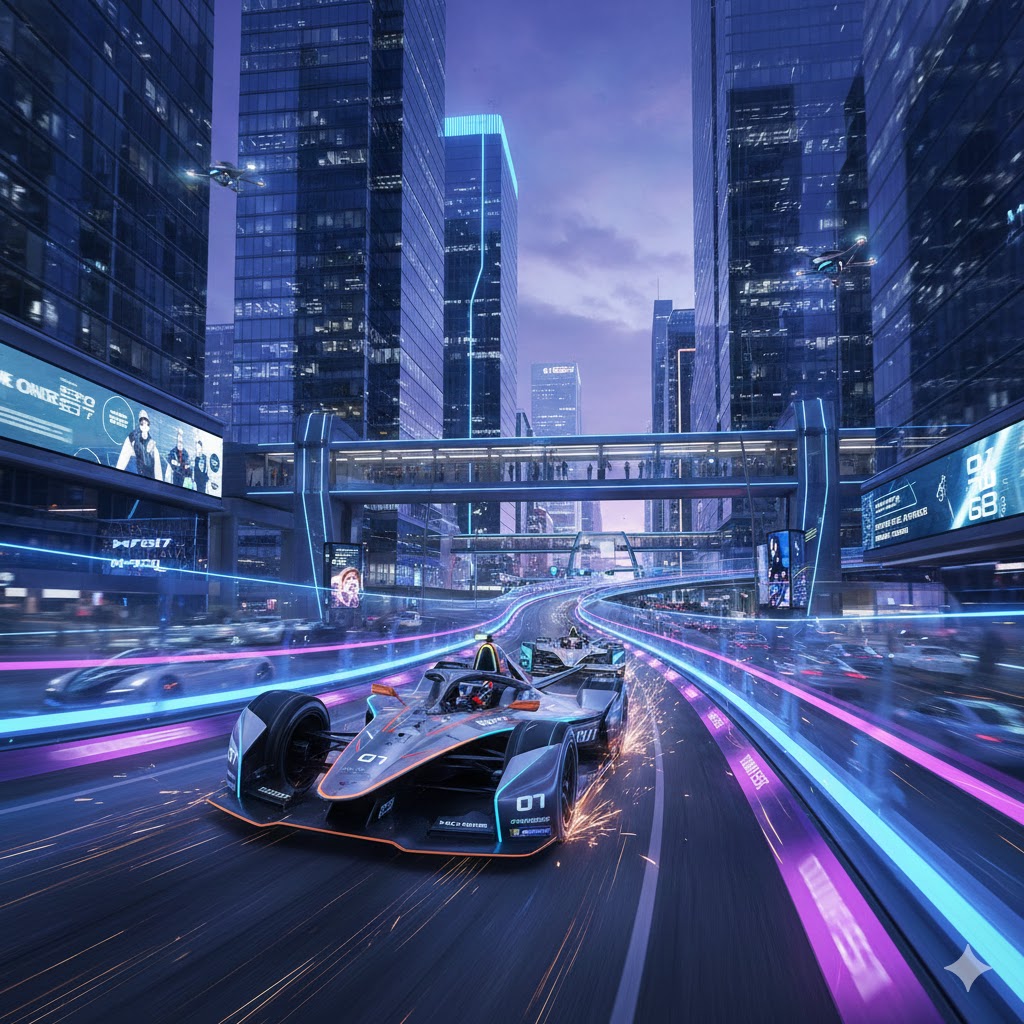
Is Electric Racing the Future of Motorsports?
The question, “Is Electric Racing the Future of Motorsports?” sparks debate across the racing world. Fans, drivers, and manufacturers are watching the shift toward electric vehicles with keen interest. Many believe the transition is inevitable. However, it will not happen overnight. Environmental concerns and technological advancements are driving forces behind this evolution. Yet, cost and tradition remain significant obstacles. This article explores whether electric racing will truly define the future of motorsports, how fans may embrace it, and what changes lie ahead.
The Rise of Electric Racing
Electric racing is no longer just a concept. Innovative series like Formula E and Extreme E are pushing boundaries. The technology has improved dramatically in the last decade. Batteries now store more energy, motors deliver higher power, and performance matches traditional internal combustion engines in many aspects. Manufacturers are investing heavily, signaling a serious commitment to electric motorsports. Fans may notice differences in sound and style, but the thrill of racing persists. Transitioning to electric may redefine the sport without eliminating the adrenaline.
Environmental awareness is perhaps the biggest motivator. Racing has historically relied on fossil fuels. The growing focus on sustainability challenges this model. Motorsports are being forced to innovate or risk losing public support. Electric vehicles offer a cleaner, quieter alternative. This shift aligns with global trends in automotive manufacturing. As technology improves, electric cars will continue to outperform older models, making electric racing increasingly attractive.
Technological Innovation Drives Change
Technology is advancing at an unprecedented pace. High-capacity batteries, regenerative braking, and advanced aerodynamics are transforming the sport. Electric racing pushes engineers to innovate continuously. Teams must optimize energy management and efficiency to win races. Unlike traditional motorsports, strategy now includes energy conservation. This adds a new layer of skill and excitement. Fans may eventually appreciate these unique challenges just as much as speed and overtakes.
Electric racing also provides a testing ground for commercial EV technology. Lessons learned on the track often transfer to consumer vehicles. Improvements in battery life, charging speed, and reliability benefit everyday drivers. In this way, motorsports act as a laboratory for automotive progress. The influence goes beyond the track, shaping the industry and broader environmental awareness.
Costs: A Barrier to Adoption
Despite progress, cost remains a significant hurdle. High-tech batteries, electric motors, and safety systems require substantial investment. Teams may struggle to compete without large budgets. For smaller organizations, this can delay adoption. Fans might perceive electric racing as less accessible or overly corporate. Over time, however, costs are expected to decrease. As technology becomes mainstream, electric vehicles will be more affordable. The initial expense may slow growth, but it will not prevent it.
Fan Experience and Acceptance
Some traditionalists worry that electric racing lacks the visceral appeal of combustion engines. The roar of a V8 or V12 is iconic. Yet, fans are adaptable. Over time, they will likely embrace electric racing the same way they embraced other technological innovations. Electric cars offer instant torque, precise handling, and quieter, more strategic races. Spectators may eventually prefer these unique characteristics. Additionally, the environmental angle may attract a younger, sustainability-conscious audience. This can expand motorsports’ global reach.
Comparing Electric to Traditional Racing
From a pure racing standpoint, the differences are subtle. Performance, speed, and competition remain intense. Only the source of power changes. Drivers still need skill, strategy, and courage. Electric racing adds the challenge of energy management, which can make races more unpredictable. Teams must balance speed and efficiency while adapting to evolving track conditions. Fans witnessing this will see races that are just as exciting, if not more so.
Electric racing is not a replacement for tradition, at least not yet. Many circuits continue to host conventional racing events. Hybrid approaches, combining electric and internal combustion, may exist for decades. The transition will be gradual, allowing fans, drivers, and teams to adapt. Eventually, electric racing may become the norm, but the journey will be measured and deliberate.
Growth Potential
The future of electric racing appears strong. Manufacturers, teams, and governments are investing heavily. Young drivers are entering the sport with electric experience. Leagues will continue to expand globally, introducing new formats and challenges. As technology matures, costs decrease, and public interest grows, electric racing could dominate motorsports entirely. However, growth will be steady rather than explosive. Fans and teams will need time to adjust to new norms.
Electric racing’s potential goes beyond performance. It represents a shift in culture, technology, and sustainability. As more people embrace EVs in daily life, the appeal of watching electric cars compete increases. Sports enthusiasts are likely to follow trends in automotive innovation. Electric racing aligns with broader societal movements, making it relevant beyond the track.
Cultural and Environmental Impact
Racing has always influenced culture. Electric racing takes this influence to a new level. By promoting clean energy, it highlights environmental responsibility. Fans, sponsors, and cities hosting events gain exposure to sustainability. This creates a feedback loop, encouraging wider adoption of electric vehicles. Moreover, it fosters innovation in related industries. Battery development, energy storage, and charging infrastructure all benefit from the spotlight racing provides.
Electric racing also encourages inclusivity and accessibility. Quieter cars reduce noise pollution, allowing urban circuits in more locations. Remote or previously unsuitable areas can now host races. Extreme E, for instance, combines adventure with environmental awareness, promoting global awareness of climate challenges. This demonstrates how motorsports can educate while entertaining.
Challenges Still Ahead
Despite its promise, electric racing faces hurdles. Cost and infrastructure remain the largest barriers. Charging stations, battery recycling, and technology investment require significant resources. Fans may take time to appreciate quieter cars. Some traditional motorsports enthusiasts may resist change. Bridging these gaps will take creativity, planning, and patience. Organizers must balance innovation with respect for motorsports heritage.
Additionally, performance expectations will continue to grow. Fans expect close competition, thrilling overtakes, and strategic depth. Electric vehicles must deliver these consistently. Teams will need to push technology without sacrificing fairness or safety. Only by meeting these expectations can electric racing cement its legitimacy.
The Inevitable Shift
Ultimately, the question “Is Electric Racing the Future of Motorsports?” leans toward yes. The shift is inevitable. Environmental awareness, technological progress, and manufacturer investment point to a clear trajectory. Fans may initially resist, but history shows audiences adapt. The sport itself will evolve, embracing new challenges without losing excitement. Over time, electric racing will define the standard.
Technology and culture will continue to intertwine. As electric cars improve, races will become more thrilling. Spectators will witness innovation firsthand. Racing strategies will adapt to energy efficiency, battery management, and sustainable practices. This adds layers of complexity for drivers, teams, and fans. The sport will remain exciting while reflecting the future of mobility.
Conclusion
Electric racing is no longer hypothetical. Its growth is steady and deliberate. Environmental concerns and technological innovation drive adoption. Costs and tradition slow it down but cannot stop it. Fans, teams, and manufacturers will eventually embrace electric racing as the norm. From a performance standpoint, competition remains fierce, thrilling, and strategic. The cultural and environmental impacts extend far beyond the track.
The question “Is Electric Racing the Future of Motorsports?” may soon have a definitive answer. While the transition will take years, the trajectory is clear. Electric racing represents the evolution of motorsports, blending speed, skill, sustainability, and innovation. As fans adapt, technology advances, and leagues expand, electric racing will shape the next era of motorsports.
The future of racing is electric, and motorsports will never look the same.