
Standing Block Chop
The Power and Precision of the Standing Block Chop
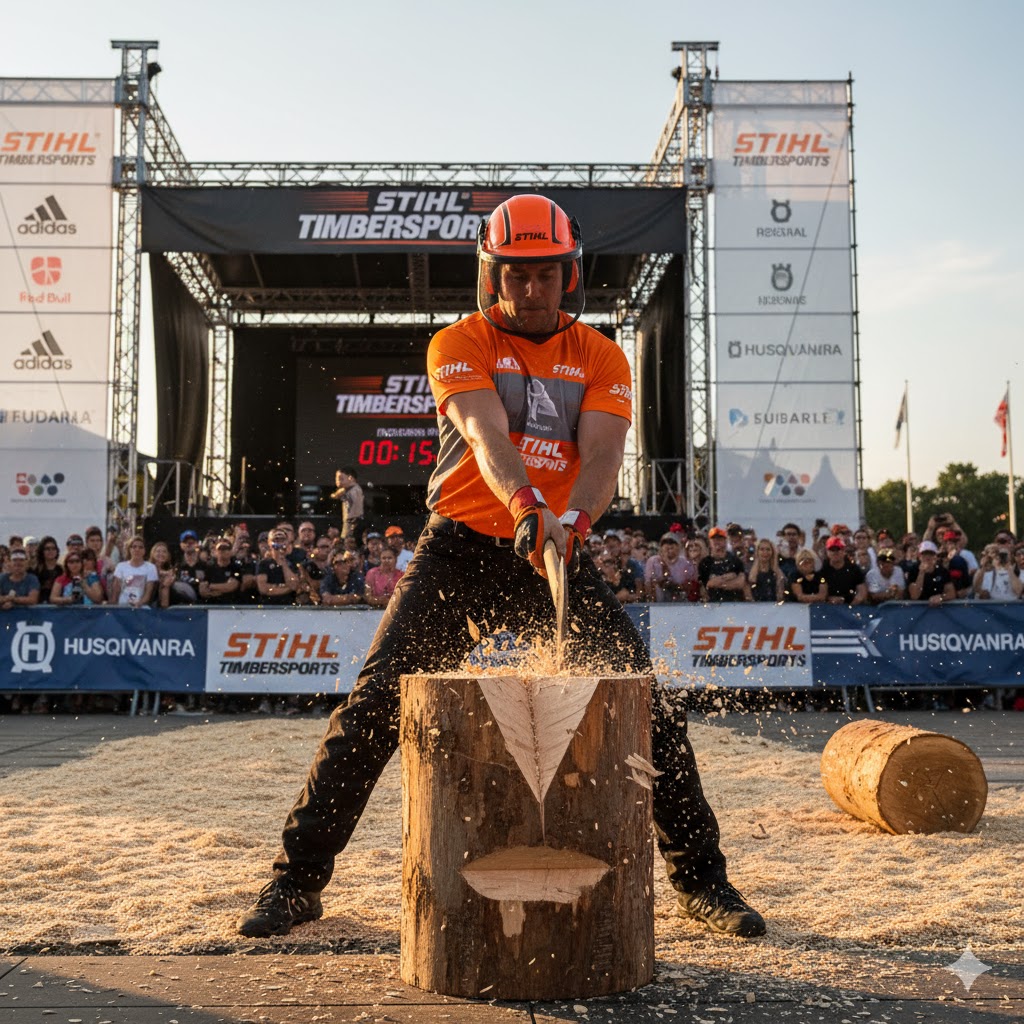
The Standing Block Chop is one of the most thrilling and physically demanding events in the world of woodchopping sports. Combining raw strength, flawless technique, and precision timing, this event tests both endurance and skill. Originating from the rugged traditions of lumberjacks, it evolved into a competitive sport that commands global respect. Today, men and women from around the world train for years to master this event. Fans are drawn by its intensity, athleticism, and dramatic displays of power.
In this article, we’ll explore the fascinating origin of the Standing Block Chop, its global growth, and how it’s played from amateur levels to elite competitions. We’ll also examine its cultural, social, and political significance and explain the official rules that define this exciting discipline.
The Origins and History of the Standing Block Chop
The story of the Standing Block Chop begins deep in the forests of the 19th century. During that time, lumberjacks in Australia, New Zealand, Canada, and the United States worked long hours felling giant trees by hand. Their tools were simple—axes and saws—but their skill was extraordinary.
To break the monotony of their daily labor, these workers began challenging one another to contests of speed and accuracy. They would race to chop through logs as quickly as possible. Over time, these informal challenges became organized events. The Standing Block Chop emerged as one of the premier tests of a lumberjack’s ability.
Historians believe that the event originated in Tasmania in the late 1800s. The earliest recorded competition occurred in the small town of Ulverstone, where local loggers gathered to determine who could split a vertical log the fastest. The competition soon spread across Australia and New Zealand, becoming a highlight at agricultural fairs and timber carnivals.
By the early 20th century, woodchopping had developed into a structured sport. Rules, divisions, and standardized equipment were introduced. The Standing Block Chop gained recognition as one of the most prestigious events in the world of timber sports. Its popularity crossed oceans, reaching North America and eventually Europe.
The sport’s growth mirrored the pioneering spirit of its origins. It celebrated self-reliance, hard work, and a respect for nature. Competitors became folk heroes, embodying the physical toughness and mental discipline valued in rural life. Even as technology transformed logging, the sport preserved its old-world craftsmanship and traditions.
Global Popularity of the Standing Block Chop
Today, the Standing Block Chop enjoys global appeal. While it remains most popular in countries with strong timber industries, it has also captivated urban audiences.
In Australia and New Zealand, the sport is part of national identity. Woodchopping events draw thousands of spectators at major agricultural shows, such as the Sydney Royal Easter Show and the Royal Adelaide Show. Competitors train year-round and represent multiple generations of families devoted to the sport. Television coverage and sponsorships have helped elevate it from a regional pastime to an international spectacle.
In North America, the event forms a core part of the STIHL TIMBERSPORTS® Series, a global competition circuit that showcases elite lumberjack athletes. The Standing Block Chop ranks among the six traditional disciplines contested in the series. Crowds in Canada and the United States pack arenas to witness the precision and power of athletes swinging razor-sharp axes at lightning speed.
Europe has also embraced the sport. Countries like Germany, the Czech Republic, and Sweden host national championships that feed into world-level contests. Interest has spread to parts of Asia as well. Japan and Malaysia have seen growing participation from local athletes inspired by international competitions.
The rise of social media and streaming platforms has further boosted visibility. Short clips of competitors driving axes through massive blocks of wood in under 30 seconds attract millions of views. The combination of spectacle, danger, and skill appeals to modern audiences seeking authentic, action-filled sports.
As environmental awareness increases, the sport has also emphasized sustainability. Organizers use responsibly sourced logs and promote reforestation efforts. This approach reassures fans that the sport respects the forests from which it was born.
Amateur Standing Block Chop Around the World
At the amateur level, the Standing Block Chop serves as both a community tradition and a developmental platform. In many rural areas, woodchopping remains a family activity passed from one generation to the next.
Youth programs and junior divisions nurture new talent. In Australia, for instance, woodchopping clubs often host training camps for children as young as ten. Young athletes learn the fundamentals of stance, swing, and timing before progressing to heavier logs. These programs teach safety, respect for equipment, and sportsmanship.
Schools in forestry regions sometimes include introductory woodchopping workshops as part of physical education or cultural heritage programs. In New Zealand, school-level competitions help keep the sport alive in small towns. Young competitors gain confidence while celebrating their community’s working-class roots.
In the United States, collegiate lumberjack teams represent universities in intercollegiate timber sports associations. Students from forestry and environmental science programs often compete in these events, blending academic knowledge with physical skill. The camaraderie and teamwork mirror traditional lumber camps, while competition fosters personal discipline.
Europe’s amateur scene is growing steadily. Local clubs in Germany and Scandinavia organize open events that welcome newcomers. These grassroots competitions encourage participation regardless of age or gender. Safety standards and coaching ensure that the sport remains accessible while maintaining professional discipline.
Online communities also help amateurs learn and connect. Tutorials, live-streamed events, and digital coaching sessions enable aspiring athletes to refine their skills. This modern approach expands the sport beyond its traditional rural boundaries.
Amateur woodchopping plays a vital role in preserving cultural identity. Each swing of the axe connects athletes to a legacy of endurance, pride, and self-sufficiency.
Professional Leagues and Global Competitions
The professional level of the Standing Block Chop features some of the world’s most skilled and conditioned athletes. Competitors train year-round, focusing on technique, strength, and precision.
The STIHL TIMBERSPORTS® Series stands as the premier global league for professional woodchopping. Founded in the 1980s, this series includes athletes from over 20 countries. It features six disciplines: the Standing Block Chop, Underhand Chop, Springboard, Single Buck, Stock Saw, and Hot Saw. The Standing Block Chop remains one of the most anticipated events due to its combination of power and accuracy.
In this competition, athletes face identical logs of standardized size and density. Each must chop through the block as quickly as possible while maintaining safety and form. The winner often finishes in less than 20 seconds.
Australia hosts its own professional circuits as well, such as the Australian Axemen’s Association Championships. These events attract large audiences and substantial prize money. New Zealand’s elite choppers, many of whom come from multigenerational woodchopping families, regularly dominate international rankings.
In North America, the Lumberjack World Championships in Hayward, Wisconsin, and the Canadian Open Woodchopping Championship continue to showcase the best talent from both continents. These contests highlight not only athletic ability but also craftsmanship. Competitors often design and maintain their own axes, customizing them for balance, sharpness, and cutting angle.
Europe’s professional scene has grown rapidly over the past two decades. The European Championships, held annually, feature athletes from Germany, Switzerland, and the Nordic nations. European choppers have closed the gap with their Australasian counterparts, displaying increasing skill and professionalism.
Professional woodchoppers have also become media personalities. Their appearances on sports networks, documentaries, and social media have elevated the sport’s profile. Sponsorship deals, brand partnerships, and fan followings have transformed elite choppers into modern athletes recognized for their discipline and artistry.
The Political and Social Significance of the Sport
The Standing Block Chop carries deep political and social meaning beyond competition. It represents the heritage and identity of working-class communities worldwide.
In Australia and New Zealand, the sport symbolizes resilience and hard work—values central to national culture. Woodchopping champions are celebrated as local heroes. Their achievements highlight the dignity of manual labor and the pride of rural traditions. Many politicians attend major events to show solidarity with these communities, emphasizing the sport’s cultural importance.
Socially, the sport promotes inclusivity and gender equality. Women’s divisions have gained prominence, showcasing incredible athleticism and precision. Female athletes like Amanda Beams and Martha King have become ambassadors for women in timber sports. Their success inspires broader participation and challenges outdated stereotypes.
The Standing Block Chop also fosters community unity. Local festivals featuring woodchopping events draw diverse audiences. They create shared experiences that bridge urban and rural divides. In small towns, these competitions support local economies by attracting tourism and preserving traditional crafts.
Politically, the sport intersects with environmental debates. Modern woodchopping organizations advocate for sustainable forestry practices. They collaborate with conservation groups to ensure responsible wood sourcing and reforestation. These partnerships demonstrate that tradition and sustainability can coexist.
Culturally, the event embodies the human connection to nature. Every chop echoes a balance between strength and respect for the environment. The sport’s preservation reminds future generations that skill, discipline, and respect for natural resources are timeless values.
The Official Rules of the Standing Block Chop
Although thrilling to watch, the Standing Block Chop is governed by precise and detailed rules. These regulations ensure fairness, safety, and consistency across all levels of competition.
Each competitor faces a solid vertical log, typically around 27 to 30 centimeters in diameter. The log is secured upright using a stand or bracket designed to mimic a tree trunk. Before starting, competitors inspect the log for defects and mark their chopping faces.
Athletes must use an approved axe, which usually weighs between 2.5 and 3 kilograms. Each competitor swings alternately from one side of the log to the other, cutting a V-shaped notch on each face. The goal is to completely sever the log in the shortest possible time.
Competitors may not move or rotate the log once the event begins. The starting signal, often a buzzer or whistle, marks the beginning of timed competition. Judges observe closely to ensure that safety protocols are followed. Protective gear, such as eye protection and steel-toe boots, is mandatory.
Timing stops the instant the log separates into two pieces. If a competitor fails to cut through completely, the attempt is disqualified. The fastest legal time determines the winner.
Events are divided into weight and skill categories, from junior to professional divisions. At major competitions like STIHL TIMBERSPORTS®, identical logs are prepared to eliminate variations. Precision, rhythm, and balance are critical. Over-swinging wastes energy, while poor aim can cost vital seconds.
Training involves endless repetition to perfect accuracy. Athletes spend years refining swing mechanics, foot positioning, and follow-through. Many incorporate strength training, cardio, and flexibility exercises to improve performance.
Despite its simplicity, the Standing Block Chop demands extraordinary coordination. Competitors must read the wood grain, control each strike, and maintain consistent rhythm. One mistimed blow can ruin the entire effort. The best choppers make it look effortless, yet every successful cut is a product of immense preparation and concentration.
The Modern Evolution of the Sport
Technology and global media have transformed the Standing Block Chop from a regional tradition into a professional spectacle. High-speed cameras capture each swing in slow motion, allowing fans to appreciate the skill involved.
Sponsors have invested heavily, turning elite woodchoppers into brand ambassadors. Broadcasting deals ensure that major events reach millions of viewers worldwide. The rise of digital streaming has introduced the sport to new audiences, including urban fans who might never have seen it live.
Equipment has evolved as well. Axes are now crafted with aerospace-grade steel and balanced handles. Safety gear and training methods have advanced, reducing the risk of injury. Yet the spirit of the sport remains unchanged—athletes still rely on strength, precision, and respect for tradition.
Cultural festivals and heritage celebrations frequently feature woodchopping exhibitions. These events connect spectators to the sport’s origins while demonstrating its ongoing vitality. International collaboration between leagues has created a unified calendar, culminating in world championship events that draw top competitors from every continent.
The Standing Block Chop continues to inspire younger generations. Schools, clubs, and professional leagues all work together to preserve its traditions while promoting innovation. As new athletes join the ranks, they carry forward a legacy that honors the past and celebrates the future.
Conclusion
The Standing Block Chop is more than a contest of strength and speed. It’s a living symbol of craftsmanship, endurance, and human connection to nature. From its humble beginnings in the logging camps of Tasmania to its global prominence in modern timber sports, the event has retained its authenticity.
Amateur choppers keep local traditions alive, while professionals push physical limits on international stages. The sport unites communities, transcends borders, and represents the spirit of hard work and precision. Its social and political significance reflects the values of determination, equality, and environmental respect.
Rules ensure fairness and safety, while the athletes themselves demonstrate the artistry behind each perfectly placed swing. Whether at a rural fair or a world championship arena, the Standing Block Chop continues to captivate audiences.
In every swing lies a story—a story of human power, focus, and tradition carved into the heart of wood. The legacy of the sport endures, proving that timeless skills and modern athleticism can exist side by side, inspiring generations to come.