
The Resurgence of Heavyweight Boxing
The Resurgence of Heavyweight Boxing
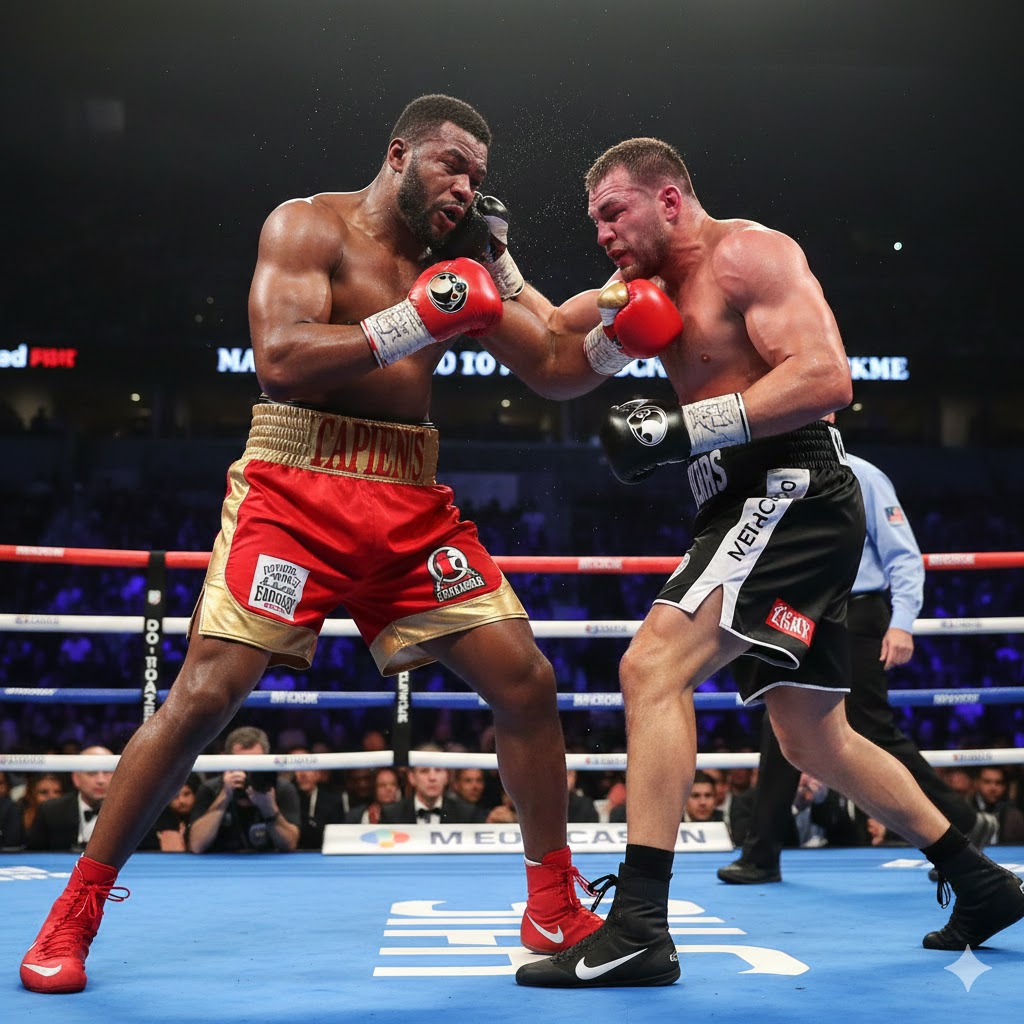
The world of combat sports moves fast. Yet one topic grabs attention everywhere. The resurgence of heavyweight boxing has become one of the most talked-about trends in sports today. Many fans sense real momentum. Many also see a wave of media hype pushing the story forward. Even so, the energy surrounding boxing’s biggest division feels stronger than it has in years. Because of that, fans are paying attention again. Promoters are pushing harder. Fighters are fighting smarter. Most importantly, the heavyweight division finally feels alive.
Interest in the division rises for many reasons. Exciting matchups matter. Better promotion matters. Increased global exposure matters. Put all of these together and you get a division many people thought was fading. Boxing’s oldest division is climbing back into the spotlight. This time, it may stay there.
A New Spark in an Old Division
Heavyweight boxing always carried a special power. The size. The strength. The one-punch danger. Fans loved it for decades. However, the fire dimmed for a long stretch. Rivalries disappeared. New stars struggled to break through. That left many fans wanting more.
Today, the spark has returned. However, it isn’t just one fighter creating the buzz. It is the depth of the division. Several talented heavyweights sit near the top. Some are slick boxers. Some are big punchers. Others rely on speed and angles. That combination creates excitement. Every potential matchup brings questions and curiosity.
Although no single fighter stands out to me personally, I recognize that the collective talent level has risen. That rise fuels anticipation. Fans want to know who will emerge. They want clarity. They want drama. And the heavyweight division now offers plenty of it.
Comparisons to the Past
Every era of heavyweight boxing has a signature feel. The Ali–Frazier–Foreman years had legendary rivalries. The Tyson era brought fear and ferocity. The Lewis–Holyfield–Bowe era gave fans elite skill and big personalities. While today’s era does not match any of those directly in my opinion, it still shows promise.
It shows promise because the division feels competitive and hungry contenders appear in every corner of the world. It shows promise because fans want heavyweight storytelling again. Boxing thrives on storylines, and this era gives us many.
The modern era may not be a mirror image of the past. Yet it shares one important feature. Momentum. When momentum builds, excitement grows. And when excitement grows, the division becomes essential again.
What Caused the Decline?
Several issues hurt heavyweight boxing for years. However, one reason stands above the rest in my view. The division lost major rivalries. Fans didn’t see long-term storylines. Big personalities faded. Without superstars drawing attention, the division lost its spark.
Promoters struggled to deliver high-stakes fights consistently. Fans shifted their interest to MMA, which delivered rivalries and drama more reliably. Heavyweight boxing drifted. The sport became unpredictable in the wrong ways. Momentum stalled.
Even with talented boxers competing during that era, the spotlight dimmed. Because the division lacked energy, younger fans looked elsewhere. Older fans waited for something big to happen again.
Why the Comeback Started
The comeback began when heavyweights started receiving more exposure. Streaming platforms played a major role. Digital coverage made it easier to follow fighters from anywhere. Even casual fans could watch press conferences, weigh-ins, and interviews. That access built familiarity. Familiarity built interest.
Promoters also recognized the need to push new narratives. The heavyweight division finally had enough talent to create meaningful matchups again. Fighters stepped forward and embraced the spotlight. Media leaned in. Audiences responded.
Because of this shift, heavyweight boxing began to feel relevant again. It no longer sat in the shadow of MMA or smaller boxing divisions. Instead, it stepped back into the conversation as a major player in combat sports culture.
The Global Expansion of Heavyweight Boxing
Global expansion changed everything. Heavyweights come from everywhere now. Fighters represent the UK, Ukraine, Nigeria, the United States, China, and many more nations. Fans from around the world follow their local heroes. That support builds viewership.
Global growth helps every sport, and heavyweight boxing is no exception. More nations produce skilled fighters and more fans invest emotionally. More attention fuels the division. International exposure breathes life into boxing as a whole.
Furthermore, global expansion creates stylistic variety. Different regions produce different training methods. Fans see new approaches to footwork, pace, and power. That variety makes every fight interesting. No matchup feels predictable.
The Rise of Undisputed Title Fights
Boxing suffered for years because championships were confusing. Casual fans struggled to understand multiple title belts. Unification fights were rare. Many didn’t know who the real champion was. That confusion pushed fans away.
Today, undisputed title fights return to the spotlight. Fans love clarity. They love knowing who truly rules the division. When boxers fight for all the belts, the stakes feel massive. That level of significance draws in casual fans. I believe this helps the sport gain broader support.
Big fights anchor the division. They create must-see moments. Heavyweight boxing regained its identity because these moments returned.
The Role of Streaming Platforms
Streaming transformed modern sports. Boxing is no different. DAZN, ESPN+, Amazon, and similar platforms deliver fights directly to fans. They also promote fighters through interviews, highlight clips, and behind-the-scenes features.
Streaming brings accessibility. It brings convenience. It brings energy. In your view, streaming has a positive effect on every sport. The more people see, the more people talk. The more people talk, the bigger the sport becomes.
Heavyweight boxing benefits because fans can watch fights anywhere. They don’t need cable packages or a complicated setup. They only need interest. Streaming turns that interest into loyalty.
Heavyweight Boxing and MMA: Coexisting Forces
The rise of MMA changed combat sports. It created new fans. It created new stars. Some believed boxing would fade completely. However, heavyweight boxing never disappeared. It simply needed a reset.
I don’t believe heavyweight boxing is more exciting than MMA. Instead, both sports offer unique experiences. MMA provides constant action. Heavyweight boxing provides one-punch drama. MMA thrives on variety of techniques. Heavyweight boxing thrives on power and anticipation.
These sports no longer compete directly. They coexist. Fans enjoy both. That balance helps each sport grow. MMA lifts combat sports culture as a whole. Boxing rides that wave and finds its own rhythm.
The Cultural Significance of the Heavyweight Division
Heavyweight champions often represent more than athletic skill. They symbolize toughness, national pride and the pursuit of greatness. Throughout history, heavyweight champions shaped culture.
Today’s champions have similar influence. They speak globally. They reach fans through media and social platforms. Their stories inspire young athletes. They drive debates among fans. Their wins and losses shape sports discussion.
When the heavyweight division gains momentum, sports culture shifts. Fans talk more. Writers analyze more. Young fighters dream bigger. That significance stretches far beyond the ring.
The Importance of Marketable Fighters
Marketable fighters keep divisions thriving. Heavyweight history proves this. Fans gravitate toward strong personalities. They want confidence and intensity.. They want bold statements. Even more, they want fighters who deliver in the ring.
Today’s heavyweights understand that. They use digital media. They embrace intense face-offs and they speak directly to fans. Because of this, interest grows. Even fighters without superstar charisma contribute. They make the division deeper. They make every ranking shake-up meaningful.
I noted that no single heavyweight stands out to me. That perspective actually matches what many modern fans feel. Instead of one dominant figure, the division features several strong contenders. That parity keeps matchups unpredictable. Fans love uncertainty. It makes every fight matter.
The Return of High-Quality Promotion
Promotion drives boxing. When promoters compete, fighters benefit. Fans benefit too. Major promotions now push heavyweight narratives again. They build tension before fights and schedule press tours across continents. They produce storylines that pull fans in.
Better promotion revives interest. Fighters get recognition. Matchups receive buzz. Narratives stretch across multiple fights. That storytelling helps the division feel alive.
Heavyweight boxing thrives when the audience feels connected. Promotion creates that connection. It puts fighters in the spotlight and builds heroes and villains. It builds anticipation for every punch thrown.
The Fan Experience Today
Fans consume sports differently now. They want quick highlights, short interviews, and behind-the-scenes content. Heavyweight boxing adapted to this modern reality.
Social media plays a huge role. Fighters share training footage. They talk directly to fans. They show their personality. Because of that authenticity, fans stay engaged.
It produces viral moments and passionate debates. It produces underdogs and champions. Fans love all of that.
Youth Boxing and Amateur Development
Youth boxing grows worldwide. Schools, gyms, and community programs continue to develop new talent. Young athletes follow heavyweight stars. They study their style. They dream about stepping into the ring.
This growth feeds the future of the division. Amateur circuits introduce new techniques. They introduce new personalities. They introduce new champions. When youth programs thrive, the sport wins.
Global expansion fuels this growth further. Countries invested in sports development produce competitive fighters. Fans enjoy that diversity.
Economic Strength of the Heavyweight Division
The heavyweight division generates revenue. Big fights create massive gates. Pay-per-view events draw huge numbers. Streaming adds global reach. Because of all of this, investors see boxing as profitable again.
When money grows, opportunities grow. Fighters receive better contracts. Promotions take more risks. Networks schedule more events. As a result, the entire boxing ecosystem becomes stronger.
Sports always follow economic momentum. Heavyweight boxing now has that momentum again.
The Future of Heavyweight Boxing
The future looks bright. New fighters enter the division every year. More promotions invest and fans return out of curiosity. More media covers the story. The division feels fresh again. It feels unpredictable. It feels ready for a new era.
However, the future depends on consistent matchups. Fans want champions who stay active. They want contenders who take risks. They want clear rankings and championship clarity. When boxing delivers these, growth continues.
Heavyweight boxing has a chance to build long-term success. The foundation looks strong. The energy feels real. And fans crave more.
Conclusion: A Division Rising Again
The world of sports shifts constantly. Yet one trend stands strong today. The resurgence of heavyweight boxing continues to gain attention. Fans want big fights again. Promoters want big events again. Fighters want big opportunities again.
Because momentum builds, excitement follows. Excitement spreads, interest grows, and heavyweight boxing rises. That rise pushes combat sports culture forward. And fans across the world feel the impact.
The division is not perfect. It may never match every legendary era of the past. However, it is alive again. It is relevant again. It is meaningful again.
Most important of all, it is fun again.
And that is why the resurgence of heavyweight boxing truly matters.