
Why Physical Play Still Matters in Hockey
Why Physical Play Still Matters in Hockey
Hockey has evolved dramatically over the years. The game is faster, more skilled, and more analytics-driven than ever before. Speed and finesse dominate highlight reels, and rule changes have opened the ice for offensive creativity.
However, one element has never disappeared—and never will.
Physical play still matters in hockey.
In fact, despite all the changes in the modern game, physicality remains a critical factor in winning, especially when it matters most.
Let’s break down why.
Hockey Is Still a Contact Sport
At its core, hockey is built on controlled physical contact.
Body checking is not just allowed—it’s strategic.
Players use physical play to:
- Separate opponents from the puck
- Disrupt offensive flow
- Wear down opposing teams
Even in today’s speed-focused game, you cannot remove the physical element without fundamentally changing the sport.
Physicality Creates Space
One of the biggest advantages of physical play is space creation.
When players know they’re going to be hit, they:
- Move the puck faster
- Avoid certain areas of the ice
- Make quicker, sometimes rushed decisions
This creates opportunities for:
- Turnovers
- Offensive pressure
- Defensive breakdowns
Physical teams force opponents out of their comfort zone.
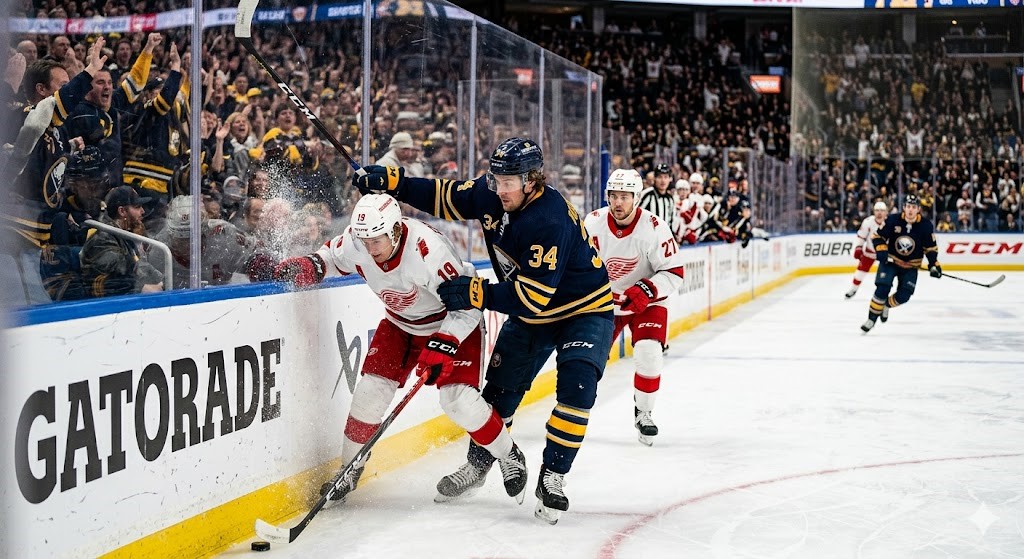
Winning Battles Along the Boards
Many games are decided in tight areas.
Board battles, corner play, and net-front scrums are all physical by nature.
Teams that excel physically:
- Win puck battles
- Maintain possession
- Control the tempo
Skill gets you to the puck. Physicality helps you keep it.
Net-Front Presence Is Physical
Scoring goals often requires getting to the toughest area on the ice—the front of the net.
That area is highly contested.
Physical players:
- Screen goalies
- Fight for rebounds
- Take punishment to create scoring chances
Without physical toughness, it’s difficult to generate consistent offense in these high-traffic areas.
Defense Relies on Physical Play
Defensemen, in particular, depend on physicality.
They use it to:
- Clear the crease
- Win puck battles
- Separate players from the puck
A defense that lacks physical presence can struggle to protect the net.
In contrast, a physical defense makes opponents uncomfortable every shift.
Physical Play Wears Teams Down
Hockey is a game of attrition.
Over the course of a game—or a playoff series—physical play takes a toll.
Consistent contact:
- Drains energy
- Slows down skilled players
- Increases mistakes late in games
This is especially important in long series where fatigue becomes a factor.
The Playoff Factor
Physicality becomes even more important in the playoffs.
Why?
Because:
- The game tightens up
- Space becomes limited
- Officials allow more contact
Teams that rely only on skill often struggle in playoff environments.
Meanwhile, teams that combine skill with physical play tend to thrive.
There’s a reason why playoff hockey looks different—it’s more intense, more physical, and harder to play.
Momentum and Energy
Big hits can change the momentum of a game instantly.
A well-timed check can:
- Energize a team
- Fire up the crowd
- Shift control of the game
Physical play creates emotional swings that can influence performance.
Protecting Star Players
Physical players also serve a protective role.
They:
- Deter opponents from targeting star players
- Respond to aggressive play
- Maintain team toughness
Without this element, skilled players can become more vulnerable.
Teams need balance to protect their top talent.
The Role of Enforcers Has Changed
In the past, teams often carried designated enforcers.
That role has evolved.
Today’s players must:
- Contribute offensively or defensively
- Still bring physicality
- Play regular minutes
The modern game values players who combine toughness with skill.
Pure enforcers are rare, but physicality remains essential.
Speed and Physicality Work Together
There’s a misconception that speed has replaced physical play.
In reality, the best teams combine both.
Fast players who are also physical can:
- Close gaps quickly
- Finish checks effectively
- Maintain pressure
This combination makes teams far more dangerous.
Psychological Impact
Physical play affects players mentally.
It can:
- Create hesitation
- Reduce confidence
- Force mistakes
When players anticipate contact, their decision-making changes.
This psychological edge is a major advantage.
Turnovers and Transition
Physical pressure often leads to turnovers.
When players are hit or pressured physically:
- They lose control of the puck
- Make rushed passes
- Miss opportunities
These turnovers can quickly turn into scoring chances the other way.
Discipline Still Matters
While physical play is important, it must be controlled.
Undisciplined physicality leads to:
- Penalties
- Power-play opportunities for opponents
- Lost momentum
The best teams play physical hockey within the rules.
They are aggressive—but smart.
Youth Development and Physical Play
As hockey develops globally, there’s been a greater emphasis on skill.
However, physical development is still critical.
Young players must learn:
- How to give and receive contact
- Proper body positioning
- Strength and balance
Ignoring physical play at the development level can create gaps later on.
Analytics Still Support Physicality
Even in the age of analytics, physical play shows value.
Metrics such as:
- Puck possession after contact
- Turnovers forced
- Net-front scoring chances
all reflect the impact of physical play.
While harder to measure than goals or assists, physicality still influences outcomes.
The Evolution of Physical Play
Physical play today is more strategic than ever.
It’s not just about big hits.
It’s about:
- Angling opponents
- Applying pressure
- Winning positioning battles
Smart physical play is more effective than reckless aggression.
Building a Complete Team
The best hockey teams are balanced.
They combine:
- Skill
- Speed
- Physicality
- Discipline
A team that lacks physical play can be pushed around.
A team that relies only on physicality can be outskilled.
Balance is the key to success.
Final Thoughts
Hockey may be faster and more skilled than ever, but physical play remains a cornerstone of the game.
It creates space, wins battles, and shifts momentum. It wears down opponents and becomes even more important in high-pressure situations like the playoffs.
In today’s game, physicality hasn’t disappeared—it has evolved.
The teams that understand how to blend skill with smart, controlled physical play are the ones that consistently win.
And in hockey, winning is still what matters most.