Why Pro Wrestling is More Popular Than Ever
Why Pro Wrestling is More Popular Than Ever
Pro wrestling has a long, storied history. From the Attitude Era to modern promotions like WWE and AEW, it has evolved dramatically. I’ve never personally been a fan, but observing its growth and influence reveals a phenomenon worth analyzing. Storytelling, athleticism, spectacle, and fan connection all contribute to its success. That explains exactly why pro wrestling is more popular than ever.
Despite personal preferences, it’s impossible to ignore the numbers. Attendance, viewership, and social media engagement all show the sport thriving. New promotions, global expansion, and crossover stars keep interest high. Fans around the world are drawn to the mix of drama, performance, and athletic competition that defines modern pro wrestling.
The Evolution of Pro Wrestling Promotions
I’ve watched promotions grow and change over the years. WWE dominated for decades, defining the industry with creative storytelling, characters, and events like WrestleMania. AEW has emerged as a strong competitor, introducing fresh talent and alternative approaches to the fan experience. NJPW and various indie promotions continue to cultivate dedicated followings, offering high-quality matches and international flair.
Each promotion brings something unique. WWE blends entertainment with polished production. AEW emphasizes competitive matches and storytelling innovation. NJPW focuses on in-ring athleticism and technical skill. Indie promotions provide opportunities for experimentation and niche appeal. This variety keeps fans engaged and attracts new viewers.
Storytelling and Larger-Than-Life Characters
Storytelling is central to pro wrestling’s popularity. Characters with compelling arcs, rivalries, and motivations resonate with audiences. Heroes, villains, and underdogs create narratives that extend beyond the ring.
Fans respond strongly to these stories. They invest emotionally in matches, develop loyalty to wrestlers, and follow long-term plotlines. Even casual viewers often get caught up in the drama, showing that narrative power drives engagement.
Athleticism and In-Ring Skill
Athleticism remains a key factor. Wrestlers perform complex maneuvers, execute coordinated sequences, and maintain stamina during long matches. These skills require strength, agility, timing, and conditioning.
I respect this aspect, even without personal interest. Watching a technically proficient match demonstrates the dedication and training necessary to succeed. Fans recognize and appreciate these efforts, contributing to the sport’s continued popularity.
Connection With Fans
Fan connection drives engagement in pro wrestling more than in most sports. Wrestlers interact with audiences both live and online, creating personal investment. The crowd’s reaction influences match pacing and storytelling.
I see this connection as a unique advantage. Athletes who understand how to engage fans enhance the spectacle. Fans feel part of the action, which increases loyalty, viewership, and merchandise sales.
Social Media Influence
Social media plays a significant role in pro wrestling’s growth. Platforms amplify moments, highlight rivalries, and showcase wrestlers’ personalities. Fans share content, discuss storylines, and generate buzz around events.
This effect in global viewership trends. Social media reaches younger audiences and international fans, expanding the sport beyond traditional markets. Platforms allow promotions to maintain interest between live events, keeping wrestling top-of-mind for millions.
Crossover Stars and Mainstream Exposure
Crossover stars help increase visibility. Athletes transitioning from MMA, football, or other sports bring attention to wrestling. Celebrities and influencers entering the ring create hype and attract casual viewers.
I see crossover appeal as a major growth driver. Even fans who never follow wrestling may watch these events, discover the product, and become invested. That exposure fuels broader popularity.
Live Events and Spectacle
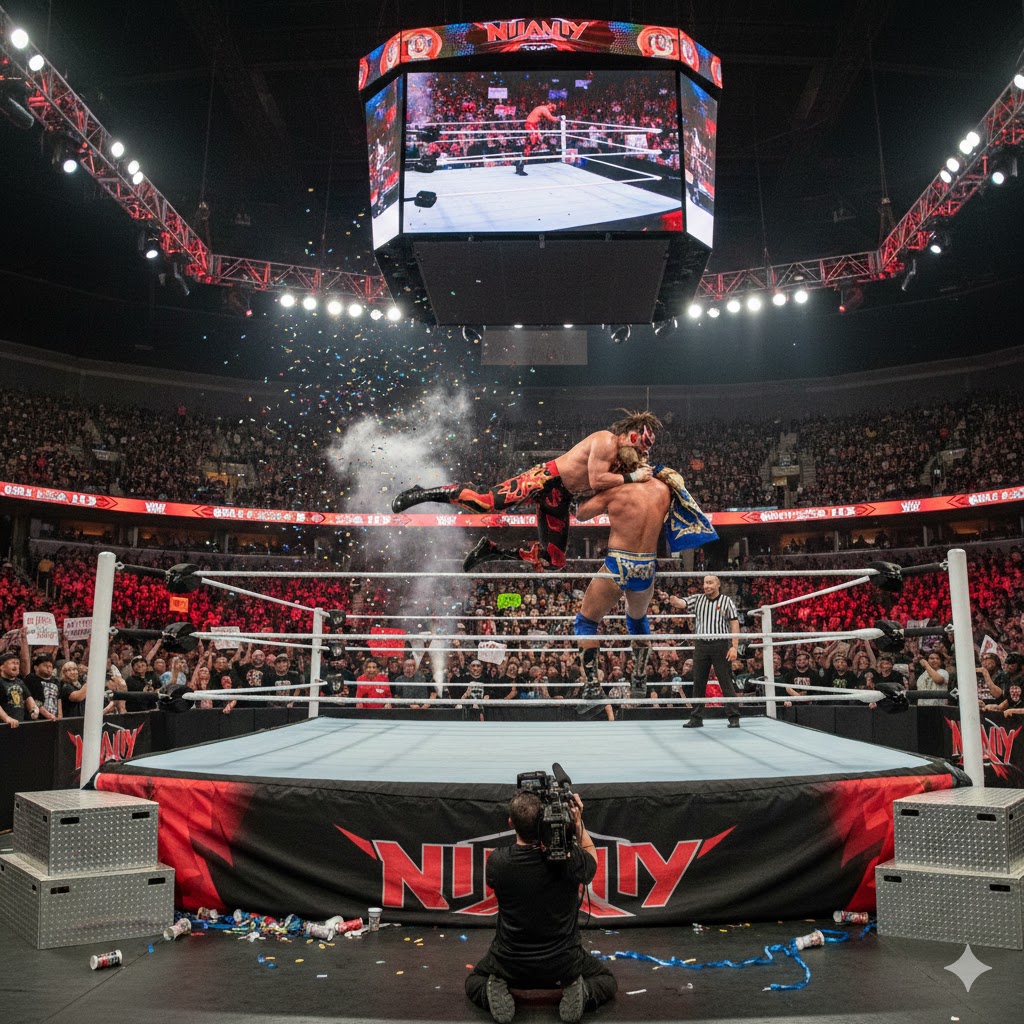
The spectacle of live events distinguishes pro wrestling. Elaborate entrances, pyrotechnics, and dramatic production create a theatrical experience unmatched in most sports. Fans attend not only to see matches but to witness entertainment on a grand scale.
These spectacles enhance engagement. Large venues, packed arenas, and interactive elements elevate the experience. This entertainment value contributes directly to why pro wrestling is more popular than ever.
Nostalgia and Legacy Fans
Nostalgia plays a critical role. Longtime fans follow the sport across decades, attending events and consuming media. Historic matches, classic characters, and references to past eras keep audiences connected.
This legacy influence sustaining popularity. Older fans introduce younger audiences to the sport, creating multi-generational engagement. Promotions leverage nostalgia while integrating new talent to maintain relevance.
Diverse Styles and Match Types
Modern wrestling offers a variety of match types and styles. Technical bouts, high-flying action, hardcore matches, and story-driven encounters provide something for every fan.
The diversity maintains interest. Fans can follow multiple promotions or events without repetition. The variety appeals to different preferences and broadens the sport’s reach.
Merchandising and Branding
Merchandise and branding also drive popularity. T-shirts, action figures, video games, and digital content strengthen fan engagement. Iconic logos and wrestler personas create recognition beyond the ring.
I see how this strategy contributes to growth. Revenue from merchandise allows promotions to invest in production, talent development, and marketing. Fans feel connected to the sport through physical and digital products, further increasing loyalty.
Global Expansion
Pro wrestling’s international reach continues to grow. Tours, streaming platforms, and foreign talent introduce the sport to new markets. Promotions leverage global stars to appeal to diverse audiences.
The expansion is increasing viewership and creating cross-cultural interest. Wrestling now reaches countries that previously had limited access, demonstrating the sport’s global appeal and sustainability.
Balancing Athleticism and Entertainment
The blend of athleticism and entertainment is key. Wrestlers must perform physically demanding maneuvers while conveying storylines. This dual requirement differentiates pro wrestling from other sports.
I respect athletes who balance both aspects. Fans reward those who combine skill with charisma. Promotions that maintain this balance see stronger engagement and continued growth.
Indie Promotions and Grassroots Influence
Indie promotions contribute to popularity by introducing fresh talent and creative matches. They cultivate unique fan communities and experiment with new ideas.
I see this grassroots influence as critical. It keeps wrestling innovative and prevents stagnation. Fans discover future stars in indie circuits, supporting both local and major promotions.
Impact of Streaming Platforms
Streaming services have transformed access. Fans can watch events live, follow storylines weekly, and explore archives. This availability strengthens engagement and attracts casual viewers.
Streaming broadens demographics. Younger fans and international audiences consume content more easily than ever, supporting growth and relevance.
Cultural Relevance and Pop Culture Integration
Wrestling intersects with pop culture through appearances, collaborations, and media coverage. This relevance introduces the sport to wider audiences who may not be traditional fans.
Cultural integration boosts exposure. Wrestling moments appear in movies, music, and social media, reinforcing popularity beyond the sport itself.
Merit, Athleticism, and Fan Loyalty
Athleticism and performance quality remain central. Wrestlers who excel physically, connect with fans, and demonstrate versatility earn long-term support.
Promotions highlight these traits to maintain credibility. Fans appreciate skill, stamina, and commitment, even in a scripted environment. That recognition contributes to sustained popularity.
Future Growth of Pro Wrestling
Looking ahead, I see continued expansion. New promotions, international markets, and streaming platforms will increase accessibility. Merchandise, crossover stars, and innovative storytelling will maintain fan engagement.
I believe the combination of spectacle, athleticism, and narrative ensures growth. Younger audiences will continue discovering the sport, while legacy fans sustain engagement. Wrestling is poised to remain culturally relevant and commercially successful.
Conclusion: A Balanced Perspective
Even though I personally don’t follow pro wrestling, observing its growth reveals undeniable trends. Storytelling, athleticism, crowd connection, spectacle, and innovation all contribute. Social media, crossover stars, and global expansion amplify its reach.
Fans engage with the drama, athleticism, and community surrounding the sport. Promotions leverage diverse styles, streaming platforms, and merchandising to expand influence. Legacy fans, nostalgia, and indie promotions sustain interest while driving innovation.
Watching these dynamics makes it clear why pro wrestling is more popular than ever. The sport thrives because it combines entertainment, athleticism, and fan connection in ways few other sports can match. Its ability to evolve while honoring tradition ensures continued growth for years to come.