
Youth Hockey Registration is Surging in the USA
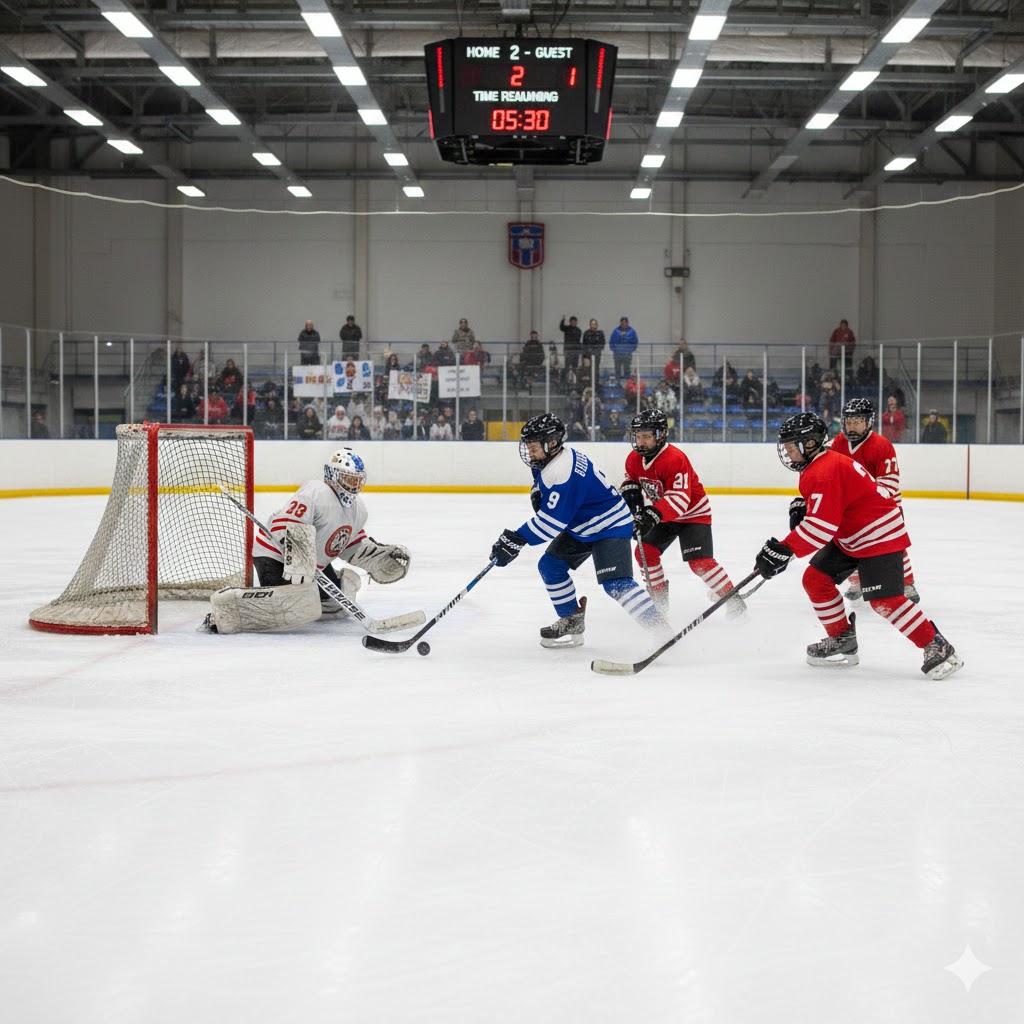
Youth Hockey Registration Is Surging in the USA
What’s Driving the Growth?
Youth Hockey Registration is Surging in the USA, and the trend is reshaping conversations around youth sports. Many communities are witnessing remarkable growth. Families are signing up in large numbers. Kids are filling rinks that once sat half empty. Parents are exploring the sport with fresh enthusiasm. Coaches are seeing rosters expand each season. The surge shows no signs of slowing down.
This movement raises important questions. Why is the sport exploding now? How is hockey succeeding in places where it once struggled to gain traction? What does this expansion mean for the future of youth development? Most importantly, how are communities adapting to meet the rising demand?
Every angle offers insight into a sport evolving fast. Although hockey has always held a strong cultural presence in northern states, its new nationwide momentum tells a bigger story. Many factors contribute. Every factor deserves a deep dive because the landscape is changing rapidly and reshaping American youth athletics in significant ways.
A New Era for Youth Sports in America
Youth sports in the United States are constantly changing. Parents evaluate new options every year. Kids shift interests as new influences emerge. Communities add programs, upgrade facilities, and revise expectations. Through all of that change, hockey has managed to rise above many competing sports.
Many families now want activities with clear athletic benefits. Many also want sports that teach resilience, teamwork, and mental toughness. Hockey delivers all three, and it delivers them at a level few sports can match. Furthermore, the fast pace and physical demands attract kids who crave challenge.
Additionally, the structure of hockey organizations has improved nationwide. More development programs exist and more rinks operate in warmer regions. In addition, more coaches receive training and youth leagues offer scheduling flexibility. Everything combines to create a sport that feels modern, accessible, and exciting.
Growing Access to Ice Rinks Across the Country
New rinks and upgraded older facilities are fueling much of hockey’s rise. Many communities that once lacked ice now boast one or more arenas. Southern states, in particular, have seen rapid rink construction, and more indoor facilities allow hockey to thrive even in warm climates.
More ice time naturally brings more players. Kids gain consistent practice opportunities. Coaches gain space to teach skills. Parents gain convenience because driving distances shrink. Each improvement builds momentum.
Communities also benefit financially when new rinks appear. Local businesses see increased foot traffic. Hotels and restaurants gain revenue from tournaments. City leaders often support rink construction because the economic benefits outweigh initial costs.
Because of these changes, kids who once had no access to hockey now enter the sport early. Early access strengthens long-term participation. As a result, program numbers climb.
Impact of the NHL’s Expansion and Influence
The NHL deserves major credit for the sport’s recent boom. Expansion teams in non-traditional markets have shifted public perception. Many families in warm states now view hockey as a normal part of local sports culture. That shift took decades, but the results are unmistakable.
Teams like the Nashville Predators, Vegas Golden Knights, Arizona Coyotes, Tampa Bay Lightning, and Dallas Stars have transformed regional interest. Their community programs reach thousands of children every year. Successes at the professional level inspire more youth participation. Championship runs generate excitement. Local TV coverage builds visibility. Social media amplifies everything.
Every major moment in the NHL influences youth enrollment. A thrilling playoff run can inspire thousands of kids to ask for skates. A star player’s highlight reel can turn curious fans into new athletes. Because NHL teams invest heavily in outreach, the sport attracts fresh waves of young players each season.
Media Exposure and Cultural Momentum
Hockey content now spreads faster than ever. Social media platforms highlight speed, skill, and creativity. Kids watch viral clips of breakaway goals, crazy saves, and incredible teamwork. Those moments fuel curiosity.
Streaming services also play a major role. Families watch games at home with ease. Young fans follow teams regardless of geography. More kids form connections to players they admire. That emotional connection pushes them toward participation.
Furthermore, documentaries, behind-the-scenes footage, and professional development camps grab attention. Kids and parents both respond to compelling stories. They see athletes overcoming adversity and watch talented young players working hard. They hear experts explaining the value of discipline and training. All of it strengthens the appeal.
Because of this momentum, Youth Hockey Registration is Surging in the USA for reasons that extend far beyond traditional fan bases.
Youth Development Programs Are Expanding
Many organizations now offer streamlined development pathways. These programs bridge the gap between recreational hockey and competitive travel leagues. Families appreciate clear structure because it removes confusion. Kids progress through levels with well-defined expectations.
Furthermore, many states now offer “learn to skate” and “learn to play” programs at low cost. These entry-level clinics minimize barriers. Parents feel less financial pressure during the early stages. Kids receive foundational training before committing fully.
Additionally, major NHL teams sponsor youth development initiatives. Their funding helps reduce costs and expand availability. Their involvement also increases visibility, attracting families who may have overlooked the sport.
As a result, the pipeline for new players grows stronger every year. Every new program produces new athletes. Every improvement amplifies participation.
Safer Equipment and Better Training Methods
Parents once viewed hockey as a high-risk sport. Many feared injuries, high impact collisions, or lack of safety standards. Those concerns still exist, but improved equipment technology now eases many fears.
Modern gear is lighter, stronger, and more protective. Helmets feature better padding and advanced impact-absorption systems. Shoulder pads, shin guards, gloves, and neck guards provide superior coverage. Manufacturers continue innovating. Kids feel safer. Parents feel more confident.
Additionally, training methods emphasize smart body positioning and awareness. Many organizations teach proper checking techniques and leagues delay checking until older age levels. Many coaches focus on skill development instead of full-contact play. Every strategic decision reduces risk.
These improvements contribute directly to growing participation because safety remains a top priority for parents evaluating youth sports.
The Growing Popularity of Girls’ Hockey
Girls’ hockey represents one of the fastest-growing segments of the sport. Many states report surging numbers. More girls join introductory programs every year.and compete in youth leagues. More girls receive opportunities once available only to boys.
Visibility plays a major role. Professional women’s hockey leagues have elevated the sport. College programs offer scholarships. Media coverage highlights female athletes who excel at the highest levels. Their influence inspires younger players.
Communities now build girls-only teams, which encourages participation among beginners who feel more comfortable in those environments. As girls’ hockey strengthens, overall youth registration rises.
Because of that growth, Youth Hockey Registration is Surging in the USA in ways that reflect broader cultural shifts toward inclusivity and expanded opportunity.
Influence of NHL Superstars on Young Athletes
Star players shape trends across every sport. Hockey is no different. Kids idolize the biggest names. They watch their favorite players perform jaw-dropping moves. They dream of scoring similar goals or making similar plays.
Highlight reels create instant excitement. Players like Connor McDavid, Auston Matthews, Nathan MacKinnon, Cale Makar, and others inspire new generations. Their explosive speed and creativity capture attention. Their personality, professionalism, and relatability attract young fans.
Furthermore, many superstars actively promote youth hockey through social media, community appearances, and charitable programs. Kids see these athletes giving back. They see them supporting local communities. That connection makes the sport feel accessible.
Every generation of youth athletes needs heroes. Hockey has plenty. Their influence continues driving registration higher.
Parent Concerns: Cost, Safety, Travel, Time, Coaching, and Competitiveness
Despite rising participation, many families still face concerns that shape decisions. These concerns deserve clear explanation because they influence the long-term sustainability of the sport.
Cost
Hockey remains expensive. Skates, protective gear, travel, ice time, and league fees add up quickly. Many families limit participation because of budget constraints.
Safety
Even with better equipment, parents still worry about injuries. They want confidence in coaching quality, refereeing standards, and league structure.
Travel
Competitive teams often travel long distances. That commitment can stress families. Many parents want local options that reduce logistical challenges.
Time Commitment
Hockey demands regular practices, weekend games, and tournaments. Families balancing school, work, and other sports sometimes struggle to manage the schedule.
Competitiveness
Some leagues emphasize competition over development. Some parents fear that their children will fall behind if they cannot commit fully. This creates pressure that can discourage participation.
Coaching Quality
Parents want trained coaches who focus on skill, sportsmanship, and personal growth. Inconsistent coaching experiences create uncertainty.
Every concern is legitimate. Every concern influences decision-making. For the sport to grow responsibly, communities must address these issues with practical solutions.
Solutions and Improvements Needed for Sustainable Growth
Because participation continues rising, hockey organizations must adapt quickly. Several improvements can sustain long-term growth.
Lower Equipment Costs
Communities can expand rental programs. Teams can offer discounted gear packages. Sponsors can subsidize beginner equipment. Every cost-reducing idea helps.
More Local Rinks
Adding rinks reduces driving distance. Local rinks increase convenience. Convenience encourages registration. Families are more likely to participate when facilities sit close to home.
Training for Coaches
High-quality coaching builds trust. Coaches who understand development create positive experiences. Certifications, workshops, and seminars elevate coaching standards and improve retention.
Strong Community Outreach
Free clinics, school demonstrations, and public events introduce more kids to the sport. Outreach removes barriers and reduces intimidation for beginners.
Better Diversity and Inclusion Programs
Expanding hockey to underrepresented groups strengthens participation. Community partnerships, scholarships, and targeted outreach make the sport more accessible.
Flexible League Structures
Families appreciate scheduling flexibility. Rec leagues with balanced travel requirements encourage broader participation. Local leagues reduce burnout.
Improved Off-Ice Training Options
Accessible off-ice programs help kids build strength, balance, and conditioning. These sessions reduce injury risk and boost confidence.
Communities that focus on these improvements will experience long-term success. Because the demand continues rising, proactive planning matters more than ever.
Amateur Play in Schools and Youth Leagues
Many schools now offer hockey clubs or full teams. Increased access gives kids opportunities to develop within school environments. School programs promote teamwork and school pride, attracting athletes who want to represent their classmates.
Youth leagues also continue expanding. Cities organize recreational teams for beginners. Travel teams offer competitive pathways for advanced players. That balance allows more kids to find the right level.
Programs now emphasize skill development, teamwork, and character. Because kids receive personalized coaching, they remain engaged. Because leagues provide structure, they remain motivated.
Every child can find a place to play, and that inclusivity drives continued participation.
The Role of Community Support
Local communities shape the future of youth hockey. Parents volunteer. Coaches commit time. Local businesses sponsor teams. City leaders support rink development. Every contribution builds momentum.
Furthermore, tournaments bring families together. Weekend games create friendships. Local clubs form strong networks that support both players and parents.
The social fabric around hockey strengthens its appeal. Families feel welcomed. Kids feel included. Coaches feel valued. These experiences encourage long-term involvement.
Because of this strong foundation, Youth Hockey Registration is Surging in the USA across communities of all sizes.
Why Kids Love the Sport
Kids love hockey for reasons that go far beyond scoring goals. They love the speed and the excitement. They also love the creativity and the challenge.
Many kids enjoy mastering complex skills. Skating feels unique compared to other sports. Stickhandling feels rewarding. Passing and teamwork feel satisfying. Competition feels thrilling.
Additionally, many kids enjoy the structure. Practices build routine. Games build confidence. Team environments build friendships.
Hockey offers kids daily opportunities to grow, compete, and connect. Those opportunities keep them coming back every season.
Long-Term Benefits for Young Athletes
Hockey helps kids grow physically, mentally, and socially.
Physical Benefits
Hockey builds strength, endurance, balance, and coordination. Kids develop speed and agility. They gain all-around athletic ability that helps them in other sports.
Mental Benefits
The sport teaches problem-solving under pressure. Kids learn to adapt fast. They gain resilience after mistakes. They build mental toughness.
Social Benefits
Teamwork defines hockey. Kids communicate constantly. They support teammates. They learn leadership skills. Those skills translate to school, friendships, and future careers.
Because hockey provides comprehensive development, parents value the sport highly. That value contributes to rising registration numbers.
Regional Growth Across the USA
States once known for limited hockey activity now experience major growth. Many southern and western states report strong numbers. More kids from diverse backgrounds join teams each year.
Southern States
Texas, Florida, Tennessee, and Georgia now have robust youth leagues. NHL success in these regions contributes significantly.
Western States
Arizona, California, Nevada, and Colorado see increased participation. New rinks and strong community programs drive the surge.
Midwestern and Northern States
Traditional hockey states continue thriving. However, they now face competition from emerging regions that once lagged behind.
Because every region contributes to the sport’s expansion, the national trend accelerates.
Economic Impact of Rising Registration
More players mean more economic activity. Families purchase equipment. Communities host tournaments. Travel teams boost revenue for local hotels and restaurants. Rink operations expand. Coaching jobs increase. Training businesses grow.
Youth hockey now influences local economies in ways that surpass many other youth sports. As participation rises, the economic impact grows stronger.
Communities recognize this value. Many invest in rinks because the return outweighs the cost. Families benefit from better facilities. Kids benefit from more opportunities.
Everything creates a cycle that fuels continued growth.
The Bigger Picture: Hockey’s Future in America
Given current trends, the future of youth hockey looks extremely bright. More kids join the sport each year with more communities supporting hockey. Many organizations invest in development and more families recognize the sport’s benefits.
Additionally, the cultural image of hockey is changing. Once seen as a niche northern sport, hockey now appears nationwide. Kids from diverse backgrounds discover it every year. Schools recognize its value. Coaches refine programs. Rinks multiply.
As a result, Youth Hockey Registration is Surging in the USA at an unprecedented rate.
Conclusion: A Sport on the Rise
The surge in youth hockey participation reflects a major shift in American sports culture. Kids want fast-paced action. Parents want safe, structured programs. Communities want strong youth activities. Hockey delivers all of that.
The sport continues evolving. Every improvement strengthens the foundation and every new player adds momentum. Every new rink expands opportunity. Because of these forces, Youth Hockey Registration is Surging in the USA and shaping the future of American youth athletics.
Although challenges remain, solutions exist. Communities can reduce costs. Leagues can improve scheduling. Coaches can receive better training. Rinks can continue expanding nationwide. These steps will ensure that the sport remains accessible, safe, and exciting.
Ultimately, hockey stands at the beginning of a new era. The growth seen today will influence generations of young athletes. Kids who join now will carry the sport into the future. Their enthusiasm reflects a nationwide movement. Their participation proves that hockey’s best days are just beginning.