
How Athletes Transition After Olympic Competition
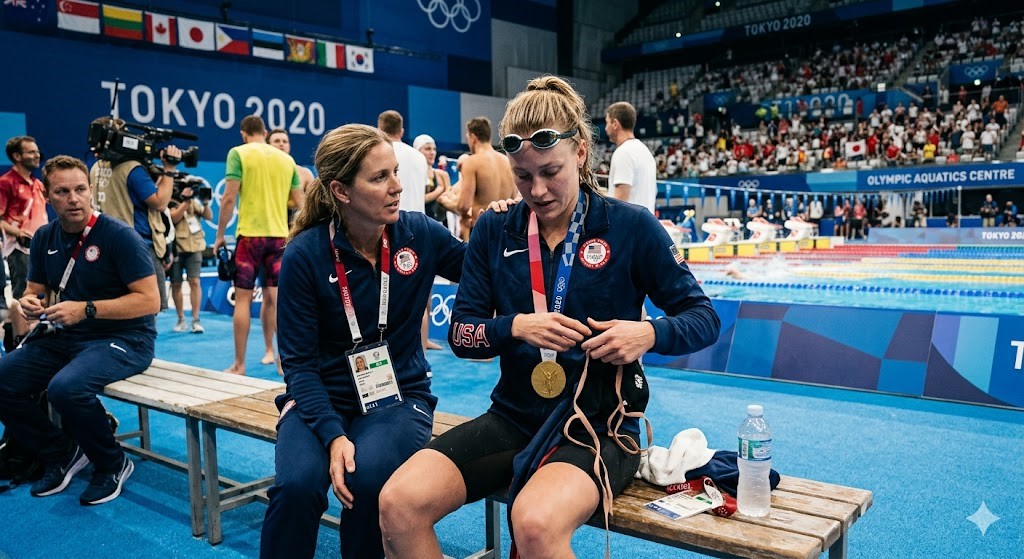
How Athletes Transition After Olympic Competition
For most athletes, competing in the Olympics represents the peak of a lifetime of dedication. Years—often decades—of training lead to a single moment on the world stage at the Olympic Games.
But what happens after that moment passes?
The transition after Olympic competition is one of the most challenging—and often overlooked—phases in an athlete’s career. Whether they win a medal or not, Olympians must navigate physical, emotional, and professional changes that can redefine their lives.
Let’s break down how athletes manage this transition and what it takes to succeed beyond the Olympics.
The Emotional Letdown After the Peak
The Olympics create an intense emotional high.
Athletes train for years with a singular focus. When it’s over, many experience a sudden drop in motivation and direction.
This is often called the post-Olympic blues.
Athletes may feel:
- Loss of purpose
- Emotional fatigue
- Difficulty adjusting to normal life
Even medalists are not immune. The end of such a major goal can leave a void.
Physical Recovery and Rest
Olympic training pushes the body to its limits.
After competition, athletes often need:
- Time to recover from injuries
- Reduced training intensity
- Complete physical rest
This recovery phase is essential. Without it, long-term health and performance can suffer.
However, stepping away from intense training can also feel uncomfortable for athletes used to constant structure.
Deciding What Comes Next
One of the biggest challenges is deciding the next step.
Athletes typically face several options:
- Continue training for the next Olympics
- Compete professionally in their sport
- Transition into coaching or mentoring
- Pursue a completely new career
This decision depends on factors like age, performance, and personal goals.
Continuing Toward the Next Olympics
Some athletes choose to continue their journey.
They set their sights on the next edition of the Olympic Games.
This path requires:
- Renewed motivation
- Adjusted training plans
- Long-term commitment
For many, the decision comes down to whether they still have the physical and mental drive.
Transitioning to Professional Sports
In some sports, Olympic athletes can move into professional leagues.
For example:
- Track and field athletes compete in global circuits
- Basketball players may join leagues like the NBA
- Soccer players continue in club systems worldwide
This transition allows athletes to continue competing while earning income.
However, not all Olympic sports offer professional opportunities.
Financial Realities After the Olympics
Financial stability is a major concern.
Many Olympic athletes:
- Do not earn large salaries
- Rely on sponsorships or funding
- Face uncertainty after competition
Even successful athletes may struggle financially if they lack long-term planning.
This makes career transition critical.
Building a Personal Brand
Athletes who gain visibility during the Olympics often have a unique opportunity.
They can build a personal brand through:
- Social media
- Sponsorships
- Public appearances
A strong brand can lead to:
- Endorsement deals
- Speaking opportunities
- Media roles
Timing is important. The period immediately after the Olympics is when visibility is highest.
Moving Into Coaching and Mentorship
Many athletes stay connected to their sport by becoming coaches.
They bring:
- Firsthand experience
- Technical knowledge
- Mental insights
Coaching allows them to give back while staying involved in the competitive environment.
Mentorship roles also help guide younger athletes through similar journeys.
Education and Career Development
Some athletes shift their focus to education or new careers.
This may involve:
- Returning to school
- Completing degrees
- Entering entirely new industries
Balancing athletics and education can be difficult, so this transition often requires adjustment.
However, the discipline developed in sports can translate well into other fields.
Mental Health and Identity Challenges
One of the biggest challenges is identity.
For years, athletes define themselves by their sport. After the Olympics, that identity can shift.
This can lead to:
- Loss of direction
- Anxiety or depression
- Difficulty adjusting to life outside competition
Support systems—coaches, family, and mental health professionals—play a crucial role during this phase.
The Role of National Organizations
Organizations like the United States Olympic & Paralympic Committee provide support for athletes transitioning out of competition.
They may offer:
- Career counseling
- Educational programs
- Financial planning resources
These programs help athletes prepare for life beyond the Olympics.
Staying Connected to the Sport
Even after retiring from competition, many athletes remain involved.
They may:
- Work as commentators or analysts
- Participate in exhibitions
- Serve as ambassadors for their sport
This allows them to maintain a connection while exploring new opportunities.
Leveraging Olympic Experience
Competing in the Olympics carries significant value.
Athletes develop:
- Discipline
- Resilience
- Time management skills
- Ability to perform under pressure
These qualities are highly transferable.
Many former Olympians succeed in business, media, and leadership roles.
The Importance of Planning Ahead
The most successful transitions often begin before the Olympics even end.
Athletes who plan ahead:
- Explore career options early
- Build networks
- Develop skills outside of sport
This preparation makes the transition smoother and less stressful.
Different Paths for Different Athletes
No two transitions are the same.
Some athletes:
- Continue competing at a high level
- Retire immediately
- Shift into entirely new careers
Each path depends on individual circumstances, goals, and opportunities.
The Growing Focus on Athlete Support
In recent years, there has been greater awareness of post-Olympic challenges.
Organizations, sponsors, and teams are placing more emphasis on:
- Mental health support
- Career transition programs
- Financial education
This shift is helping athletes navigate life after competition more effectively.
Life Beyond the Olympic Stage
For many athletes, life after the Olympics becomes a new chapter.
While the spotlight may fade, new opportunities emerge.
Some discover passions they never had time to explore during their athletic careers.
Others use their platform to inspire and impact others.
Final Thoughts
The journey doesn’t end when the Olympic Games are over.
In many ways, it’s just the beginning of a new phase.
Transitioning after Olympic competition requires planning, resilience, and adaptability. Athletes must redefine their goals and find new ways to channel their drive.
Those who succeed are the ones who embrace change and see opportunity beyond the podium.
Because while the Olympics may be a peak moment, a fulfilling life can extend far beyond it.