
How Catchers Control the Pace of a Game in Baseball
How Catchers Control the Pace of a Game in Baseball
Catchers control the pace of a game in baseball more than most fans realize. While pitchers often receive the spotlight, the catcher quietly manages the rhythm, strategy, and emotional flow of nearly every inning. From pitch selection to defensive positioning, catchers influence the game on almost every play.
In modern baseball, the catcher is much more than a defensive position. They are leaders, strategists, communicators, and game managers. Their ability to control tempo can determine whether a team stays composed or falls apart under pressure.
At every level of baseball, from youth leagues to Major League Baseball, catchers serve as the heartbeat of the defense.
The Catcher as the Field General
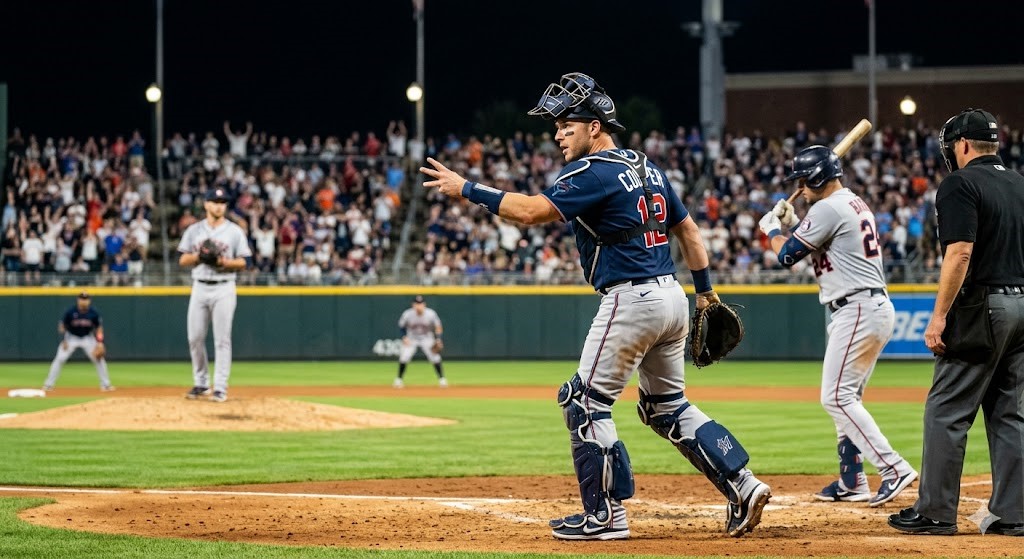
The catcher sees the entire field.
Unlike every other player, the catcher faces the action directly. This perspective allows them to observe hitter tendencies, defensive alignments, baserunner movements, and pitcher mechanics all at once.
Because of this unique viewpoint, catchers act as on-field generals.
They direct teammates, call pitches, and make split-second decisions that influence the pace of the game. In many ways, they function like quarterbacks in football.
Great catchers understand not only their own responsibilities, but also how every piece of the defense fits together.
This leadership role makes them central to the rhythm and structure of the game.
Controlling Tempo Through Pitch Calling
One of the biggest ways catchers control the pace of a game is through pitch calling.
Every pitch affects tempo. A quick sequence can keep a pitcher in rhythm and put pressure on hitters. Slower pacing can calm nerves and reset focus during stressful moments.
Catchers decide when to speed things up and when to slow things down.
For example, if a pitcher is dominating, a catcher may work quickly to maintain momentum. However, if the pitcher begins struggling, the catcher may deliberately slow the game down.
This control helps stabilize the defense and manage emotions.
Pitch selection itself also shapes the game’s rhythm. Mixing fastballs, breaking balls, and off-speed pitches keeps hitters uncomfortable and prevents them from settling into timing.
A skilled catcher understands how sequencing impacts not only individual at-bats, but the entire flow of the game.
Managing the Pitcher’s Mindset
Pitchers rely heavily on catchers for emotional support and guidance.
Baseball is a mentally demanding sport. A pitcher can lose confidence quickly after a few mistakes.
Catchers help prevent that from happening.
They calm pitchers during tense situations, encourage them after errors, and help refocus attention on execution rather than frustration.
Veteran catchers often know exactly what their pitchers need emotionally. Some pitchers respond to encouragement. Others need calm, direct communication.
Great catchers adapt their approach based on the personality of the pitcher.
This emotional management directly affects the pace and stability of the game.
Building Trust With Pitchers
Strong pitcher-catcher relationships are essential in baseball.
Trust allows pitchers to attack hitters aggressively. Without trust, hesitation creeps into performance.
Catchers build this trust over time through preparation, communication, and consistency.
When pitchers believe in their catcher’s game plan, they commit fully to each pitch.
This confidence creates smoother innings and better rhythm.
Legendary pitcher-catcher duos often dominate because of this chemistry. For example, Yadier Molina became known for his exceptional ability to guide pitchers and manage games.
His leadership behind the plate helped stabilize entire pitching staffs throughout his career.
Reading Hitters and Adjusting Strategy
Catchers constantly analyze opposing hitters.
They study swing mechanics, timing tendencies, and emotional reactions. During games, they adjust strategies based on what they observe.
This ability allows catchers to stay one step ahead.
For example, if a hitter struggles with inside pitches, the catcher may exploit that weakness repeatedly. If a batter begins adjusting, the catcher changes the sequence.
These tactical adjustments shape the pace of at-bats and influence offensive momentum.
A catcher who reads hitters effectively can completely disrupt an opposing lineup’s rhythm.
Controlling the Running Game
Catchers also manage the pace by controlling baserunners.
A strong throwing catcher discourages stolen base attempts and limits aggressive baserunning.
This impacts the entire strategy of the opposing team.
When runners hesitate, pitchers can focus more on hitters instead of worrying constantly about stolen bases.
Quick release times and accurate throws are critical. However, game awareness matters just as much.
Catchers study runner tendencies, communicate with pitchers, and anticipate steal attempts.
This preparation allows them to react instantly during critical moments.
Players like Ivan Rodriguez built reputations for shutting down opposing running games through elite defensive skills.
Defensive Positioning and Communication
Modern catchers are deeply involved in defensive alignment.
They help position infielders and communicate adjustments based on hitter tendencies.
This responsibility has grown significantly with the rise of advanced analytics.
Catchers now process large amounts of information before and during games. They understand spray charts, pitch usage patterns, and situational probabilities.
By organizing the defense effectively, they help maintain structure and efficiency.
This preparation reduces confusion and allows the team to play with confidence.
As a result, the overall pace of the game remains controlled and organized.
Slowing the Game During Pressure Situations
Momentum can shift quickly in baseball.
A few hits, a walk, or a defensive mistake can create chaos. Catchers often serve as the stabilizing force during these moments.
When pressure rises, catchers frequently visit the mound to calm pitchers and reset focus.
These mound visits are not random. They are strategic pauses designed to slow momentum and restore composure.
Sometimes, simply giving a pitcher a few extra seconds can prevent an inning from unraveling.
Great catchers recognize when the game is speeding up emotionally and know how to slow it down.
This ability separates average catchers from elite game managers.
Framing Pitches and Influencing Umpires
Pitch framing has become one of the most discussed catcher skills in modern baseball.
Framing refers to the ability to receive pitches smoothly and present them as strikes.
While subtle, this skill can dramatically influence games.
A catcher who consistently earns favorable calls changes at-bats, innings, and entire games.
Good framing also helps pitchers stay aggressive. When pitchers trust they will get close calls, they attack the strike zone with greater confidence.
This influences pace by creating quicker at-bats and limiting hitter comfort.
Catchers who excel at framing often become invaluable defensive assets.
The Physical Demands of the Position
Catchers endure one of the most physically demanding roles in sports.
They squat for entire games, absorb foul tips, block pitches in the dirt, and handle constant physical contact.
Despite this workload, they must remain mentally sharp every inning.
Fatigue management becomes critical.
A tired catcher can struggle with decision-making, communication, and reaction time.
Because of this, conditioning plays a major role in maintaining game control.
Elite catchers combine toughness, endurance, and focus to manage the physical and mental demands simultaneously.
Leadership Beyond Statistics
Catcher value often goes beyond measurable statistics.
Some contributions simply cannot be captured fully by numbers.
Leadership, communication, and emotional stability all influence team performance.
Catchers often act as mentors for younger pitchers and leaders inside the clubhouse.
Their presence can shape team culture and confidence.
For example, Buster Posey became known not only for offensive production, but also for his leadership and ability to guide pitching staffs.
Teams with strong leadership behind the plate often perform more consistently over long seasons.
Preparing Before the Game Begins
Much of a catcher’s work happens before the first pitch.
Preparation is extensive.
Catchers study scouting reports, analyze opposing hitters, and review pitcher tendencies.
They create game plans tailored to specific matchups.
This preparation allows them to react quickly during games.
Instead of guessing, they make informed decisions based on detailed analysis.
Preparation also builds confidence throughout the pitching staff.
When pitchers know the catcher is prepared, they trust the strategy more fully.
Adapting During the Game
No game unfolds exactly as expected.
Hitters adjust. Pitchers lose command. Weather conditions change.
Catchers must adapt constantly.
They recognize when strategies are failing and make adjustments in real time.
This flexibility helps teams stay competitive even when circumstances change.
Adaptability is one of the most underrated aspects of catching.
Without it, controlling the pace becomes impossible.
Why Catchers Are Essential to Team Success
When fans watch baseball, attention often goes to home runs, strikeouts, and highlight plays.
However, much of the game’s control comes from behind the plate.
Catchers influence nearly every defensive aspect of baseball. They guide pitchers, manage tempo, organize defenses, and stabilize pressure situations.
Without strong catching, teams often struggle with consistency and composure.
That is why elite catchers remain among the most valuable players in baseball, even if their contributions are not always obvious in box scores.
Final Thoughts
Catchers control the pace of a game in baseball through leadership, preparation, communication, and strategy.
They influence momentum, calm pressure situations, and guide pitchers through difficult moments.
Their impact reaches every inning and nearly every pitch.
From controlling the running game to calling pitches and organizing defenses, catchers serve as the backbone of a baseball team.
Players like Yadier Molina, Ivan Rodriguez, and Buster Posey demonstrated how powerful that role can be.
In the end, great catchers do far more than catch the ball.
They control the game itself.