
What Makes a Great Crew Chief in Motorsports
What Makes a Great Crew Chief in Motorsports
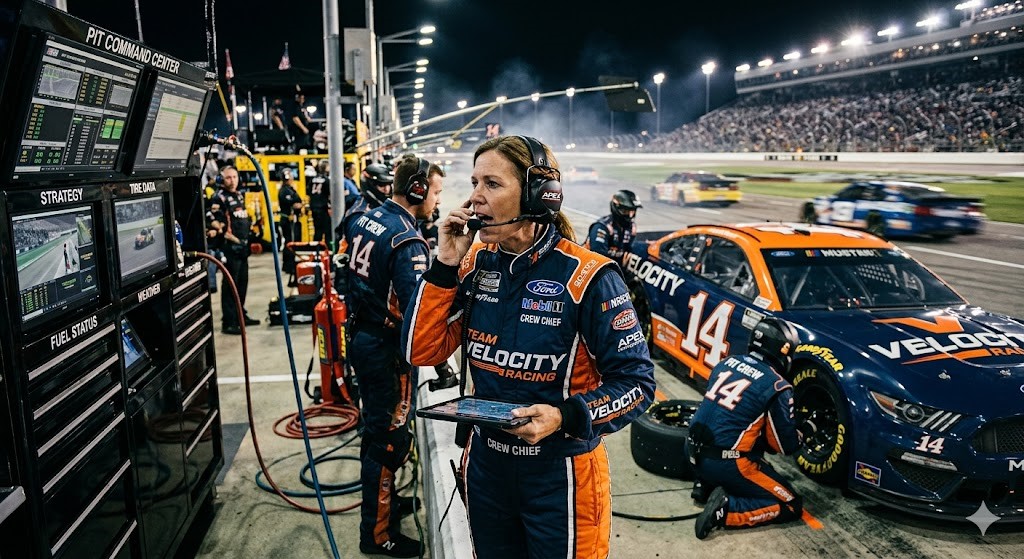
A great crew chief in motorsports is much more than a mechanic or strategist. Crew chiefs are leaders, problem-solvers, communicators, and decision-makers who influence nearly every aspect of a race team’s performance. While drivers often receive the majority of attention, the crew chief operates behind the scenes as the architect of race-day success.
In modern motorsports, races are won through preparation, strategy, teamwork, and adaptability as much as raw speed. That reality has elevated the importance of the crew chief to an entirely new level. From managing pit strategy to interpreting technical data, crew chiefs help teams navigate the pressure and unpredictability of racing.
Whether in NASCAR Cup Series, Formula One, or endurance racing, great crew chiefs often become the difference between victory and defeat.
Understanding the Role of a Crew Chief
The crew chief serves as the leader of the race team.
Their responsibilities cover nearly every technical and strategic area of the operation. They oversee car setup, race preparation, pit strategy, communication with the driver, and coordination among crew members.
On race day, the crew chief becomes the central decision-maker.
Every adjustment, tire strategy, fuel calculation, and tactical response flows through them.
This leadership role requires a rare combination of technical knowledge and emotional intelligence.
A crew chief must understand machines deeply while also managing people effectively under pressure.
That balance is what makes the position so demanding.
Leadership Is the Foundation
Great crew chiefs are exceptional leaders.
A motorsports team operates in high-pressure environments where mistakes can happen instantly. Strong leadership keeps everyone focused and organized.
Crew chiefs set the tone for the team.
Their communication style, preparation habits, and decision-making influence the entire garage.
When challenges arise, the crew chief must remain calm and confident. Panic spreads quickly in racing environments, especially during critical moments.
A composed leader helps the team stay disciplined and efficient.
Legendary figures like Chad Knaus became known not only for technical brilliance, but also for leadership that pushed teams to elite levels.
Communication With the Driver
The relationship between driver and crew chief is one of the most important partnerships in motorsports.
Trust is essential.
Drivers rely on crew chiefs for strategy, adjustments, and emotional stability during races.
Meanwhile, crew chiefs depend on drivers to provide accurate feedback about the car’s performance.
This communication must be clear, efficient, and honest.
During races, conditions change rapidly. Drivers describe handling issues while crew chiefs interpret that information and decide how to respond.
A great crew chief knows how to communicate differently with each driver.
Some drivers prefer constant updates. Others need concise information to maintain focus.
Understanding personality and communication style becomes critical.
Without strong communication, even talented teams struggle to succeed consistently.
Technical Knowledge and Mechanical Expertise
Motorsports are deeply technical.
Crew chiefs must understand vehicle dynamics, aerodynamics, suspension setups, tire management, fuel systems, and countless other mechanical details.
This expertise allows them to make informed decisions quickly.
Modern racing also relies heavily on data analysis. Teams gather enormous amounts of information during practice and races.
Crew chiefs interpret this data to improve performance.
For example, they analyze tire wear, fuel consumption, lap times, and aerodynamic balance to make strategic adjustments.
In many ways, crew chiefs combine engineering knowledge with competitive instincts.
This technical mastery separates elite crew chiefs from average ones.
Race Strategy and Decision-Making
One of the most visible responsibilities of a crew chief is race strategy.
Every decision carries consequences.
Crew chiefs determine when drivers pit, how aggressively they conserve fuel, and how they respond to cautions or weather conditions.
These decisions often happen within seconds.
A perfectly timed pit stop can win a race. A poor strategic call can ruin an entire weekend.
Great crew chiefs process information quickly and remain decisive under pressure.
They anticipate scenarios before they happen and prepare backup plans accordingly.
For example, in the Daytona 500, strategy often matters as much as speed because cautions and drafting constantly reshape the race.
Crew chiefs who think ahead consistently gain advantages over competitors.
Adaptability During Changing Conditions
No race unfolds exactly as expected.
Weather changes, accidents occur, and track conditions evolve constantly.
Great crew chiefs adapt quickly.
They recognize when the original plan is no longer effective and make adjustments without hesitation.
This flexibility is critical in motorsports because races can shift dramatically within moments.
For example, rain can change tire strategy instantly in Formula One.
Similarly, a late caution in stock car racing may force difficult decisions about tire changes or track position.
Crew chiefs who adapt effectively give their teams the best chance to succeed.
Managing Pressure in High-Stakes Moments
Motorsports create enormous pressure.
Millions of dollars, sponsorship commitments, and championship hopes often depend on split-second decisions.
Crew chiefs must perform calmly in these environments.
Emotional control becomes essential.
A frustrated or emotional decision can cost valuable positions or even entire championships.
Great crew chiefs maintain focus regardless of chaos around them.
This composure also helps drivers stay calm.
When drivers hear confidence and stability over the radio, they often perform more effectively.
Pressure management therefore impacts the entire team dynamic.
Building Team Chemistry
Racing is ultimately a team sport.
While drivers compete on the track, success depends heavily on teamwork behind the scenes.
Crew chiefs play a major role in building team chemistry.
They coordinate mechanics, engineers, tire specialists, pit crews, and support staff.
Each group must work together efficiently.
Strong relationships improve communication and trust throughout the organization.
Great crew chiefs create environments where team members feel valued and motivated.
This positive culture often leads to better performance during stressful situations.
Pit Stop Coordination
Pit stops are among the most intense moments in racing.
Every second matters.
Crew chiefs oversee these operations and ensure the team executes efficiently.
They determine timing, coordinate adjustments, and communicate with the driver throughout the process.
A mistake during a pit stop can destroy a race strategy instantly.
Because of this, preparation and repetition are critical.
Great crew chiefs emphasize discipline and precision during pit practice.
Their ability to organize efficient pit operations directly impacts race outcomes.
Understanding Driver Psychology
Every driver is different.
Some drivers thrive on aggressive communication. Others need calm reassurance.
Crew chiefs must understand these psychological differences.
Motorsports involve emotional highs and lows. Drivers may become frustrated after mistakes, poor handling, or difficult race conditions.
Crew chiefs help manage those emotions.
They provide encouragement, refocus attention, and maintain confidence during difficult moments.
This psychological support is often overlooked by fans, but it plays a major role in performance.
A mentally composed driver makes better decisions on the track.
Long-Term Preparation and Planning
Race-day success begins long before the green flag.
Crew chiefs spend countless hours preparing setups, analyzing track conditions, and studying competitors.
Preparation involves simulations, data review, and strategic planning.
Great crew chiefs leave little to chance.
They anticipate potential challenges and prepare solutions ahead of time.
This preparation allows teams to react faster during races because many scenarios have already been considered.
Consistent preparation also builds confidence across the team.
Everyone performs better when they trust the plan.
Balancing Aggression and Patience
Motorsports require calculated risk-taking.
Crew chiefs constantly balance aggression and caution.
Sometimes an aggressive strategy creates opportunities for victory. Other times patience prevents costly mistakes.
Knowing when to take risks separates elite crew chiefs from average ones.
For example, gambling on fuel mileage may lead to a dramatic win or complete disaster.
Great crew chiefs understand probability, momentum, and race context when making these decisions.
They avoid emotional reactions and focus on calculated choices.
The Role of Analytics in Modern Racing
Analytics now play a massive role in motorsports.
Teams gather detailed performance data from every session.
Crew chiefs analyze this information to identify trends and optimize setups.
This data-driven approach has transformed racing strategy.
For example, tire degradation models help determine ideal pit windows. Fuel calculations influence pace management.
Telemetry also provides insight into driver performance and car balance.
Great crew chiefs combine data analysis with instinct and experience.
This balance allows them to make smarter decisions under pressure.
Learning From Failure
Even elite crew chiefs make mistakes.
Racing is unpredictable, and no strategy works perfectly every time.
What matters most is the ability to learn and improve.
Great crew chiefs analyze failures honestly. They review races carefully and identify areas for improvement.
This mindset creates long-term growth.
Instead of blaming drivers or team members, they focus on solutions.
This accountability strengthens trust within the organization.
Over time, teams that embrace learning become more competitive.
Building Trust Across the Organization
Trust is essential in motorsports.
Drivers must trust the crew chief’s decisions. Team members must trust leadership. Sponsors must trust the organization’s direction.
Great crew chiefs earn this trust through consistency and preparation.
They communicate clearly and remain accountable for decisions.
When trust exists, teams operate more efficiently under pressure.
This trust also improves morale and confidence throughout the organization.
Legendary Crew Chiefs and Their Impact
Some crew chiefs become legendary because of their influence on the sport.
Figures like Chad Knaus helped redefine strategy and preparation in stock car racing.
Similarly, Ross Brawn became known for brilliant tactical decision-making in Formula One.
These leaders shaped championships and influenced how teams operate today.
Their success demonstrated how important crew chiefs truly are in modern motorsports.
Why Crew Chiefs Matter More Than Ever
Motorsports continue evolving rapidly.
Cars are more complex. Data is more detailed. Competition is tighter.
As a result, the role of the crew chief has become even more important.
Modern racing demands leadership, adaptability, technical expertise, and communication at elite levels.
Teams can no longer rely solely on driver talent.
Victory now depends on total organizational performance.
Crew chiefs sit at the center of that process.
Final Thoughts
Great crew chiefs combine leadership, technical knowledge, communication, and strategic thinking into one demanding role.
They guide teams through pressure, manage complex decisions, and help drivers perform at their best.
From pit strategy to emotional support, their influence touches nearly every aspect of racing.
Legends like Chad Knaus and Ross Brawn showed how transformative elite leadership can be in motorsports.
In the end, drivers may cross the finish line first, but great crew chiefs help make those victories possible.