
Why Hand-Eye Coordination Sports Are Thriving
Why Hand-Eye Coordination Sports Are Thriving
Hand-eye coordination sports are thriving across the globe because they combine skill, strategy, athleticism, and accessibility in ways that appeal to athletes and fans alike. From traditional sports such as baseball and tennis to rapidly growing activities like pickleball and table tennis, sports that require precise coordination between visual processing and physical movement continue to attract participants of all ages.
In an era where technology dominates daily life and physical activity competes with countless entertainment options, hand-eye coordination sports have managed not only to survive but to flourish. Their growth is fueled by accessibility, lifelong participation opportunities, health benefits, social interaction, and increasing media exposure.
Whether it is a batter tracking a 95-mile-per-hour fastball, a tennis player returning a powerful serve, or a pickleball player reacting to a quick volley, hand-eye coordination remains one of the most fundamental and impressive skills in athletics.
As participation rates continue rising worldwide, these sports are proving that precision and timing can be just as captivating as strength and speed.
Understanding Hand-Eye Coordination in Sports
Hand-eye coordination refers to the ability to process visual information and translate it into precise physical movements.
Athletes constantly receive visual cues from opponents, teammates, equipment, and their environment.
The brain must interpret this information almost instantly and direct the body to respond appropriately.
This process occurs within fractions of a second.
In sports, successful performance often depends on the speed and accuracy of these reactions.
For example, a baseball hitter must identify pitch type, speed, and location before deciding whether to swing.
Similarly, a tennis player must react to ball spin, trajectory, and pace almost immediately after an opponent strikes the ball.
These rapid decisions make hand-eye coordination one of the most valuable athletic abilities.
The Universal Appeal of Skill-Based Competition
One reason hand-eye coordination sports are thriving is their emphasis on skill.
Many spectators appreciate sports where technique and precision play major roles.
Unlike activities that rely primarily on size or physical dominance, coordination-based sports allow athletes of various body types to succeed.
This creates broader participation opportunities.
Athletes can continue improving skills for years through practice and repetition.
The visible connection between effort and improvement also appeals to participants.
People enjoy seeing measurable progress in their abilities.
As a result, skill-based sports often maintain strong long-term engagement.
Accessibility Encourages Participation
Many hand-eye coordination sports are highly accessible.
Participants can begin playing with relatively modest equipment and facility requirements.
Sports such as Table Tennis, Pickleball, and Badminton can be played in community centers, schools, parks, and recreational facilities.
This accessibility lowers barriers to entry.
People do not necessarily need expensive memberships or specialized venues to participate.
The ease of access contributes significantly to growth.
As communities invest in recreational infrastructure, participation opportunities continue expanding.
Lifelong Participation Opportunities
Unlike some sports that become difficult with age, many hand-eye coordination sports can be enjoyed throughout life.
Athletes often continue participating well into their senior years.
This longevity broadens appeal across multiple generations.
Families frequently play together, creating shared experiences and traditions.
Sports such as Pickleball have become particularly popular among older adults because they offer competition and exercise without excessive physical strain.
At the same time, younger athletes enjoy the challenge and skill development these sports provide.
The ability to participate across different life stages supports long-term growth.
The Rise of Pickleball
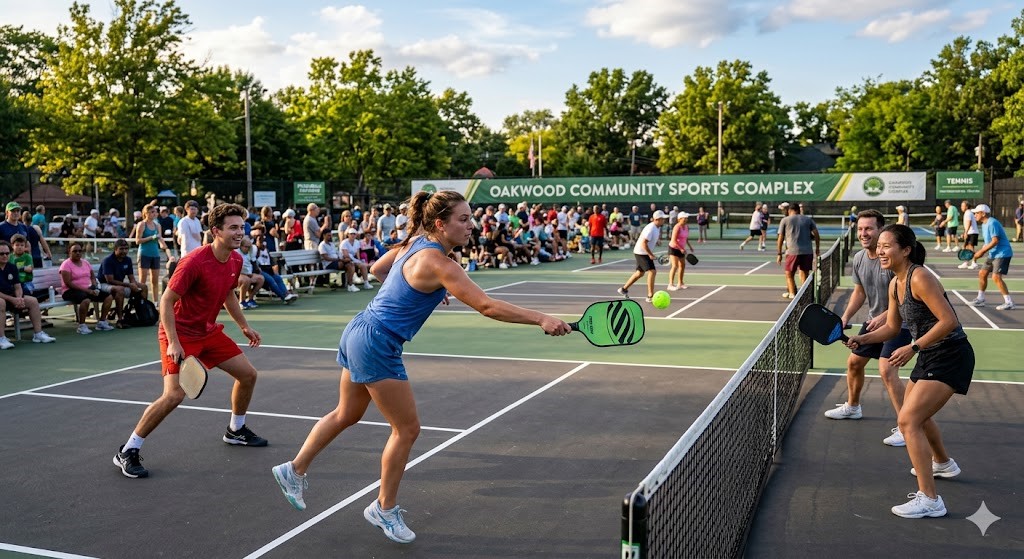
Few sports illustrate this trend better than Pickleball.
What began as a recreational activity has become one of the fastest-growing sports in many countries.
Pickleball combines elements of tennis, badminton, and table tennis while remaining relatively easy for beginners to learn.
The sport emphasizes reflexes, coordination, strategy, and social interaction.
Its accessibility and low-impact nature attract participants across age groups.
Professional leagues, tournaments, and media coverage have further accelerated growth.
Pickleball’s success demonstrates the enormous appeal of coordination-based sports in modern society.
Technology Has Improved Training
Technology has helped hand-eye coordination sports thrive.
Athletes now have access to advanced training tools that accelerate skill development.
Video analysis, reaction-training devices, virtual reality systems, and performance-tracking technology provide valuable feedback.
Coaches can identify weaknesses and design targeted improvement programs.
Athletes gain greater understanding of technique and decision-making.
Technology also makes training more engaging and measurable.
These innovations improve performance while attracting new participants interested in modern training methods.
Health and Cognitive Benefits
Hand-eye coordination sports provide significant health benefits.
Participants improve cardiovascular fitness, balance, agility, and reaction time.
These activities also stimulate cognitive function.
The constant need to process information and make decisions engages the brain actively.
Research has shown that coordination-based activities can support cognitive health and mental sharpness.
This combination of physical and mental benefits appeals to many individuals.
People increasingly seek activities that promote overall wellness rather than simply physical conditioning.
Hand-eye coordination sports meet that demand effectively.
Fast-Paced Action Attracts Fans
Spectators enjoy watching elite coordination-based athletes perform.
The speed and precision displayed at high levels are often remarkable.
Fans appreciate the skill required to execute difficult shots, catches, returns, and reactions.
Sports such as Tennis and Table Tennis feature rapid exchanges that create excitement and suspense.
The difficulty of the skills involved enhances viewer appreciation.
As broadcasting technology improves, audiences can better understand and enjoy these athletic performances.
This entertainment value supports continued popularity.
Social Interaction Strengthens Participation
Many hand-eye coordination sports encourage social interaction.
Doubles formats, recreational leagues, and community tournaments create opportunities for connection.
Participants build friendships and become part of local sports communities.
The social aspect often becomes as important as competition itself.
People enjoy activities that combine exercise with meaningful interaction.
This sense of community helps retain participants and attract newcomers.
Strong social networks contribute significantly to the growth of coordination-based sports.
Youth Development Benefits
Hand-eye coordination sports play important roles in youth development.
These activities help children improve reaction time, concentration, and motor skills.
Coaches often use coordination drills to support overall athletic development.
The benefits extend beyond sports.
Improved coordination can enhance confidence, focus, and physical literacy.
Many parents value activities that support both physical and cognitive growth.
As a result, youth participation remains strong across many coordination-based sports.
Early exposure often leads to lifelong involvement.
Global Growth of Racket Sports
Racket sports continue experiencing significant international growth.
Sports such as Tennis, Badminton, and Table Tennis attract millions of participants worldwide.
These sports combine athleticism, strategy, and precision.
International tournaments generate substantial audiences and media attention.
Professional stars inspire new generations of athletes.
Global governing bodies also invest heavily in development programs and grassroots initiatives.
This sustained investment supports continued expansion.
Mental Challenges Enhance Appeal
Hand-eye coordination sports are mentally demanding.
Athletes must anticipate opponents’ actions, recognize patterns, and make rapid decisions.
Strategy often plays a significant role.
Competitors constantly adjust tactics based on changing circumstances.
This intellectual component attracts participants who enjoy problem-solving and competition simultaneously.
The combination of physical and mental challenges creates highly engaging experiences.
Many athletes find this balance particularly rewarding.
Professional Opportunities Continue Expanding
Professional opportunities have grown across many coordination-based sports.
Athletes can now pursue careers through competitions, coaching, content creation, and sponsorships.
The expansion of professional tours and leagues increases visibility and financial support.
Media coverage introduces athletes to wider audiences.
These opportunities inspire aspiring competitors and contribute to the growth of the sports themselves.
As commercial investment increases, professional pathways become even more attractive.
Adaptability to Modern Lifestyles
Modern lifestyles favor activities that are flexible and efficient.
Many hand-eye coordination sports fit this need well.
Participants can often play within relatively short timeframes and in convenient locations.
Unlike sports requiring large teams or extensive facilities, coordination-based activities can be organized quickly.
This convenience appeals to busy individuals seeking regular physical activity.
Adaptability makes these sports particularly relevant in contemporary society.
The Influence of Social Media
Social media has helped coordination-based sports reach new audiences.
Highlights showcasing incredible reflexes, trick shots, and dramatic rallies perform well online.
Athletes and organizations use digital platforms to connect directly with fans.
Instructional content introduces beginners to new sports and techniques.
This visibility increases awareness and participation.
Social media also helps create global communities around shared interests.
The digital environment has become a powerful growth engine.
Why Precision Sports Resonate Today
Modern audiences increasingly appreciate mastery and skill.
Hand-eye coordination sports showcase extraordinary levels of precision and control.
Participants admire the challenge of developing these abilities.
Spectators enjoy witnessing athletes perform at elite levels.
These sports also offer tangible opportunities for personal improvement.
Individuals can practice regularly and see measurable progress over time.
This combination of challenge and achievement resonates strongly in today’s sports culture.
The Future of Hand-Eye Coordination Sports
The future appears bright for coordination-based sports.
Participation rates continue increasing across multiple disciplines.
Technological innovations will likely improve training and accessibility further.
Professional leagues are expanding, and media exposure continues growing.
At the grassroots level, communities are investing in facilities and programs that support participation.
The broad appeal of these activities suggests continued growth for years to come.
As people seek healthy, social, and engaging forms of recreation, hand-eye coordination sports are well positioned to thrive.
Why These Sports Continue to Endure
Hand-eye coordination sports have remained popular because they combine universal athletic principles with lifelong accessibility.
They reward practice, discipline, and skill development.
Participants experience both physical and mental challenges.
Fans enjoy exciting competition and remarkable displays of precision.
These qualities have timeless appeal.
While sports trends may change over time, the fascination with skillful performance remains constant.
That enduring attraction helps explain the continued success of coordination-based sports around the world.
Final Thoughts
Hand-eye coordination sports are thriving because they offer accessibility, skill development, social connection, and lifelong participation opportunities.
Activities such as Pickleball, Tennis, Badminton, and Table Tennis continue attracting millions of participants globally.
Their growth is driven by health benefits, technological innovation, expanding professional opportunities, and increasing cultural relevance.
Most importantly, these sports celebrate one of the most impressive aspects of human athletic performance: the ability to transform visual information into precise, coordinated action.
As participation and interest continue rising, hand-eye coordination sports will likely remain among the most popular and enduring forms of athletic competition in the world.