
Why Defense Wins Championships in Boxing
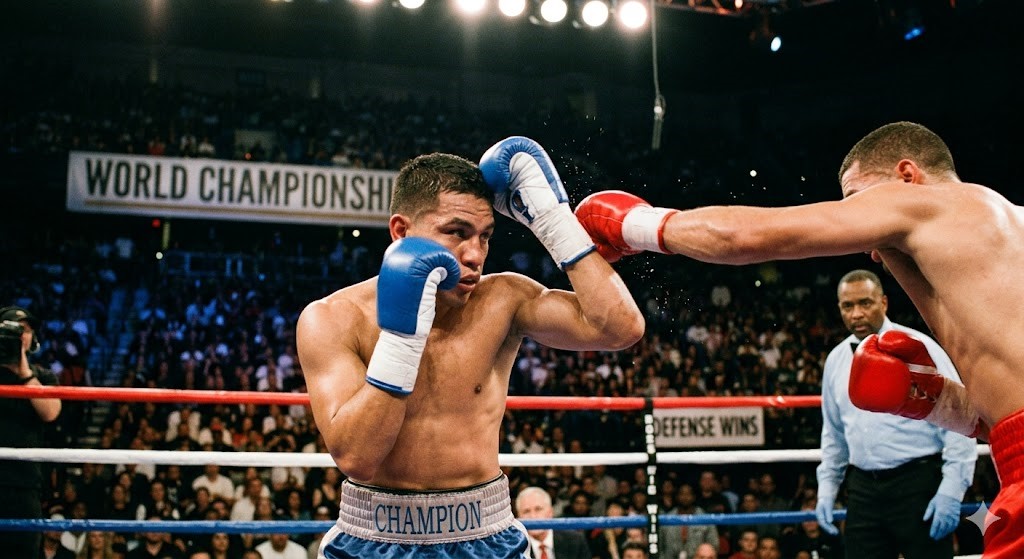
Why Defense Wins Championships in Boxing
Boxing fans often remember spectacular knockouts, devastating power punches, and highlight-reel finishes. These moments generate excitement and attract attention from casual audiences. However, those who truly understand the sport know that championship success is often built on something far less glamorous but infinitely more important: defense.
The old saying “defense wins championships” applies to many sports, but nowhere is it more evident than in boxing. While offensive skills can win individual rounds and create memorable moments, defensive mastery allows fighters to survive, adapt, and consistently defeat elite opponents. Great defense minimizes damage, conserves energy, frustrates opponents, and creates opportunities for counterattacks.
Throughout boxing history, many of the sport’s greatest champions built their legacies on defensive excellence. Fighters such as Floyd Mayweather Jr., Pernell Whitaker, and Willie Pep demonstrated that avoiding punches can be just as valuable as landing them.
In modern boxing, where competition is tougher than ever, defense remains one of the most critical components of championship success.
Understanding Defense in Boxing
Defense in boxing involves much more than simply covering up and avoiding punches.
True defensive skill encompasses movement, positioning, anticipation, timing, footwork, distance management, and ring awareness.
Elite defensive fighters make opponents miss while maintaining their own offensive opportunities.
They understand how to control space and force opponents into uncomfortable situations.
Good defense reduces risk without sacrificing effectiveness.
The best defensive boxers rarely appear passive. Instead, they use defense as a tool to dictate the pace and direction of the fight.
This proactive approach separates great defenders from merely cautious fighters.
The Importance of Avoiding Damage
The most obvious benefit of defense is avoiding punishment.
Every punch absorbed carries consequences.
Even punches that do not result in knockdowns can accumulate damage over time.
Repeated impacts affect stamina, reaction time, vision, and decision-making.
A fighter who absorbs fewer punches remains fresher throughout the fight.
This advantage becomes increasingly important during championship bouts that extend into later rounds.
Defensive fighters preserve both their physical condition and mental sharpness.
Over long careers, effective defense also helps extend longevity.
Many champions who relied heavily on offense experienced significant physical decline because of accumulated damage.
Defensive specialists often remain competitive for longer periods.
Defense Creates Offensive Opportunities
One of the biggest misconceptions about boxing is that defense and offense are separate concepts.
In reality, they work together.
Great defense often creates the best offensive opportunities.
When opponents miss punches, they frequently become vulnerable to counterattacks.
Elite defensive fighters exploit these openings immediately.
For example, Floyd Mayweather Jr. built much of his success on making opponents miss and then landing precise counters.
This strategy allowed him to score points while minimizing risk.
Effective defense therefore serves as the foundation for efficient offense.
Energy Conservation Matters
Boxing is physically demanding.
Championship fights require athletes to maintain focus, movement, and output over many rounds.
Defense helps conserve valuable energy.
Fighters who avoid unnecessary exchanges expend less effort recovering from damage.
They also force opponents to work harder.
Missing punches consumes energy.
Aggressive fighters who repeatedly fail to land clean shots often become frustrated and fatigued.
Defensive specialists capitalize on this dynamic.
By making opponents miss, they gradually shift the physical balance of the fight.
As fatigue increases, defensive advantages often become even more significant.
Psychological Impact on Opponents
Defense affects fighters mentally as well as physically.
Repeatedly missing punches can be incredibly frustrating.
Aggressive fighters often rely on confidence and momentum.
When they cannot land effectively, doubt begins to develop.
This frustration can lead to mistakes.
Opponents may become reckless, abandon strategy, or force punches that are not available.
Defensive fighters thrive in these situations.
They remain patient while opponents grow increasingly desperate.
The psychological pressure created by strong defense often becomes a major factor in championship-level boxing.
Mental fatigue can be just as damaging as physical exhaustion.
Footwork: The Foundation of Defense
Great defense begins with footwork.
A boxer who controls movement controls many aspects of the fight.
Proper footwork allows fighters to create angles, maintain distance, and avoid dangerous positions.
Defensive movement is not about running away.
Instead, it involves efficient positioning that limits opponents’ opportunities.
Elite fighters move with purpose.
Every step helps create advantages.
For example, moving slightly outside an opponent’s lead foot can open offensive opportunities while reducing defensive risks.
Footwork influences nearly every other defensive skill.
Without strong footwork, even technically skilled fighters often struggle against elite competition.
Head Movement and Evasion
Head movement is one of boxing’s most recognizable defensive techniques.
By slipping, ducking, rolling, and weaving, fighters make themselves difficult targets.
Effective head movement forces opponents to adjust constantly.
It also creates opportunities for counters.
The key is efficiency.
Excessive movement can waste energy and create vulnerabilities.
Great defensive fighters move just enough to avoid punches while maintaining balance and position.
This subtlety often makes elite defense difficult for casual fans to appreciate.
The movements may appear small, but their impact is enormous.
Distance Management and Ring Control
Distance is one of the most important concepts in boxing.
Fighters who control distance often control the fight.
Defensive specialists understand exactly where they need to be at all times.
They stay outside dangerous range when appropriate and move into advantageous positions when opportunities arise.
This awareness allows them to dictate engagements.
Opponents frequently struggle to land clean punches because they are consistently out of range.
Distance management also helps fighters avoid unnecessary exchanges.
Champions who master this skill often make difficult fights appear effortless.
Blocking and Parrying
While movement receives much attention, traditional defensive techniques remain essential.
Blocking and parrying help fighters neutralize punches that cannot be avoided entirely.
Effective blocking reduces impact and protects vulnerable areas.
Parrying redirects punches away from their targets while creating offensive openings.
These techniques require timing and precision.
Defensive champions often combine multiple methods seamlessly.
A fighter may slip one punch, block the next, and counter immediately afterward.
This layered approach makes defense extremely difficult to penetrate.
Defensive Responsibility in Every Exchange
Championship fighters understand the importance of defensive responsibility.
Every offensive action carries potential risk.
Throwing punches creates openings.
Great boxers remain aware of these vulnerabilities.
They maintain defensive positioning even while attacking.
This discipline prevents opponents from capitalizing on mistakes.
Many talented offensive fighters struggle because they neglect defensive fundamentals.
At the highest levels of boxing, those mistakes are often punished severely.
Defensive responsibility ensures consistency and long-term success.
Studying Opponent Tendencies
Defense is not purely physical.
It also involves intelligence and preparation.
Great fighters study opponents carefully.
They analyze tendencies, habits, and patterns.
Understanding an opponent’s preferred combinations allows fighters to anticipate attacks more effectively.
This anticipation improves reaction time and defensive efficiency.
Championship-level boxers often enter fights with detailed defensive game plans.
Preparation helps them recognize opportunities and avoid danger.
The mental aspect of defense is frequently underestimated but critically important.
The Role of Defense in Championship Rounds
Championship fights are often decided in later rounds.
Fatigue, pressure, and accumulated damage affect performance significantly.
Defensive fighters frequently perform well during these critical moments because they have preserved energy and avoided excessive punishment.
While opponents slow down, defensive specialists often remain sharp and composed.
This advantage can influence judges and determine outcomes in close contests.
Championship rounds reward discipline, conditioning, and tactical intelligence.
Strong defense supports all three.
Defensive Legends of Boxing
Boxing history is filled with defensive masters.
Willie Pep became legendary for his ability to avoid punches through movement and ring intelligence.
Pernell Whitaker displayed extraordinary reflexes and defensive creativity.
Floyd Mayweather Jr. perfected techniques such as the shoulder roll while maintaining offensive effectiveness.
These fighters demonstrated that defense is not merely about survival.
It is about control.
Their success helped redefine how boxing excellence is measured.
Defense Extends Careers
One of the greatest benefits of strong defense is career longevity.
Boxing is a physically demanding sport with inherent risks.
Fighters who absorb excessive punishment often experience shortened careers.
Defensive specialists typically sustain less damage over time.
This preservation allows them to remain competitive longer.
Longevity also increases opportunities for championships, financial success, and legacy building.
Many of boxing’s longest and most successful careers were built upon defensive discipline.
Avoiding damage today often creates opportunities tomorrow.
Why Casual Fans Sometimes Overlook Defense
Defense is sometimes underappreciated because it lacks the immediate excitement of knockouts and aggressive exchanges.
Casual viewers often focus on offensive highlights.
However, experienced fans and boxing professionals recognize defensive skill as one of the sport’s highest forms of mastery.
Making elite opponents miss consistently requires exceptional timing, intelligence, and athletic ability.
Defensive excellence may not always produce dramatic highlights, but it frequently determines who wins at the championship level.
Understanding defense deepens appreciation for the sport.
Modern Boxing and Defensive Evolution
Modern boxing continues evolving.
Analytics, video analysis, and advanced training methods have improved defensive instruction significantly.
Today’s fighters have access to more information than ever before.
Coaches emphasize defensive fundamentals from early stages of development.
At the same time, offensive styles continue evolving, creating new challenges for defenders.
This ongoing tactical battle keeps boxing dynamic and competitive.
Despite changes in training and strategy, defense remains a cornerstone of success.
The fundamentals continue to prove their value generation after generation.
Why Champions Prioritize Defense
Champions understand that winning consistently requires minimizing risk.
A single mistake can change the outcome of a fight instantly.
Defense provides stability.
It protects fighters during difficult moments and creates opportunities to capitalize on opponents’ errors.
Offense may generate headlines, but defense often generates victories.
The best fighters recognize that every punch avoided is as valuable as many punches landed.
This mindset helps explain why defensive excellence remains so common among boxing’s greatest champions.
Final Thoughts
Defense wins championships in boxing because it reduces damage, conserves energy, creates offensive opportunities, and frustrates opponents.
Elite defensive skills allow fighters to control distance, manage risk, and remain effective deep into fights.
Legends such as Floyd Mayweather Jr., Pernell Whitaker, and Willie Pep demonstrated that defensive mastery is one of the most valuable assets a boxer can possess.
While knockouts capture attention, defense often determines who reaches the top of the sport and stays there.
In the end, championship boxing is not simply about landing punches.
It is about avoiding them as well.
And that is why defense continues to be the foundation of lasting success inside the ring.