
How Grassroots Programs Build Elite Athletes
How Grassroots Programs Build Elite Athletes
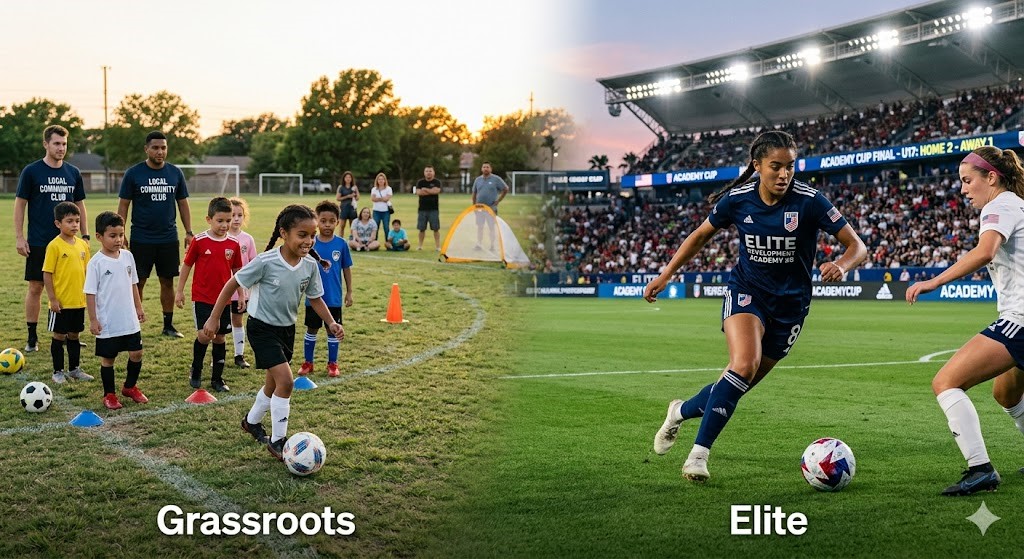
Every elite athlete begins somewhere. Long before championship trophies, professional contracts, Olympic appearances, or national recognition, most athletes take their first steps in grassroots sports programs. These local initiatives serve as the foundation of athletic development, providing young participants with opportunities to learn skills, build confidence, and develop a lifelong passion for competition.
Grassroots programs are often the unsung heroes of the sports world. While professional leagues and major international competitions receive most of the attention, grassroots organizations create the environments where future stars first discover their potential. They introduce children to sports, teach fundamental skills, foster character development, and establish pathways that can eventually lead to elite competition.
From soccer fields and baseball diamonds to basketball courts and swimming pools, grassroots programs play a critical role in shaping athletes at every level. The success of many of the world’s greatest competitors can be traced back to local coaches, community leagues, and youth development initiatives that provided early opportunities and support.
Understanding how grassroots programs build elite athletes reveals why these programs remain one of the most important investments in the future of sports.
What Are Grassroots Sports Programs?
Grassroots sports programs are community-based initiatives designed to introduce individuals to athletic participation.
These programs typically focus on youth involvement, skill development, and broad participation rather than elite competition.
The primary goal is to make sports accessible to as many people as possible.
Grassroots programs can be operated by schools, community organizations, local clubs, national governing bodies, or volunteer groups.
They often serve as entry points into organized sports.
Participants learn basic skills, rules, teamwork, and sportsmanship while developing physical literacy.
These early experiences frequently shape an athlete’s long-term relationship with sports.
Without strong grassroots systems, many future champions might never discover their talents.
Early Exposure Creates Opportunities
One of the most important functions of grassroots programs is providing early exposure to sports.
Many children would never have the opportunity to participate without local programs available in their communities.
Early participation helps young athletes explore different activities and identify interests.
Exposure also allows coaches and parents to recognize potential talent.
Athletes often discover strengths they did not know they possessed.
The earlier young people are introduced to positive sporting environments, the greater the likelihood they will remain active participants.
Grassroots programs therefore play a crucial role in expanding opportunities and broadening athletic participation.
Building Fundamental Skills
Elite performance begins with strong fundamentals.
Grassroots programs focus heavily on teaching basic skills that form the foundation for future development.
Athletes learn proper techniques, movement patterns, and game concepts.
These early lessons are critical because habits formed during youth often remain throughout athletic careers.
A soccer player learns passing and ball control.
A baseball player develops throwing and catching mechanics.
A basketball player practices dribbling and shooting fundamentals.
Strong technical foundations make advanced skill development easier later.
The quality of early instruction can significantly influence long-term success.
Developing Physical Literacy
Physical literacy refers to the ability to move confidently and effectively in various physical activities.
Grassroots programs help children develop essential movement skills such as running, jumping, balancing, throwing, catching, and changing direction.
These abilities support performance across multiple sports.
Athletes with strong physical literacy often adapt more easily to new challenges.
They possess better coordination, body control, and athletic awareness.
Physical literacy also contributes to injury prevention and overall fitness.
By emphasizing movement development, grassroots programs create versatile athletes capable of reaching higher levels of competition.
Creating a Love for Sports
One of the greatest contributions of grassroots programs is fostering enjoyment.
Young athletes who enjoy sports are more likely to continue participating.
Positive experiences build enthusiasm and motivation.
Children who associate sports with fun, friendship, and achievement often remain involved for years.
This sustained participation is essential for long-term development.
Elite athletes rarely reach the highest levels through talent alone.
They require years of dedicated practice and competition.
A genuine passion for sports helps sustain that commitment.
Grassroots programs help cultivate this passion from an early age.
The Importance of Volunteer Coaches
Many grassroots programs depend on volunteer coaches.
These individuals play critical roles in athlete development.
They teach skills, provide encouragement, and create supportive environments.
While volunteers may not always possess elite coaching credentials, their influence can be profound.
A positive coach can inspire confidence and enthusiasm.
Young athletes often remember their first coaches long after their playing careers end.
Volunteer coaches help establish values and attitudes that contribute to future success.
Their dedication forms the backbone of many grassroots systems.
Identifying Athletic Potential
Grassroots programs provide opportunities to identify emerging talent.
Not every participant will become an elite athlete, but broad participation increases the likelihood of discovering exceptional abilities.
Coaches observe skill development, athleticism, competitiveness, and work ethic.
Talented athletes can then be directed toward advanced training opportunities.
Effective talent identification depends on large participation pools.
The more children involved in sports, the greater the chances of uncovering future stars.
Grassroots programs therefore serve as essential talent pipelines for higher levels of competition.
Encouraging Multi-Sport Participation
Many successful grassroots systems encourage athletes to participate in multiple sports.
This approach promotes well-rounded athletic development.
Different sports develop different skills and movement patterns.
A basketball player may improve coordination useful in soccer.
A baseball player may benefit from skills developed in tennis.
Multi-sport participation reduces burnout and overuse injuries.
It also helps athletes discover activities that best match their interests and abilities.
Many elite athletes participated in several sports during childhood before eventually specializing.
Grassroots programs support this broad developmental approach.
Teaching Teamwork and Communication
Sports involve more than physical skills.
Grassroots programs teach important interpersonal abilities as well.
Athletes learn teamwork, communication, cooperation, and leadership.
These skills contribute to both athletic and personal success.
Working with teammates helps children develop social confidence and emotional intelligence.
They learn how to support others and handle group responsibilities.
These lessons remain valuable long after athletic careers conclude.
The character-building aspects of grassroots sports are among their most important contributions.
Building Confidence Through Achievement
Confidence plays a significant role in athletic development.
Grassroots programs provide opportunities for achievement and personal growth.
Learning a new skill, improving performance, or contributing to a team success can boost self-esteem.
These positive experiences encourage continued participation.
Confident athletes are often more willing to embrace challenges and pursue ambitious goals.
Grassroots environments should emphasize progress and effort rather than simply winning.
This approach helps young athletes build healthy confidence that supports future development.
Creating Pathways to Higher Levels
Strong grassroots systems create clear pathways for advancement.
Athletes who demonstrate potential can progress to more competitive environments.
These pathways may include club teams, regional programs, academies, high school competition, collegiate athletics, and professional development systems.
Structured progression helps athletes and families understand development opportunities.
Clear pathways also motivate participants by providing tangible goals.
The connection between grassroots participation and elite competition strengthens the overall sports ecosystem.
Without effective pathways, talent can be overlooked or lost.
The Role of Competition
Competition is an important component of athlete development.
Grassroots programs introduce participants to competitive environments gradually and appropriately.
Young athletes learn how to handle success and disappointment.
They develop resilience, focus, and emotional control.
Healthy competition encourages improvement while maintaining enjoyment.
The objective is not merely winning games.
Instead, competition serves as a learning tool that promotes growth.
Elite athletes often develop competitive instincts through years of participation in grassroots sports.
Access and Inclusion Matter
Effective grassroots programs prioritize accessibility and inclusion.
Every child should have opportunities to participate regardless of background or circumstances.
Inclusive programs broaden participation and strengthen talent pools.
They also promote social development and community engagement.
Removing barriers such as cost, transportation, and equipment challenges increases opportunities for future athletes.
Many elite competitors emerge from communities where grassroots programs provided access that otherwise would not have existed.
Inclusivity benefits both individuals and sports organizations.
Community Support Strengthens Development
Grassroots programs thrive when communities support them.
Parents, schools, businesses, volunteers, and local organizations all contribute to success.
Community involvement creates stable environments where athletes can develop.
Facilities, funding, equipment, and volunteer support improve program quality.
Strong community connections also enhance participation rates.
Athletes often perform best when surrounded by supportive networks.
Grassroots sports create relationships that strengthen both individuals and communities.
These connections contribute to long-term success.
Long-Term Athlete Development
Modern sports organizations increasingly embrace long-term athlete development models.
These approaches emphasize age-appropriate training and gradual progression.
Grassroots programs play essential roles within these frameworks.
Young athletes focus on learning skills and enjoying participation rather than pursuing early specialization or excessive competition.
Development occurs in stages.
This approach reduces burnout and supports sustainable growth.
Long-term development models recognize that elite performance often requires many years of preparation.
Grassroots programs provide the foundation for that journey.
Developing Mental Skills
Mental skills are crucial for elite performance.
Grassroots sports introduce athletes to concepts such as focus, discipline, perseverance, and resilience.
Participants encounter challenges that require problem-solving and emotional control.
Learning to overcome setbacks builds mental toughness.
Athletes who develop strong psychological skills during childhood often adapt more effectively to future competitive demands.
These experiences help prepare individuals for the pressures associated with elite sports.
Mental development is just as important as physical development.
Technology and Modern Grassroots Development
Technology increasingly influences grassroots sports.
Coaches use video analysis, online resources, and performance tracking tools to enhance instruction.
Athletes gain access to educational content and training information that was once unavailable.
Technology can improve communication and learning.
However, the core principles of grassroots development remain unchanged.
Positive coaching, skill development, and participation opportunities continue to matter most.
Technology serves as a supplement rather than a replacement for strong program foundations.
Examples of Successful Grassroots Systems
Many countries with strong international sports performances invest heavily in grassroots development.
Soccer academies, youth baseball leagues, basketball programs, and swimming clubs often begin with community-level participation.
Successful national systems recognize that elite performance depends on broad participation bases.
The most effective programs focus on both development and accessibility.
They understand that future champions emerge from grassroots environments.
These systems create pipelines that consistently produce talented athletes.
Their success demonstrates the importance of investing in foundational programs.
Challenges Facing Grassroots Programs
Despite their importance, grassroots programs face numerous challenges.
Funding limitations, facility shortages, volunteer recruitment difficulties, and rising participation costs can create obstacles.
Some communities struggle to provide adequate opportunities.
Addressing these challenges requires collaboration among stakeholders.
Governments, sports organizations, schools, and private partners all play important roles.
Investing in grassroots sports generates long-term benefits for individuals and society.
Supporting these programs remains essential for future athletic development.
Why Grassroots Programs Produce Champions
Elite athletes are rarely created through advanced training alone.
Their development begins years earlier through foundational experiences.
Grassroots programs provide those experiences.
They teach skills, build confidence, foster passion, and create opportunities.
Champions often emerge because someone introduced them to sports, encouraged their participation, and supported their growth.
Grassroots programs make those connections possible.
The pathway to elite performance almost always begins at the community level.
Final Thoughts
Grassroots programs build elite athletes by providing early exposure, teaching fundamental skills, developing physical literacy, and creating positive sporting experiences.
They identify talent, foster confidence, encourage long-term participation, and establish pathways to higher levels of competition.
Through the efforts of coaches, volunteers, families, and communities, grassroots sports create the foundation upon which athletic excellence is built.
While professional championships and international competitions capture headlines, the journey to elite performance often begins on local fields, courts, tracks, and playgrounds.
In the end, every elite athlete starts somewhere.
More often than not, that starting point is a grassroots sports program that helped transform potential into achievement.