
Padel Tournaments and Leagues: How Competitive Padel Works
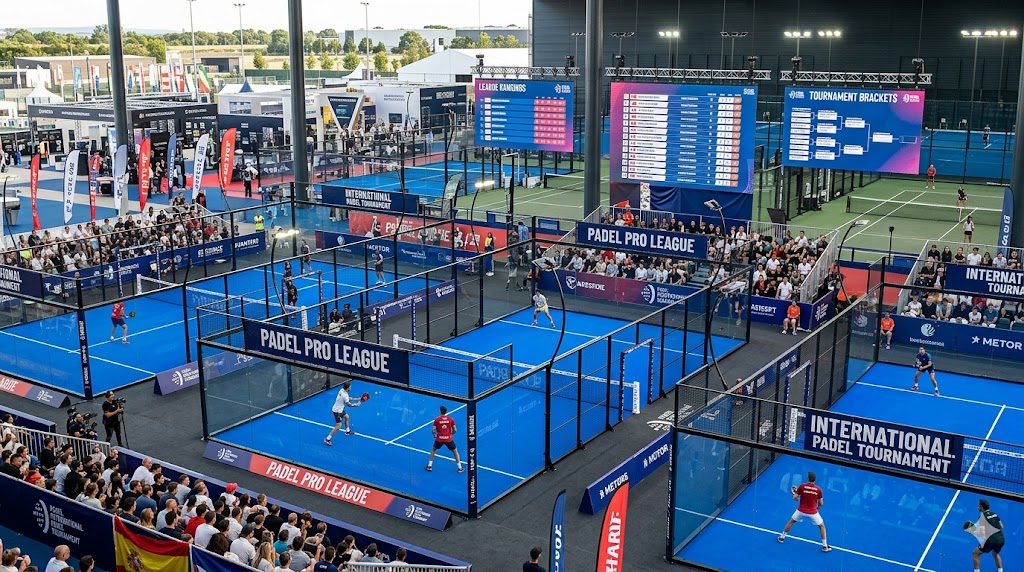
Padel Tournaments and Leagues: How Competitive Padel Works
Padel has grown from a recreational pastime into a global competitive sport. Millions of players now participate in organized leagues and tournaments across Europe, Latin America, and increasingly North America.
The sport’s fast pace, social atmosphere, and relatively short learning curve make it ideal for competitive play. Beginners can enjoy friendly matches within weeks, while experienced players compete in structured leagues and professional tours.
As interest continues to expand, new tournaments and leagues appear every year.
Players who understand the competitive structure of the sport gain a deeper appreciation for padel. They also gain opportunities to challenge themselves and improve their skills.
If you are new to the game, start by reading The Ultimate Beginner’s Guide to Padel: Rules, Equipment, Strategy, and How to Start Playing. That guide introduces the fundamentals and explains how players begin their padel journey.
In this article, we will explore how padel tournaments and leagues operate at recreational, amateur, and professional levels.
Why Competitive Padel Is Growing Rapidly
Padel competitions have increased dramatically over the past two decades.
Several factors contribute to this growth.
First, padel is easier to learn than many other racket sports. Beginners can participate in rallies almost immediately.
Second, the sport is usually played in doubles. This format creates a social environment that encourages friendly competition.
Third, padel courts require less space than tennis courts. Because of this efficiency, many clubs can install multiple courts in limited areas.
As more facilities appear, competitive opportunities expand.
Local clubs often host weekly leagues, while international organizations organize professional tours.
These competitive structures help promote the sport worldwide.
Recreational Padel Leagues
Most players begin their competitive experience in recreational leagues.
Clubs organize these leagues to provide structured play for members. Participants compete against teams of similar skill levels.
Recreational leagues emphasize fun, social interaction, and steady improvement.
Players usually form doubles teams with friends or partners from their club.
League matches often occur once per week during a season that lasts several weeks or months.
This format allows players to compete regularly without overwhelming schedules.
Understanding the basics of the sport helps beginners feel comfortable entering their first league. Many players start by studying Official Padel Rules Explained: Court Dimensions, Serving, and Gameplay.
Skill Divisions in Padel Leagues
To maintain fair competition, leagues typically divide players into skill levels.
These divisions allow beginners and advanced players to compete against opponents with similar abilities.
Common skill divisions may include:
Beginner
Intermediate
Advanced
Open or elite
Each division plays separate matches within the league.
Players may move between divisions as their skills improve.
This system encourages steady development while keeping matches competitive.
League Match Format
League matches usually follow the standard padel scoring system.
Matches commonly consist of best-of-three sets.
Each set uses traditional tennis-style scoring, including games and tiebreakers.
Teams earn points in the league standings based on match results.
For example, a win may award two points, while a loss awards zero points.
At the end of the season, teams with the best records often qualify for playoff rounds or championship matches.
These league formats create excitement and motivation throughout the season.
Local Padel Tournaments
In addition to leagues, many clubs host standalone tournaments.
These events may occur during weekends or special club celebrations.
Local tournaments often attract players from nearby clubs or communities.
Tournament formats vary depending on the number of participants.
Common structures include:
Single-elimination tournaments
Double-elimination tournaments
Round-robin competitions
Single-elimination tournaments eliminate teams after one loss. Double-elimination events give teams a second chance through consolation brackets.
Round-robin tournaments allow teams to play multiple matches before determining final standings.
These formats create exciting and competitive events for players and spectators.
Amateur Padel Competitions
As players gain experience, they often participate in larger amateur tournaments.
Regional organizations frequently organize these competitions.
Amateur tournaments may include hundreds of players across multiple divisions.
These events often take place at large clubs with several courts.
Players travel from different cities to compete.
Amateur competitions usually divide participants into categories based on skill level and sometimes age group.
Winning an amateur tournament can become a significant milestone in a player’s development.
Strong performance at these events often inspires players to pursue higher levels of competition.
National Padel Federations
Many countries now have official padel federations.
These organizations govern the sport within their regions.
National federations typically handle:
rule enforcement
tournament organization
ranking systems
national team selection
They also work to promote padel through youth programs and coaching certifications.
National federations often collaborate with international governing bodies to maintain consistent rules and standards.
Players who want to understand the official regulations should review Official Padel Rules Explained: Court Dimensions, Serving, and Gameplay.
Professional Padel Tours
Professional padel has developed rapidly during the past decade.
Several international tours now showcase the best players in the world.
These tours feature elite athletes competing for prize money, ranking points, and global recognition.
Professional events often attract large crowds and television audiences.
Matches showcase the highest level of skill, strategy, and athleticism in the sport.
Professional players demonstrate advanced techniques described in Essential Padel Shots Every Beginner Should Learn.
Watching professional matches can inspire recreational players and accelerate learning.
Tournament Structure at the Professional Level
Professional padel tournaments follow structured brackets.
Teams usually compete in elimination rounds until a champion emerges.
Early rounds may include dozens of teams, while later rounds feature the strongest competitors.
Quarterfinals, semifinals, and championship matches often take place in front of large audiences.
These events showcase dramatic rallies and intense competition.
Professional players rely heavily on strategy and teamwork.
Many of these tactical concepts appear in Winning Padel Strategies: Positioning, Teamwork, and Shot Selection.
Ranking Systems in Competitive Padel
Professional and amateur players often earn ranking points through tournaments.
Ranking systems track player performance across multiple events.
Higher rankings allow players to enter prestigious tournaments and receive favorable seeding.
Seeding prevents top teams from facing each other during early rounds.
As players accumulate points, they climb the rankings and gain recognition.
These ranking systems help maintain fairness and competitive balance.
The Role of Coaching in Competitive Padel
Competitive players often work with coaches to improve their performance.
Coaches analyze technique, strategy, and positioning.
They also help players develop training routines and match preparation plans.
Many clubs offer coaching programs for players at every skill level.
Working with a coach can accelerate improvement dramatically.
Even recreational players benefit from occasional lessons.
These sessions help players avoid common errors described in Common Padel Mistakes Beginners Make and How to Fix Them.
Training for Competitive Play
Players who want to compete seriously must train regularly.
Training usually includes several elements.
First, players practice technical skills such as volleys, lobs, and smashes.
Second, they focus on physical conditioning.
Padel requires agility, quick reactions, and endurance.
Third, players develop strategic awareness.
Understanding when to attack or defend can determine the outcome of a match.
Consistent practice on a quality court also plays an important role.
Players who need access to facilities can learn more in How to Build or Find a Padel Court Near You.
The Social Side of Padel Competition
Although padel tournaments involve serious competition, the sport maintains a strong social atmosphere.
Players often gather after matches to discuss strategy, share experiences, and celebrate victories.
This community spirit helps explain why the sport spreads quickly.
Clubs frequently host social events alongside tournaments.
These gatherings strengthen friendships among players.
For many participants, the social experience becomes just as important as the competition itself.
The Future of Competitive Padel
Padel continues expanding at an impressive pace.
New courts appear in cities across the world.
Professional tours attract increasing media coverage.
Many experts believe padel could eventually become one of the most widely played racket sports globally.
Youth programs also continue growing.
Young athletes now train specifically for competitive padel careers.
As facilities expand and talent develops, the sport’s competitive structure will continue evolving.
Final Thoughts on Padel Tournaments and Leagues
Competitive padel offers exciting opportunities for players at every skill level.
Beginners can start with recreational leagues at local clubs.
Amateur tournaments provide larger competitive experiences.
Professional tours showcase the highest level of skill and athleticism.
These competitions help drive the sport’s rapid global growth.
Most importantly, they allow players to challenge themselves while enjoying the social spirit that makes padel unique.
Whether you play casually with friends or compete in organized tournaments, padel offers a rewarding and dynamic sporting experience.
Continue Learning About Padel
Explore the rest of the padel learning series:
The Ultimate Beginner’s Guide to Padel: Rules, Equipment, Strategy, and How to Start Playing
Official Padel Rules Explained: Court Dimensions, Serving, and Gameplay
Padel Court Layout and Dimensions: Understanding the Walls, Net, and Service Boxes
Padel Equipment Guide: Choosing the Right Racket, Balls, and Shoes
Essential Padel Shots Every Beginner Should Learn
Winning Padel Strategies: Positioning, Teamwork, and Shot Selection
Common Padel Mistakes Beginners Make and How to Fix Them
How to Build or Find a Padel Court Near You