
How Social Media Helps Niche Sports Grow
How Social Media Helps Niche Sports Grow
For decades, growing a sport required something that many smaller and emerging sports simply didn’t have: access to mainstream media.
Television networks decided which sports deserved airtime.
Newspapers decided which events received coverage.
Radio stations decided which athletes received interviews.
Major advertisers determined which competitions received significant promotional budgets.
That system created an enormous barrier for niche sports.
A sport could have passionate athletes, dedicated fans, exciting competition and a thriving local community while remaining almost completely invisible to the broader sporting public.
Social media has changed that equation.
Today, a relatively small sport can create its own audience without waiting for a television network to discover it.
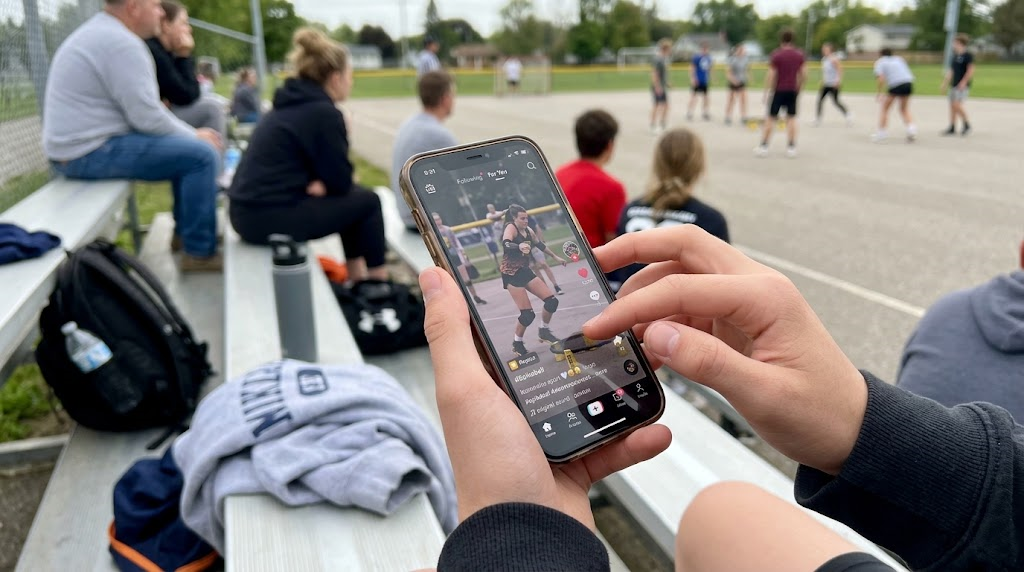
An athlete can record a competition and reach thousands of viewers.
A league can post highlights immediately.
A tournament organizer can announce an event directly to potential participants.
Fans can create communities around sports that receive little traditional media coverage.
And a spectacular moment from a niche competition can suddenly reach millions of people if the right video catches fire.
Social media has given niche sports something they historically struggled to obtain: direct access to potential fans.
That doesn’t mean every niche sport will suddenly become mainstream.
It doesn’t eliminate the financial challenges of running leagues, tournaments and events.
It doesn’t guarantee that online attention will become ticket sales, sponsorships or participation.
But it does dramatically lower the barrier to exposure.
For sports trying to grow, that is an enormous advantage.
What Makes a Sport “Niche”?
The term niche sport can mean different things.
Some sports have millions of participants but relatively little mainstream media coverage.
Others have passionate international followings but remain secondary to larger sports in their home countries.
Still others are extremely small, with participation concentrated in particular regions or communities.
Sports such as disc golf, pickleball, cornhole, climbing, padel, rugby, lacrosse, ultimate, fencing and many forms of motorsports have demonstrated that a sport can develop a substantial audience without initially receiving the kind of mainstream exposure enjoyed by football, basketball or baseball.
Niche does not necessarily mean unpopular.
It often means that a sport’s audience is specialized rather than universally distributed.
That distinction is important because specialized audiences can actually be extremely valuable.
Social Media Removes the Gatekeeper
Traditional sports media operates through limited space.
A television network has a finite number of hours.
A newspaper has a finite number of pages.
A sports website has a finite amount of homepage space.
Social media doesn’t operate in quite the same way.
Thousands of pieces of sports content can be published every day.
A niche sport doesn’t necessarily have to compete directly with the NFL, NBA or MLB for a television slot.
It can create its own channel.
Its athletes can create their own channels.
Its leagues can create their own channels.
Its fans can create their own channels.
That creates an entirely different growth model.
Instead of asking mainstream media for permission to reach an audience, niche sports can build audiences directly.
That is perhaps the biggest structural change social media has brought to sports.
Short-Form Video Is Especially Powerful
Among all forms of social-media content, short-form video may be one of the most useful tools available to niche sports.
A viewer doesn’t need to understand the entire history of a sport to appreciate an incredible moment.
A spectacular climbing move can be understood visually.
A disc golf ace is easy to appreciate.
A dramatic cornhole finish can be exciting.
A skateboard trick doesn’t require a lengthy explanation.
A racing pass can create immediate tension.
A volleyball spike can communicate athleticism instantly.
A martial-arts finish can generate excitement without requiring a detailed rules lesson.
Visual sports moments can introduce an unfamiliar sport to an audience in seconds.
That is a tremendous advantage.
The Highlight Can Become the Introduction
Traditional sports marketing often asks viewers to learn about a sport before they appreciate it.
Social media can reverse that process.
A person might see a 20-second clip of an incredible disc golf throw.
They think:
“That was impressive.”
Then they watch another clip.
Then they discover a player.
Then they learn about the rules.
Then they discover a tournament.
Eventually, they may become a participant.
The initial exposure doesn’t have to begin with a rules explanation.
It can begin with a spectacular moment.
A great highlight can serve as the first chapter in a fan’s relationship with a niche sport.
Social Media Makes Athletes More Accessible
In major professional sports, fans can sometimes feel separated from athletes.
Media obligations, team structures and enormous audiences create distance.
Niche sports often operate differently.
Athletes can communicate directly with followers.
They can show training sessions.
They can explain techniques.
They can discuss equipment.
They can share travel experiences.
They can show what happens behind the scenes.
They can answer questions.
This creates something incredibly valuable:
Personality.
Fans don’t just follow sports; they follow people.
A niche athlete who consistently creates interesting content can build an audience far beyond the size of the traditional fan base for the sport.
Personality Can Become a Growth Engine
Consider two athletes with similar competitive ability.
One only appears during competitions.
The other posts regularly, interacts with fans, explains techniques, shares funny moments and documents the competitive lifestyle.
The second athlete has more opportunities to remain in the audience’s consciousness.
That doesn’t necessarily make the second athlete better.
But it can make that athlete more recognizable.
Recognition matters because recognizable athletes give new fans a reason to keep watching.
Behind-the-Scenes Content Matters
Not every social-media post needs to be a highlight.
In fact, constantly posting competition clips can become repetitive.
Behind-the-scenes material provides another form of storytelling.
Fans may want to see:
- Training sessions
- Equipment preparation
- Travel
- Tournament setup
- Locker rooms
- Practice routines
- Athlete interviews
- Team meetings
- Venue preparation
- Recovery
- Coaching
- Strategy discussions
This content helps fans understand what participating in the sport actually involves.
Behind-the-scenes content turns an event into a story rather than simply a result.
Equipment Content Can Drive Discovery
Many niche sports have another major advantage:
Equipment is interesting.
Disc golf has discs.
Climbing has shoes, ropes and protection equipment.
Cycling has bikes.
Fishing has rods, reels and tackle.
Motorsports has cars, motorcycles and technical equipment.
Pickleball has paddles.
Golf has clubs.
Snowboarding has boards and gear.
Fans often become curious about the equipment used by competitors.
That creates opportunities for manufacturers, retailers, athletes and media organizations.
Equipment content can connect sports entertainment with participation and commerce.
Someone who watches a video about a sport’s equipment may eventually decide to try the sport themselves.
Social Media Can Turn Spectators Into Participants
This may be one of the most important benefits.
A traditional sports fan can watch a professional athlete and remain a spectator.
Niche sports often have a lower barrier between watching and participating.
Someone sees an impressive disc golf throw and thinks:
“I could try that.”
Someone watches a climbing competition and visits a climbing gym.
Someone watches a pickleball match and looks for a local court.
Someone watches a cornhole tournament and buys a set.
Someone watches a skateboarding video and starts practicing.
Social media can create a direct pathway from discovery to participation.
That is incredibly valuable for the long-term health of a sport.
Local Sports Can Benefit Tremendously
Social media isn’t only useful for national organizations.
It can transform local sports.
A local tournament that previously would have received almost no media coverage can now publish:
- Event announcements
- Player introductions
- Match schedules
- Results
- Highlights
- Interviews
- Photos
- Behind-the-scenes videos
- Championship clips
The audience doesn’t have to be enormous.
A local event might only need hundreds of engaged followers to create meaningful value.
That can help tournaments attract participants and sponsors.
Social media allows small sports organizations to market themselves at a scale that was previously available mainly to much larger organizations.
Community Is the Secret Weapon
Niche sports often have passionate communities.
That passion is a competitive advantage.
Fans of a niche sport may be willing to discuss equipment, techniques, tournaments and athletes for hours.
Social media gives those communities places to gather.
A Facebook group.
A Discord community.
A Reddit discussion.
An Instagram account.
A YouTube channel.
A TikTok community.
A dedicated sports website.
Each platform can serve a different purpose.
The key is that the audience begins communicating with itself.
That creates something more powerful than one-way advertising.
It creates community.
User-Generated Content Multiplies Exposure
A sport doesn’t have to produce every piece of content itself.
Fans can become broadcasters.
Players can become creators.
Coaches can become educators.
Tournament organizers can become reporters.
Parents can become videographers.
Spectators can capture spectacular moments.
This creates an enormous amount of potential content.
The more people who participate in creating content around a sport, the more opportunities that sport has to reach new audiences.
That is especially important for sports without large media budgets.
Social Media Algorithms Can Help Unknown Sports Break Through
One of the most unusual characteristics of modern social platforms is that content isn’t always distributed according to the creator’s existing popularity.
A relatively unknown account can sometimes publish a video that dramatically outperforms its normal audience.
That creates an opportunity for niche sports.
A clip doesn’t necessarily need a famous athlete.
It needs to capture attention.
The algorithm doesn’t understand the sport’s traditional place in the media hierarchy.
It reacts to viewer behavior.
People watch.
People share.
People comment.
People rewatch.
The content spreads.
That can create exposure that would have been extremely difficult to purchase through traditional advertising.
Virality Can Change a Sport’s Visibility Overnight
A single viral moment can dramatically increase awareness.
Consider what happens when an unusual sports moment captures the internet.
People who have never watched the sport suddenly ask:
“What sport is this?”
“Where can I watch it?”
“Who is that athlete?”
“How does this work?”
That curiosity is incredibly valuable.
But virality alone isn’t enough.
The sport needs somewhere to send those newly interested viewers.
Discovery Must Lead Somewhere
This is where many organizations make mistakes.
They celebrate views without building a pathway for new fans.
Imagine a video receives five million views.
Fantastic.
But what happens next?
Does the viewer know where to watch the sport?
Can they find upcoming events?
Can they learn the rules?
Can they find local clubs?
Can they buy equipment?
Can they follow the athlete?
Can they watch another competition?
If the answer is no, much of that attention disappears.
The real objective isn’t simply generating viral content; it is converting viral attention into long-term interest.
YouTube Can Build Long-Term Audiences
Short-form platforms are excellent for discovery.
YouTube can be particularly useful for deeper engagement.
Long-form videos can explain:
- Rules
- Strategies
- Player profiles
- Event recaps
- Equipment
- Training
- History
- Tactics
- Interviews
- Documentaries
That gives new fans a way to move from curiosity to understanding.
A person might discover a sport through a 30-second clip and then watch a 20-minute explanation.
That is a much stronger relationship.
Educational Content Is an Underrated Growth Tool
Niche sports often have complicated rules.
That can be a barrier to entry.
A newcomer may enjoy watching a sport but have no idea what is happening.
Educational content solves that problem.
A simple video explaining the scoring system can make a sport much easier to follow.
A beginner’s guide can turn curiosity into participation.
A strategy video can turn a casual viewer into a serious fan.
Teaching people how a sport works can be just as important as showing them the sport’s best highlights.
This is particularly useful for sports such as climbing, disc golf, rugby, cricket, fencing and other sports that may be unfamiliar to casual American audiences.
Social Media Helps Explain the Culture of a Sport
Sports aren’t only rules and competition.
They have cultures.
They have traditions.
They have personalities.
They have terminology.
They have rituals.
They have equipment preferences.
They have rivalries.
They have inside jokes.
Social media allows new fans to learn those cultural elements naturally.
That can make the sport feel like a community rather than simply an activity.
Influencers Can Introduce Entirely New Audiences
Sports don’t necessarily have to rely only on traditional athletes.
Creators can become ambassadors.
A popular fitness creator might introduce climbing.
A golf creator might introduce disc golf.
A lifestyle creator might introduce pickleball.
A motorsports creator might introduce kart racing.
A comedian might introduce cornhole.
A travel creator might introduce surfing.
The possibilities are enormous.
Cross-promotion allows niche sports to borrow audiences from completely different areas of the internet.
That can dramatically expand reach.
Collaboration Is More Powerful Than Isolation
Niche sports organizations sometimes focus too heavily on competing with one another for attention.
Collaboration can be more productive.
Athletes can appear on other athletes’ channels.
Sports can collaborate on events.
Creators can cross-promote.
Leagues can share audiences.
Equipment companies can work with competitors and influencers.
Media organizations can cover multiple sports.
The goal isn’t always to divide a limited audience.
It can be to expand the entire ecosystem.
Sponsors Now Have More Data
Social media also changes the sponsorship conversation.
Traditional sports sponsorships often rely heavily on broad audience estimates.
Digital platforms provide additional information.
Organizations can show sponsors:
- Video views
- Engagement
- Audience demographics
- Geographic reach
- Website traffic
- Click-through rates
- Conversion data
- Follower growth
- Content performance
That can make niche sports more attractive to advertisers.
A sponsor doesn’t necessarily need a million viewers.
It may want 50,000 highly engaged consumers who are directly interested in its product category.
A smaller but highly targeted sports audience can be commercially valuable.
Niche Audiences Can Be Extremely Loyal
This is one of the biggest advantages smaller sports have.
Mainstream sports have enormous audiences.
But enormous audiences aren’t necessarily highly engaged with every piece of content.
Niche sports often have communities where fans are deeply invested.
They know the athletes.
They follow tournaments.
They care about equipment.
They participate themselves.
They attend events.
They share content.
That creates an attractive environment for sponsors.
Social Media Helps Sponsors Become Part of the Sport
A sponsor doesn’t necessarily need to interrupt sports content with advertisements.
It can become part of the content.
An equipment manufacturer can demonstrate products.
A clothing company can sponsor athlete videos.
A travel company can document tournament travel.
A food company can sponsor behind-the-scenes content.
A sports website can create educational content with sponsorship support.
The best sports sponsorships feel like they belong inside the sport rather than being placed on top of it.
Hashtags and Search Still Matter
Discovery isn’t entirely algorithmic.
Search remains important.
Sports organizations should use clear terminology.
If someone searches for a sport, tournament, athlete or equipment category, they should be able to find useful information.
Consistent naming matters.
Official accounts should be easy to identify.
Event information should be current.
Links should work.
This sounds basic.
But basic discoverability can make an enormous difference.
Social Media Gives Niche Sports a Global Audience
A local sport is no longer necessarily local.
A tournament in one country can be watched by fans on another continent.
An athlete in Europe can build fans in North America.
A Japanese sports community can introduce an American audience to a new competition.
A Brazilian athlete can become popular globally.
Social media turns niche sports into potentially international communities.
That is especially important for sports that already have participation across multiple countries.
Women’s and Adaptive Sports Can Benefit
Social media can also increase visibility for athletes and competitions that have historically received less mainstream coverage.
Women’s sports can build direct audiences.
Adaptive sports can showcase athletic performances that mainstream media may not consistently feature.
Youth competitions can reach family audiences.
Masters competitions can attract older participants.
The important point is that social platforms can create specialized audiences around categories that might not receive consistent traditional coverage.
Consistency Is More Important Than One Viral Video
A viral video is exciting.
But sustainable growth requires consistency.
One million views doesn’t create a lasting sports audience by itself.
Organizations need to keep producing content.
Fans need reasons to return.
Athletes need to remain visible.
Events need promotion.
Results need to be published.
Stories need to continue.
The goal should be turning occasional attention into habitual attention.
That requires a content strategy.
Different Platforms Serve Different Purposes
There isn’t one universal social-media strategy.
Short-form platforms are excellent for quick discovery.
YouTube can support deeper storytelling.
Instagram can combine personality, visuals and short video.
Facebook remains useful for community-oriented audiences.
Reddit can support discussion and niche communities.
Discord can create direct communication among dedicated fans.
The key is understanding what each audience wants.
Simply posting the same content everywhere isn’t necessarily a strategy.
The Website Still Matters
Social media is powerful.
But sports organizations should not completely abandon their own websites.
Platforms can change algorithms.
Accounts can lose reach.
Trends can change.
A website provides a more stable home for information.
That can include:
- Schedules
- Results
- Rankings
- Rules
- Athlete profiles
- Tournament information
- News
- Merchandise
- Membership
- Registration
Social media should be viewed as a gateway into the sports ecosystem rather than the entire ecosystem.
That distinction matters for long-term growth.
The Sports Media Opportunity
This creates an enormous opportunity for sports websites.
A site like The Sports Utopia can help niche sports grow by producing content that connects social discovery with deeper information.
Someone might discover a sport through a social-media clip.
Then they search for more information.
That search can lead to a beginner’s guide.
Then a history article.
Then a strategy article.
Then equipment information.
Then tournament coverage.
That’s how content ecosystems are built.
Social media creates the doorway, while quality sports content gives the visitor a reason to stay.
What Niche Sports Should Post
A strong social strategy can include several categories.
Highlights
Spectacular moments attract attention.
Athlete Stories
People connect with people.
Educational Content
Explain the sport to newcomers.
Humor
Sports don’t have to be serious all the time.
Behind the Scenes
Show what fans normally don’t see.
Competition Results
Give followers a reason to return.
Equipment
Help participants make purchasing decisions.
Historical Content
Tell the story of the sport.
Upcoming Events
Turn online attention into attendance.
Community Content
Celebrate participants rather than only stars.
The variety prevents the feed from becoming repetitive.
The Biggest Challenge: Converting Views Into Fans
This may be the hardest part.
A view is not the same thing as a fan.
A follower is not necessarily a customer.
A customer is not necessarily a participant.
Growth happens when people move through those stages.
A useful pathway looks something like this:
Discovery → Interest → Follow → Learn → Participate → Purchase → Advocate
Social media is strongest at the beginning of that journey.
The sports organization must build the rest.
Why Niche Sports Have Never Had This Opportunity Before
Think about the historical difference.
A niche sport once needed:
A television deal.
A newspaper relationship.
A major sponsor.
A professional production crew.
A large marketing budget.
Today, an athlete can record a video with a smartphone and potentially reach thousands of people.
A tournament organizer can publish an announcement instantly.
A league can communicate directly with fans.
A sports website can publish an article and promote it worldwide.
That doesn’t guarantee success.
But it changes what is possible.
The barrier to entering the sports-media conversation has never been lower.
Final Thoughts: The Internet Has Changed the Growth Equation
The biggest advantage social media gives niche sports isn’t simply publicity.
It’s independence.
A sport no longer has to wait for a major television network to decide it deserves attention.
It doesn’t have to wait for a newspaper to put it on the front page.
It doesn’t have to wait for a major celebrity to discover it.
It can build.
One video.
One athlete.
One tournament.
One fan.
One community.
One share at a time.
A spectacular highlight can attract the first viewer.
An athlete’s personality can keep that viewer interested.
Educational content can teach the viewer the rules.
Tournament coverage can turn that viewer into a regular follower.
A local club can turn the follower into a participant.
And a passionate community can turn that participant into someone who helps introduce the sport to someone else.
That’s the real power of social media.
It allows niche sports to turn attention into community and community into growth.
The sports that understand that process will have an enormous opportunity to expand their audiences in the years ahead.
The future of sports growth won’t belong exclusively to the sports with the biggest television contracts.
It will also belong to the sports that understand how to tell compelling stories, create remarkable moments, empower their athletes, educate newcomers and build communities online.
And for niche sports, that may be the greatest opportunity they have ever had.